
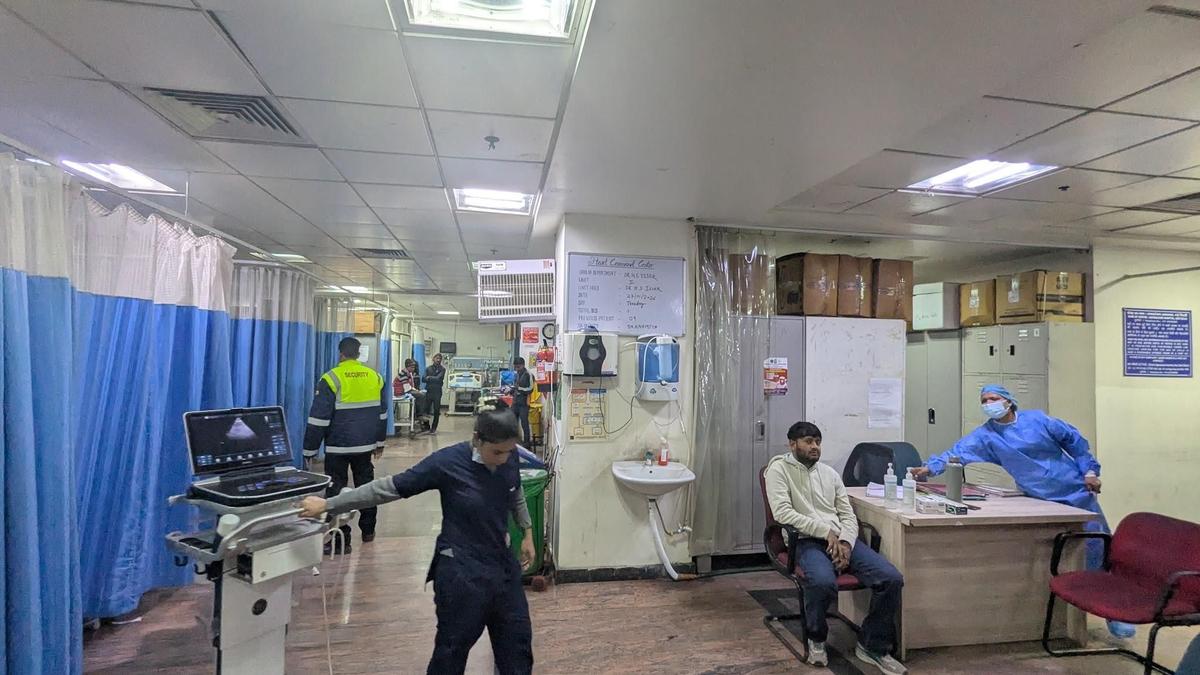
Mon Mar 23 14:46:58 UTC 2026: ### India’s Heart Health Crisis: A Race Against Time Amidst Systemic Failures
The Story:
A report published in The Hindu on March 23, 2026, highlights the critical gaps in India’s healthcare system that lead to delayed treatment for heart disease, the leading cause of death in the country. The article presents two case studies – a farmer from Uttarakhand and a retired teacher from Mumbai – illustrating the challenges faced by patients in both rural and urban areas in accessing timely cardiac care. The report underscores the urgent need for improved infrastructure, increased awareness, and affordable treatment options to combat the rising burden of heart disease in India.
Key Points:
* Heart disease accounts for 28.6 lakh deaths in India, according to the Global Burden of Disease, 2021.
* Nearly 27% of all deaths in India are due to heart disease, with 62% of cardiovascular disease deaths occurring prematurely between the ages of 40 and 69 years.
* India’s estimated economic loss due to CVD between 2012 and 2030 is approximately $2.17 trillion.
* The ideal time for a heart attack patient to get an ECG and have it interpreted is within 10 minutes of contacting a medical team, a standard rarely met in India.
* ECGs are often unavailable at Primary Health Centres (PHCs), the first point of contact for rural patients.
* Even in cities, access to cardiologists and cath labs is limited, with most facilities concentrated in developed states and the private sector.
* Lack of awareness, logistical challenges, and unaffordability are major factors contributing to delays in treatment.
* The Ayushman Bharat Pradhan Mantri Jan Arogya Yojana (AB-PM JAY) has improved access to heart procedures, but faces challenges related to over-reliance on the private sector and denial of coverage.
* Waiting periods for cardiac procedures in public hospitals can be weeks or months long, with some surgeries at AIIMS Delhi having a waiting period of up to two years.
Key Takeaways:
* India faces a severe crisis in heart health due to systemic failures in timely diagnosis and treatment.
* Disparities in access to healthcare between rural and urban areas, and between public and private sectors, exacerbate the problem.
* Increased awareness, improved infrastructure, affordable treatment options, and effective implementation of health insurance schemes are crucial to address the rising burden of heart disease.
* The “time is muscle” principle highlights the urgency of prompt intervention in cardiac emergencies.
* Tele-ECG and hub-and-spoke models can help reduce delays in treatment for heart patients, especially in rural areas.
 First Piper