
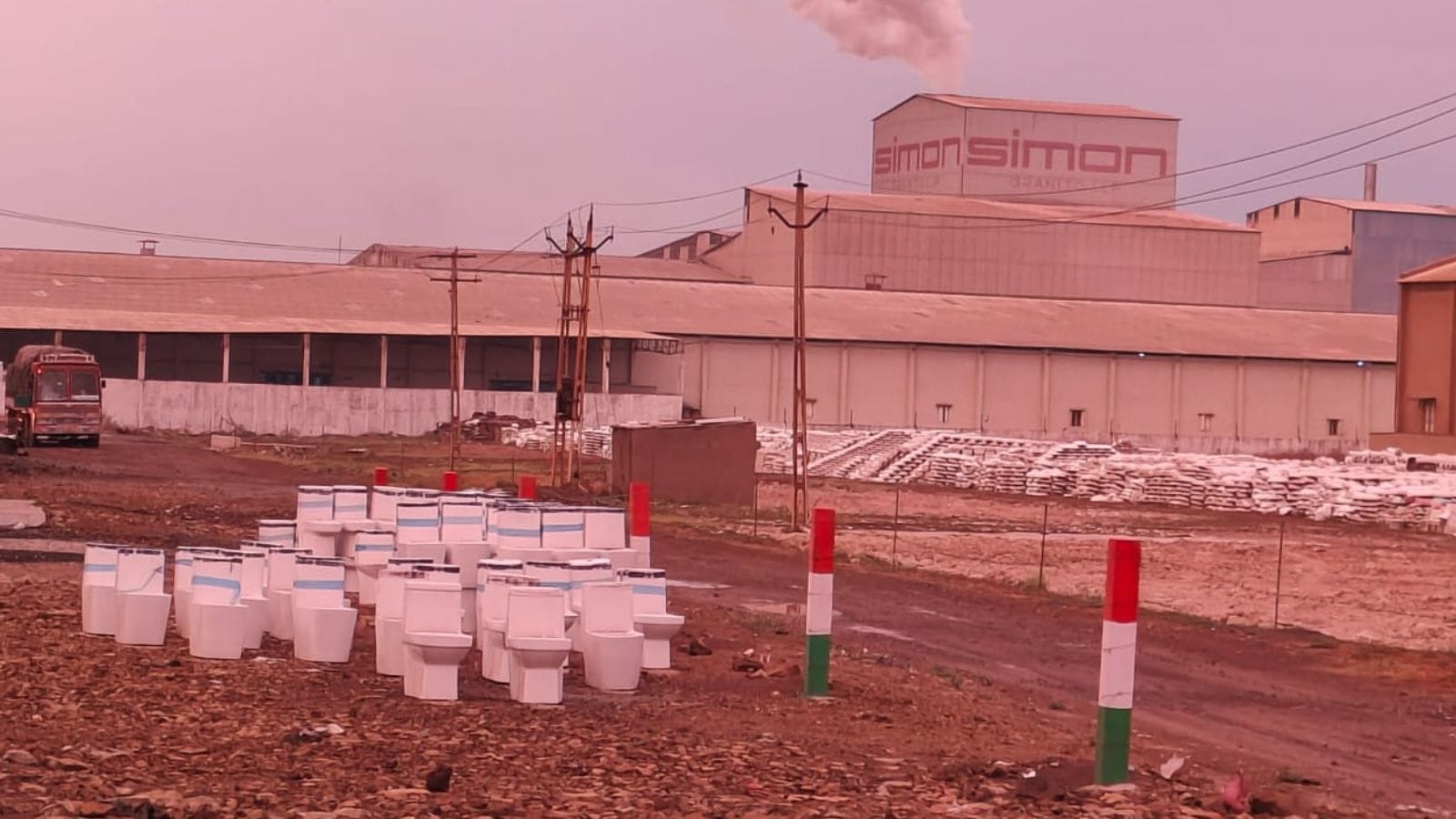
Mon Mar 23 02:15:11 UTC 2026: ### Morbi’s Ceramic Industry Crippled by West Asia Conflict Fuel Shortage
The Story:
Morbi’s ceramic industry, responsible for nearly 90% of India’s ₹75,000 crore market, is facing a near shutdown due to fuel shortages stemming from the ongoing conflict in West Asia. Tile manufacturing units, reliant on Propane-LPG, have largely ceased operations after Iran’s blockade of the Strait of Hormuz disrupted energy supplies. Sanitaryware units, using natural gas, are also facing curtailed supplies, threatening further disruption. The crisis has forced migrant workers to return home, impacting the local economy and raising concerns about job security.
Key Points:
- Morbi’s tile factories, powered by Propane-LPG, have largely shut down due to supply disruptions caused by the West Asia conflict that started on February 28, 2026.
- Sanitaryware units, relying on natural gas supplied by Gujarat Gas Ltd., are operating at 80% capacity but face potential closure by March 24, 2026, due to government regulations.
- The Morbi Ceramics Manufacturers Association (MCMA) declared a general suspension of production on March 17, 2026, after failing to secure relief on natural gas supply restrictions.
- Approximately 6 lakh workers in the ceramics and allied industries are affected, with many migrant workers returning to their home states.
- The industry is divided on long-term solutions, with some advocating for a return to coal gasifiers and others pushing for renewable energy sources and strategic gas reserves.
Critical Analysis:
The historical context highlights the direct link between the West Asia conflict and the economic distress in Morbi. PM Modi’s statements in Lok Sabha regarding the “worrisome” situation and efforts to minimize the crisis’ impact directly precede the shutdown of Morbi’s ceramic factories. The chronological order of events — the conflict, the supply disruptions, the government’s prioritization of household LPG, and the subsequent factory closures — demonstrates a clear cause-and-effect relationship. The historical data underscores the vulnerability of India’s economy, particularly its energy-intensive industries, to geopolitical instability in the Middle East.
Key Takeaways:
- The Morbi ceramic industry is heavily reliant on imported fuels, making it susceptible to global supply chain disruptions.
- Geopolitical conflicts, such as the West Asia crisis, can have immediate and significant economic consequences for specific sectors in India.
- The Indian government is actively addressing the economic impact of the West Asia conflict, but current measures are insufficient to prevent widespread disruption.
- The industry needs to diversify its energy sources and increase strategic gas reserves to mitigate future risks.
- The crisis highlights the need for a comprehensive energy security strategy that includes renewable energy options and domestic resource development.
Impact Analysis:
The shutdown of the Morbi ceramic industry will have cascading effects on the Indian economy:
- Reduced Exports: India’s ceramic exports will likely decline significantly, impacting the trade balance.
- Job Losses: The return of migrant workers indicates potential job losses and economic hardship for vulnerable populations.
- Increased Prices: Supply shortages may lead to increased prices for ceramic products in the domestic market.
- Investment Uncertainty: The crisis may deter future investments in the Morbi ceramic industry and related sectors.
- Policy Shift: This event might trigger a policy review regarding energy security and diversification strategies for key industries.
 First Piper