
Mon Mar 23 12:59:43 UTC 2026: # Erode West Constituency Faces Development Hurdles Amidst Looming Elections
The Story:
The Erode (West) Assembly constituency, home to approximately 2.45 lakh voters, grapples with a complex interplay of agricultural dependence, industrial significance, and rapid urban expansion. This has created a host of civic and developmental challenges for its residents. Key concerns include irregular drinking water supply, inadequate infrastructure to support urbanization, environmental pollution from textile processing units, and challenges within the power loom sector. With the 2026 Assembly Elections approaching, voters are demanding focused and sustained development.
Key Points:
- Erode (West) has the largest voter base in the district, with around 2.45 lakh electors.
- The constituency blends agriculture, textile processing, and power loom units, creating a mix of urban and rural landscapes.
- Irregular drinking water supply is a major concern, affecting both residents and agriculture.
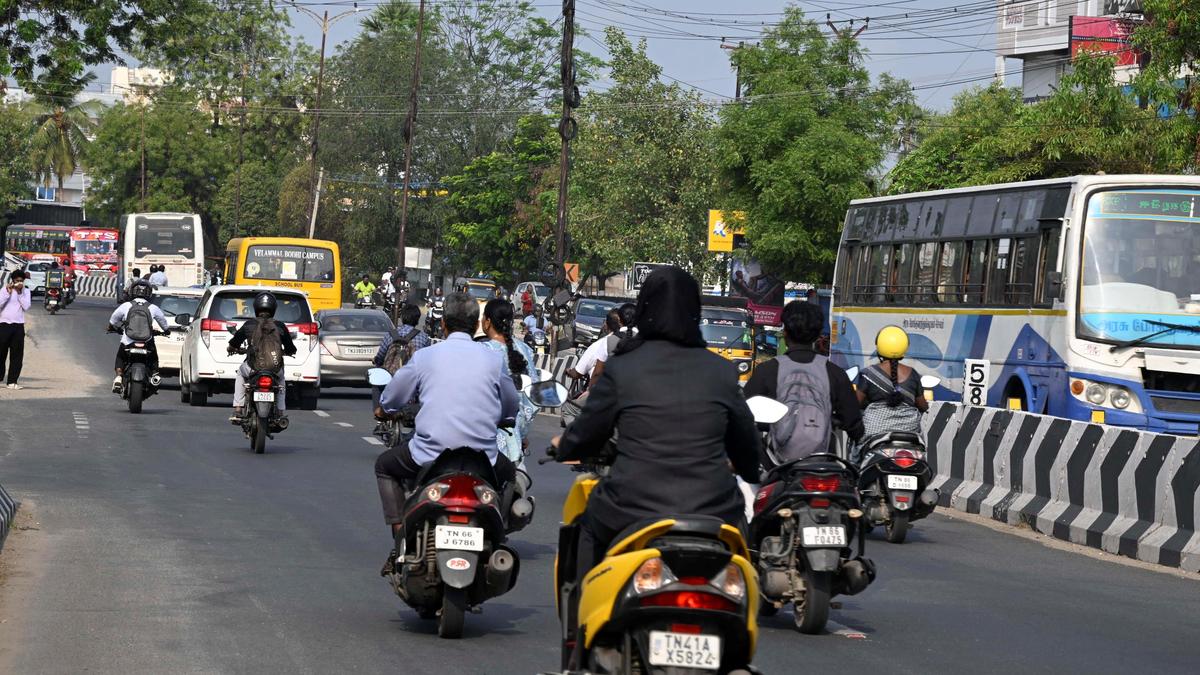
- The 5.4-km elevated corridor from Kalingarayan Illam to Thindal on Perundurai Road, announced in 2019, remains unimplemented, causing traffic congestion.
- Untreated effluents from textile processing units are polluting water bodies.
- The power loom sector faces challenges due to rising yarn prices, leading to job losses.
- Public transport connectivity is inadequate, particularly for daily commuters.
- Solid waste management and stray dog menace are growing concerns.
- The AIADMK’s K.V. Ramalingam represented the seat in 2011 and 2016, while the DMK’s S. Muthusamy won in 2021.
Critical Analysis:
The article highlights a common scenario in rapidly developing regions of India: the strain on infrastructure and resources caused by urbanization outpacing planned development. The blame game between the AIADMK and DMK regarding the delayed elevated corridor exemplifies the political hurdles that often obstruct progress on crucial infrastructure projects. The environmental issues stemming from the textile industry are a recurring problem in many industrial hubs, indicating a lack of effective enforcement of environmental regulations.
Key Takeaways:
- Erode (West) faces a multifaceted development challenge due to its mixed urban-rural character and industrial activity.
- Infrastructure projects are often delayed due to political disputes and logistical challenges like land acquisition.
- Environmental pollution from industries remains a significant concern despite repeated complaints.
- Voters are prioritizing improved infrastructure, reliable water supply, and better public transport.
- The constituency’s political dynamics will likely play a key role in addressing these long-standing issues.
Impact Analysis:
The issues highlighted in the article, if left unaddressed, could have long-term consequences for Erode (West). Continued water scarcity could lead to agricultural decline and economic hardship. Unplanned urbanization could exacerbate traffic congestion and sanitation problems, affecting public health and quality of life. The challenges in the power loom sector could lead to further job losses and economic instability. The outcome of the 2026 elections will significantly influence the direction of development in the constituency and the extent to which these challenges are addressed.
 First Piper