
Mon Mar 23 08:09:38 UTC 2026: ### Iran Conflict Cripples Indian Ceramic Exports, Manufacturers Face Existential Crisis
The Story:
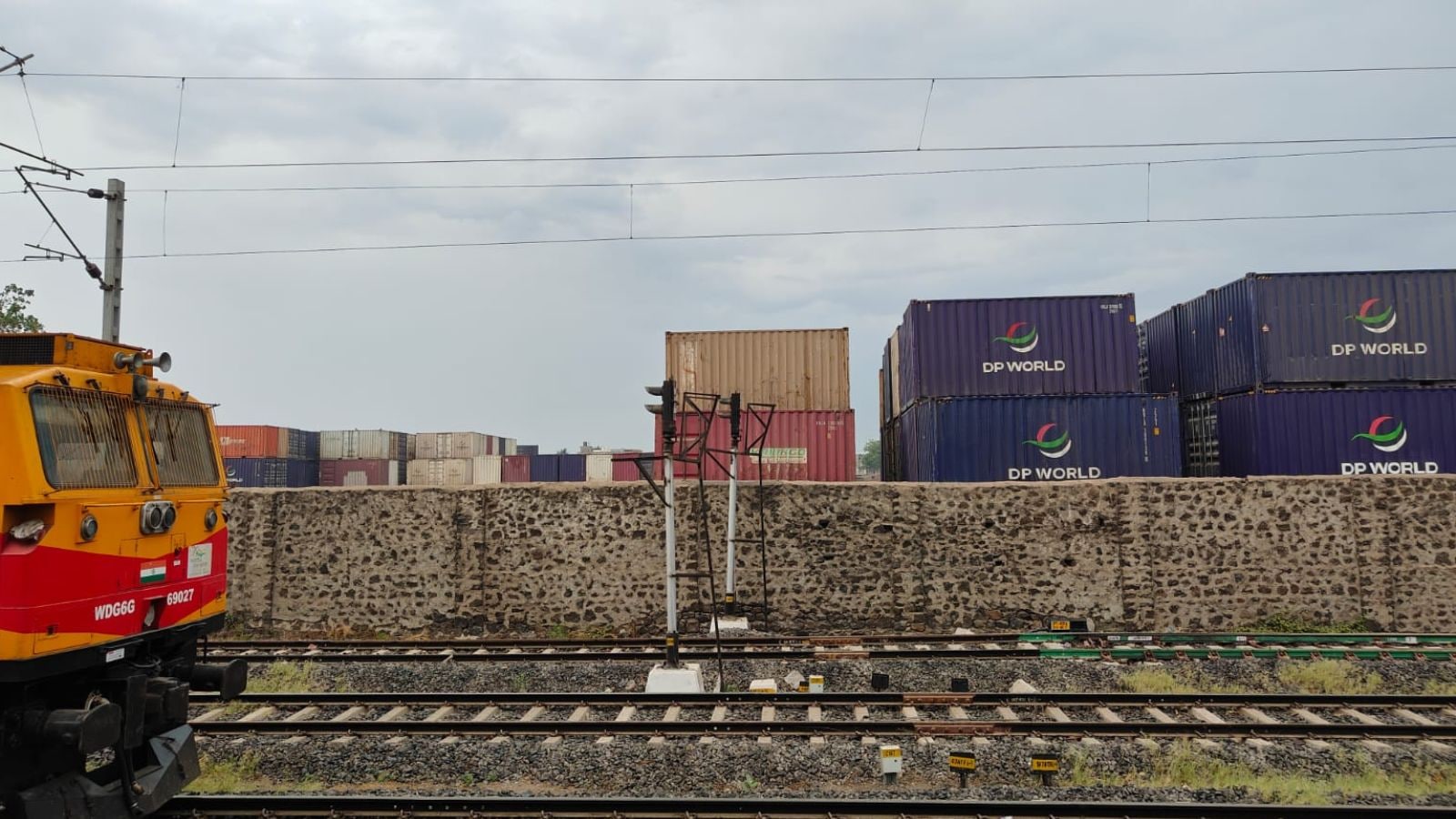
Indian ceramic exporters in Morbi, Gujarat, are facing severe financial losses and operational disruptions due to the ongoing conflict involving Iran, which began at the end of February 2026. The crisis has resulted in increased shipping costs, war risk surcharges, port congestion, and fuel shortages, threatening the viability of the region’s extensive ceramic industry. Manufacturers are appealing to the Union government for relief as they grapple with factory shutdowns and mounting financial burdens.
Key Points:
* 323 shipping containers of ceramics worth Rs 18.15 crore were loaded just before the conflict.
* Exporters incurred losses of Rs 70,000 per container for 90 containers already in Indian ports, totaling Rs 63 lakh.
* War risk surcharges of USD 1,500-USD 2,000 per container are being imposed, potentially adding Rs 2.80-Rs 3 crore in losses.
* A missile attack at Jebel Ali Port in the UAE resulted in detention charges of AED 30,000 (Rs 7.59 lakh) for stranded containers.
* The industry is also facing a propane shortage, leading to the shutdown of 540 tile units, with 110 sanitaryware units facing potential closure.
* India’s ceramic exports to West Asia and North-East Africa totaled Rs 5,518.64 crore between March 2025 and February 2026.
Critical Analysis:
The situation highlights the vulnerability of industries heavily reliant on international trade routes and fuel supplies to geopolitical instability. The ceramic industry’s dependence on the Strait of Hormuz for propane imports has made it exceptionally susceptible to disruptions caused by the Iran conflict. The historical context of rising treasury yields and a risk-off mood in global markets, combined with investor concerns about a prolonged Iran war, further exacerbates the economic challenges faced by these exporters.
Key Takeaways:
* Geopolitical conflicts can have immediate and devastating consequences for export-oriented industries.
* Reliance on single trade routes and fuel sources creates significant vulnerabilities.
* War risk surcharges disproportionately burden exporters and consumers.
* Government intervention and support are crucial to mitigate the impact of such crises.
* The industry’s shift to propane due to previous natural gas shortages has inadvertently amplified its current predicament.
Impact Analysis:
The crisis in Morbi’s ceramic industry has significant long-term implications:
* Economic Impact: Job losses, reduced export revenue, and potential bankruptcies for ceramic manufacturers.
* Supply Chain Disruption: Impacts the availability and pricing of ceramic products in international markets.
* Policy Implications: Calls for diversification of fuel sources and trade routes to reduce vulnerability to future geopolitical events.
* Geopolitical Strategy: Highlights the need for diplomatic efforts to stabilize the region and ensure the free flow of trade.
* Risk Management: Businesses need to reassess risk management strategies to account for geopolitical risks and supply chain vulnerabilities.
 First Piper