
Mon Mar 23 08:05:29 UTC 2026: # Hudsonian Godwit Population Plummets, International Protection Sought Amidst Environmental Changes
The Story:
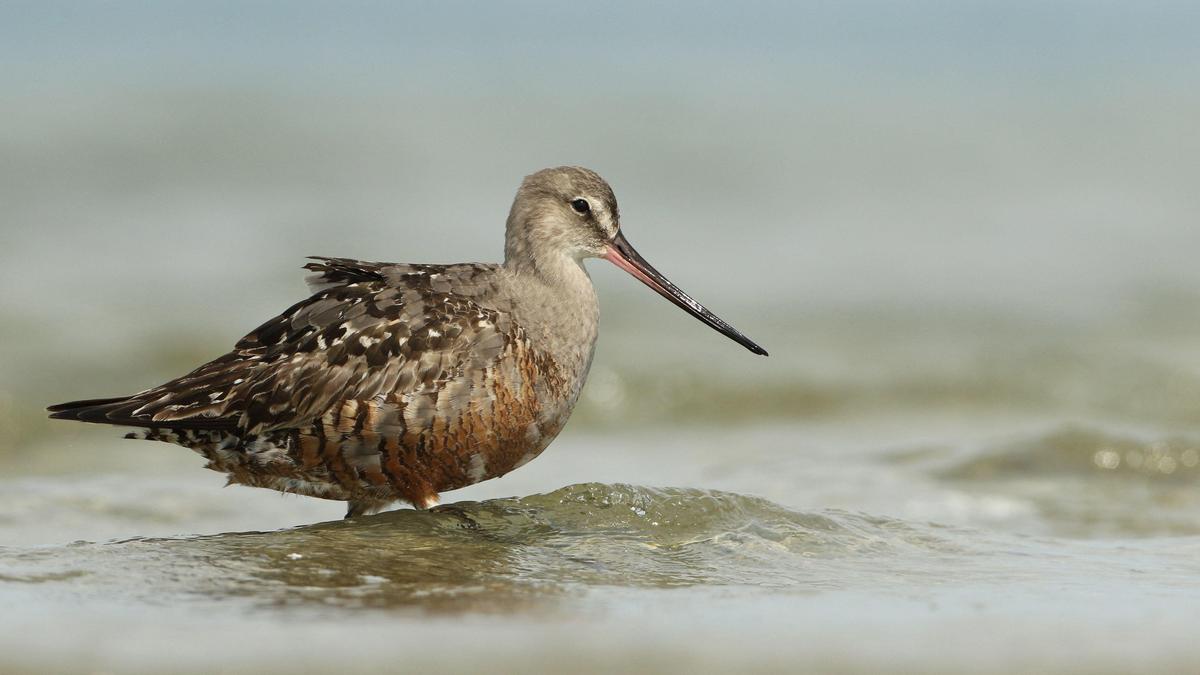
The Hudsonian godwit, a shorebird known for its extensive annual migration from the Arctic to South America, has experienced a 95% population decline in the last four decades. This dramatic decrease is attributed to a complex interplay of environmental changes impacting the bird across multiple countries. As a result, the species is among 42 proposed for international protection at the UN Convention on the Conservation of Migratory Species (CMS) meeting in Brazil starting on March 23, 2026.
The godwit’s plight highlights the broader challenges facing migratory species due to climate change, habitat loss, and altered food resources along their migratory routes. Scientists are working to understand the factors contributing to the bird’s declining population and the disruptions to its migration patterns.
Key Points:
- The Hudsonian godwit’s population has decreased by 95% in 40 years.
- The species undertakes a 30,000 km annual migration from the Arctic to Patagonia.
- Climate change is causing a mismatch between chick hatching and insect availability in the Arctic.
- Salmon and oyster farming in southern Chile are impacting the godwit’s feeding grounds.
- Changes in farming practices in the U.S. are reducing the availability of shallow water wetlands.
- The Hudsonian Godwit is one of 42 species proposed for protection at the CMS meeting in Brazil on March 23, 2026.
Key Takeaways:
- Migratory species are increasingly vulnerable to environmental changes across multiple geographic locations.
- Climate change is disrupting crucial ecological timings and food availability for migratory birds.
- Habitat loss and human activities, such as farming and aquaculture, are negatively impacting critical stopover sites for migratory birds.
- International cooperation is essential for the conservation of migratory species that cross national borders.
- The CMS meeting in Brazil represents a crucial opportunity to address the threats facing migratory species through legally binding protections.
Impact Analysis:
The decline of the Hudsonian godwit and other migratory species signals a broader crisis in biodiversity and ecosystem health. The success of the CMS meeting in Brazil will have significant long-term implications for the conservation of migratory species and the preservation of the ecosystems they rely on. The implementation of effective conservation measures, including habitat restoration, climate change mitigation, and sustainable farming practices, is crucial to reversing the decline of these iconic species and safeguarding their future.
 First Piper