
Mon Mar 23 05:37:17 UTC 2026: Headline: U.S. Reasserts Presence in Indian Ocean Amidst West Asia Tensions
The Story:
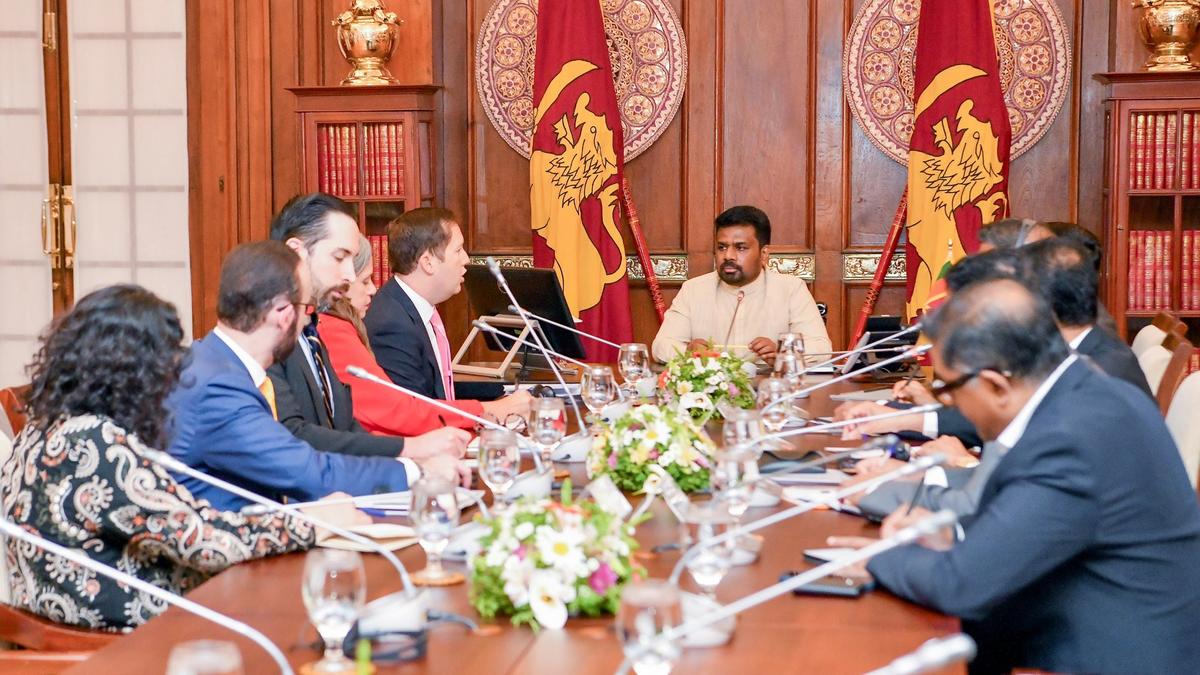
U.S. Ambassador to India and Special Envoy for South and Central Asia, Sergio Gor, recently concluded a visit to Sri Lanka, meeting with President Anura Kumara Dissanayake on March 19, 2026. This visit, framed as a “quiet strategic signal,” is viewed by experts as a reassertion of U.S. presence in the Indian Ocean amidst the ongoing war in West Asia involving the U.S., Israel, and Iran. The visit comes in the wake of escalating tensions, including the bombing of the Iranian ship IRIS Dena by a U.S. submarine near Sri Lankan waters and Iranian strikes toward the U.S.-United Kingdom’s Diego Garcia base.
India is closely monitoring the situation, especially given the Modi government’s prior reservations about the U.S. appointing a Special Envoy with a broad mandate for the region. While no agreements were announced during the visit, Gor‘s itinerary included visits to naval facilities and the Colombo Port, underscoring the importance of maritime security.
Key Points:
- Sergio Gor, U.S. Ambassador to India and Special Envoy for South and Central Asia, visited Sri Lanka on March 19, 2026.
- The visit is interpreted as a “quiet strategic signal” of U.S. re-engagement in the Indian Ocean amidst West Asia tensions.
- Gor met with Sri Lankan President Anura Kumara Dissanayake, who briefed him on the Middle East conflict and its challenges for Sri Lanka.
- The visit occurred shortly after the Iranian ship IRIS Dena was torpedoed by a U.S. submarine near Sri Lankan waters, and Sri Lanka refused U.S. warplanes landing permission.
- India is observing the visit closely, mindful of past concerns regarding a broad U.S. mandate in the region.
Critical Analysis:
The visit is happening due to the intersection of two major geopolitical events: (1) The ongoing U.S.-Israel war with Iran and (2) the strategic importance of the Indian Ocean region. The U.S. seeks to reassure its allies and signal its continued commitment to maritime security in the face of Iranian actions. Sri Lanka, while maintaining a neutral stance, is a key player in the region due to its location and control over strategic ports. India’s cautious monitoring stems from a historical distrust of broad U.S. intervention in its immediate neighborhood.
Key Takeaways:
- The U.S. is actively seeking to reassert its influence in the Indian Ocean region.
- The West Asia conflict is increasingly impacting South Asian geopolitics.
- Sri Lanka is attempting to balance its relationships with major global powers.
- India remains wary of direct U.S. involvement in its sphere of influence.
- Maritime security is a growing concern in the region due to escalating tensions.
Impact Analysis:
This event series has significant long-term implications. The U.S.’s renewed focus on the Indian Ocean suggests a potential increase in military presence and diplomatic activity in the region. This could lead to:
- Increased competition: Greater power rivalry between the U.S., China, and potentially Iran in the Indian Ocean.
- Regional instability: Heightened tensions between India and the U.S. if India perceives the U.S. as overstepping its boundaries.
- Infrastructure development: Potential for increased investment in maritime infrastructure in countries like Sri Lanka, driven by strategic competition.
- Shifting alliances: Regional countries may be forced to make difficult choices about aligning with major powers, impacting regional stability
 First Piper