
Mon Mar 23 09:24:03 UTC 2026: ### Iran War Cripples Gujarat Ceramic Industry, Exporters Face Mounting Losses
The Story:
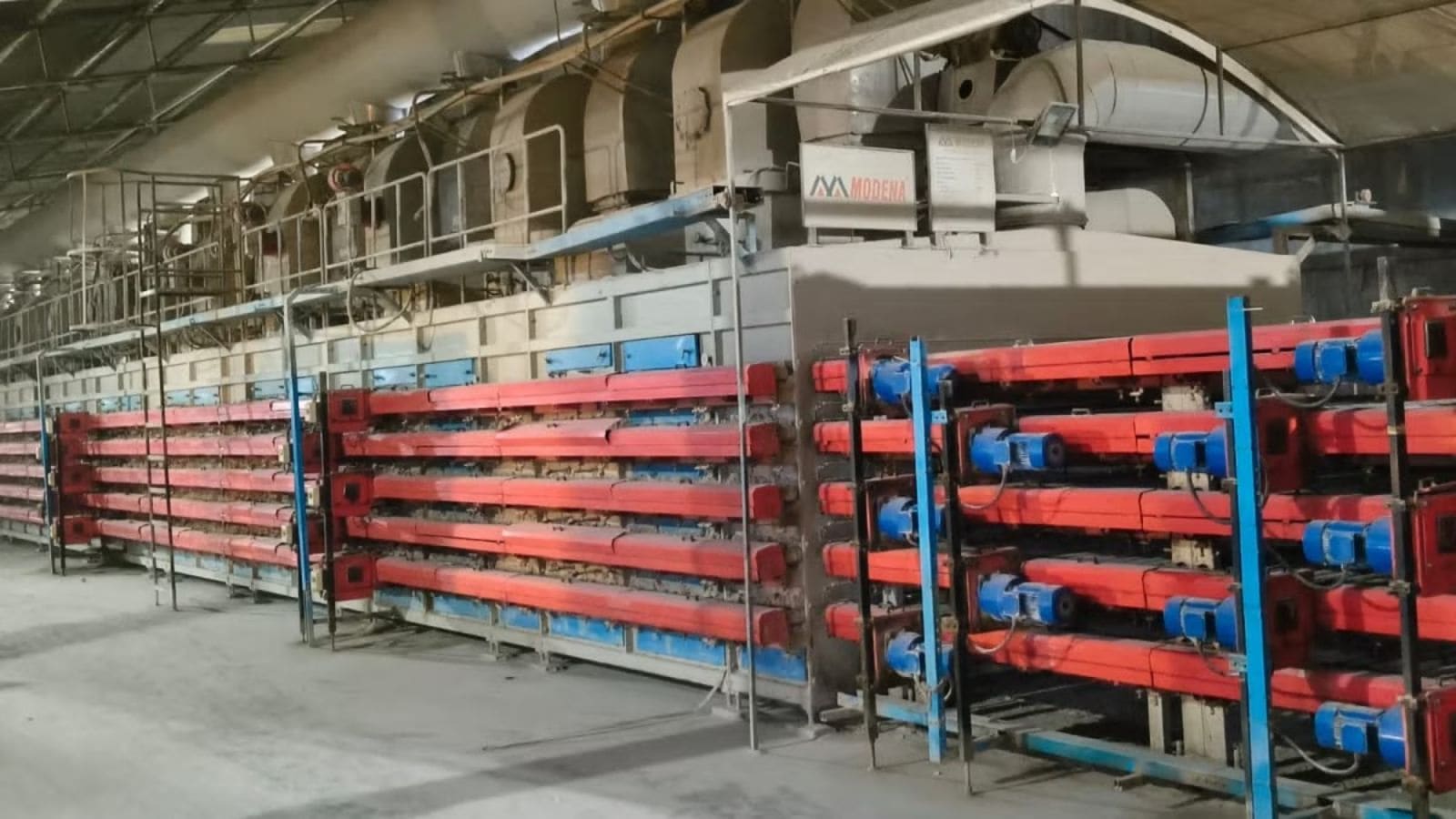
A perfect storm of geopolitical tensions and energy shortages is devastating Gujarat’s ceramic industry. Following the outbreak of war on Iran in late February 2026, ceramic exporters in Morbi are facing significant losses due to war risk surcharges, shipping disruptions, and factory shutdowns caused by gas shortages. Shipping containers loaded with ceramics worth Rs 18.15 crore are stranded or rerouted, leading to detention charges and uncertainty.
The crisis is compounded by the existing propane shortage, which was triggered by the Russia-Ukraine war in 2022, and further exacerbated by the Strait of Hormuz blockade. With factories shutting down and exporters facing mounting costs, the industry is appealing to the Union government for relief.
Key Points:
- 323 shipping containers of ceramics worth Rs 18.15 crore are affected by the Iran war.
- Exporters face losses of Rs 70,000 per container for those returned from Indian ports, totaling Rs 63 lakh.
- War risk surcharges of USD 1,500 to USD 2,000 per container are being imposed on shipments in transit, potentially costing exporters Rs 2.80 crore to Rs 3 crore.
- The industry has urged the Director General of Shipping in India to address the “disproportionate” war risk surcharges.
- A missile attack near Jebel Ali Port resulted in detention charges of AED 30,000 (Rs 7.59 lakh) for stranded containers.
- The industry was already struggling with a propane shortage due to the Russia-Ukraine war.
- Almost all of the 540 tile units have shut down due to fuel prices spiking after the Strait of Hormuz blockade by Iran.
- Indian ceramic export to 21 countries in West Asia and North-East Africa between March 2025 and February 2026 stood at USD 641.7 million or Rs 5,518.64 crore.
Critical Analysis:
The events described in the article highlight the vulnerability of the Indian ceramic industry to geopolitical instability and energy market fluctuations. The previous news snippets, such as the ‘Energy crunch worse than 1970s oil crises and Ukraine war combined’ and ‘LPG supply crunch hit restaurants threatening closures’ indicate that this crisis is not isolated, but symptomatic of a broader energy crisis exacerbated by the Iran war. Moreover, the initial shift to propane following the Russia-Ukraine war has now become a liability, demonstrating a lack of long-term planning and diversification in energy sources.
Key Takeaways:
- Geopolitical conflicts have a direct and significant impact on industries reliant on international trade and energy supplies.
- The ceramic industry’s dependence on a single fuel source (propane) made it vulnerable to supply chain disruptions.
- War risk surcharges can disproportionately burden exporters, especially small and medium-sized enterprises.
- Government intervention and support are crucial in mitigating the impact of such crises on affected industries.
- Diversification of energy sources and robust risk management strategies are essential for long-term sustainability.
Impact Analysis:
The crisis in Gujarat’s ceramic industry could have far-reaching economic consequences. The shutdown of factories will lead to job losses and reduced export earnings. The increased costs for exporters will make Indian ceramics less competitive in the global market. This could also lead to a decline in overall economic activity in the region. In the long term, this event may force the industry to rethink its reliance on specific regions and energy sources, prompting investments in alternative fuels and diversified
 First Piper