
Sat Mar 21 11:45:11 UTC 2026: ### Punjab Government Treads Carefully on DGP Appointment Amidst UPSC Standoff
The Story:
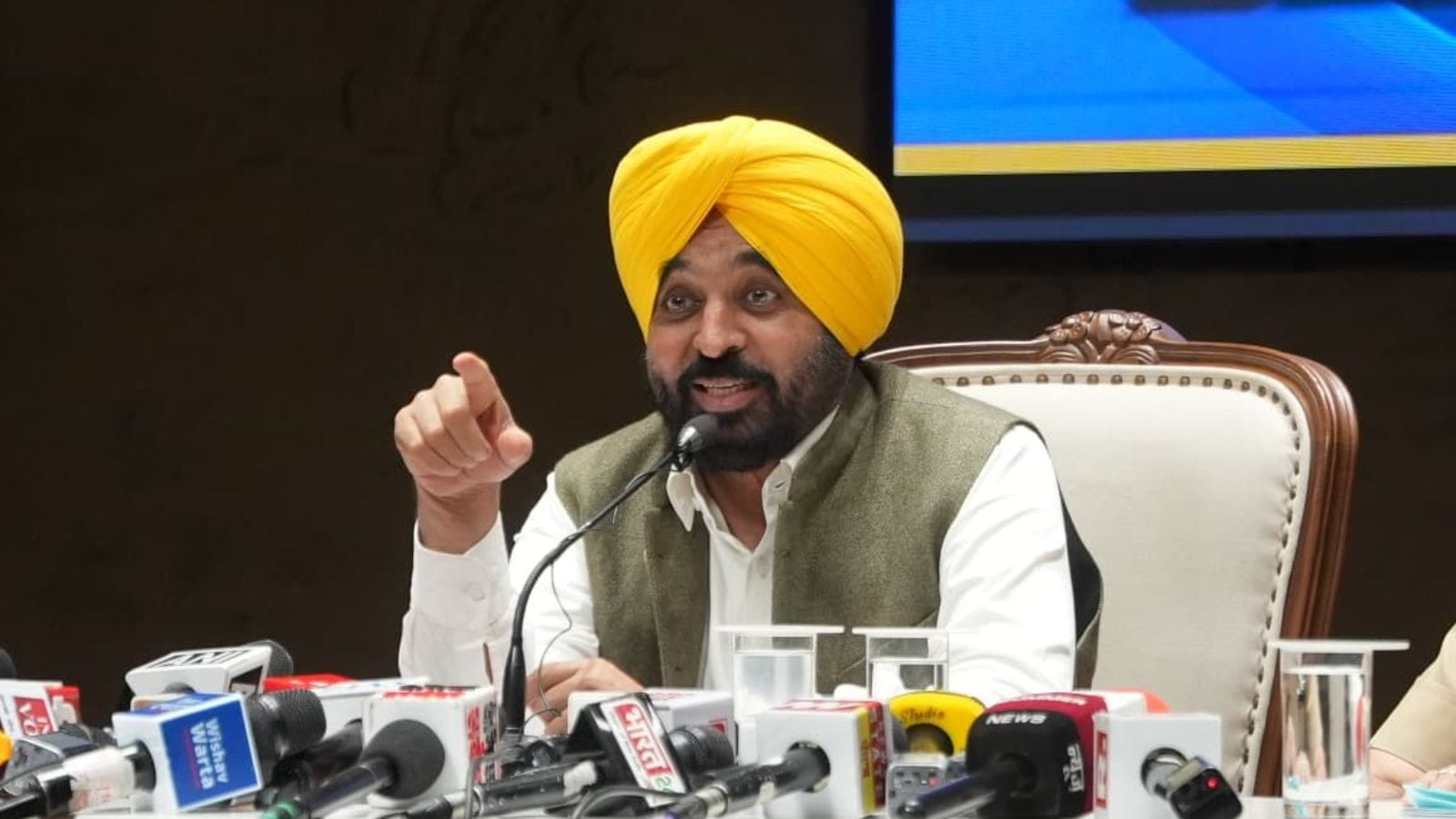
Punjab Chief Minister Bhagwant Mann stated on Saturday, March 22, 2026, that his government will “follow rules” in sending a panel of IPS officers to the Union Public Service Commission (UPSC) for the appointment of a Director General of Police (DGP). This announcement comes after the state government missed the February 28, 2026, deadline set by the UPSC, prompting speculation and raising questions about the state’s intent, especially given a pending bill authorizing the state to appoint its own DGP. The UPSC’s insistence on compliance with Supreme Court directives regarding regular DGP appointments has put pressure on the Punjab government.
Key Points:
- The Punjab government missed the February 28, 2026, deadline to send a panel of IPS officers to the UPSC for DGP appointment.
- Chief Minister Bhagwant Mann assured that the government is in the process of sending the panel and will adhere to rules.
- The state Vidhan Sabha passed the Punjab Police Amendment Bill-2023, which is currently awaiting the President’s assent. This bill would allow the state to appoint its own DGP through a specially constituted committee.
- The UPSC’s demand for a panel of eligible officers stems from a Supreme Court order disapproving of acting DGP arrangements.
- Gaurav Yadav, a 1992-batch IPS officer, has been serving as officiating DGP since July 5, 2022, exceeding the permissible six-month period. He was not among the senior-most officers when appointed.
Critical Analysis:
The Punjab government’s delay and subsequent assurance reflect a complex interplay between state autonomy and central oversight. The state’s attempt to bypass the UPSC through the Punjab Police Amendment Bill-2023 suggests a desire for greater control over law enforcement appointments. However, the UPSC’s insistence on adhering to Supreme Court directives, coupled with past instances of the state ignoring central communications, indicates a power struggle. The appointment of Gaurav Yadav as officiating DGP, superseding several senior officers, further complicates the situation, suggesting potential political considerations influencing the decision-making process.
Key Takeaways:
- The Punjab government is facing pressure from the UPSC to comply with established procedures for DGP appointments.
- The state’s attempt to assert autonomy through the Punjab Police Amendment Bill-2023 is creating friction with the central government.
- The extended tenure of the officiating DGP, Gaurav Yadav, raises questions about adherence to norms and potential political influence.
- The government’s actions are likely influenced by a desire to control law enforcement appointments and assert state autonomy.
- The resolution of this issue hinges on the President’s assent to the Punjab Police Amendment Bill-2023 and the state’s willingness to cooperate with the UPSC.
Impact Analysis:
The outcome of this standoff has significant implications for the future of policing in Punjab and the balance of power between state and central governments. If the President withholds assent to the bill, Punjab will be compelled to follow the UPSC’s recommendations, potentially leading to the appointment of a DGP not favored by the current administration. Conversely, if the bill is approved, it could set a precedent for other states seeking greater autonomy in law enforcement matters. The extended tenure of the acting DGP could face legal challenges, further destabilizing the leadership of the Punjab Police. This situation underscores the ongoing tension between cooperative federalism and state autonomy in India.
 First Piper