
Sun Mar 22 01:36:50 UTC 2026: # Israel Launches Ground Offensive in Lebanon Amid Escalating Regional Conflict
The Story:
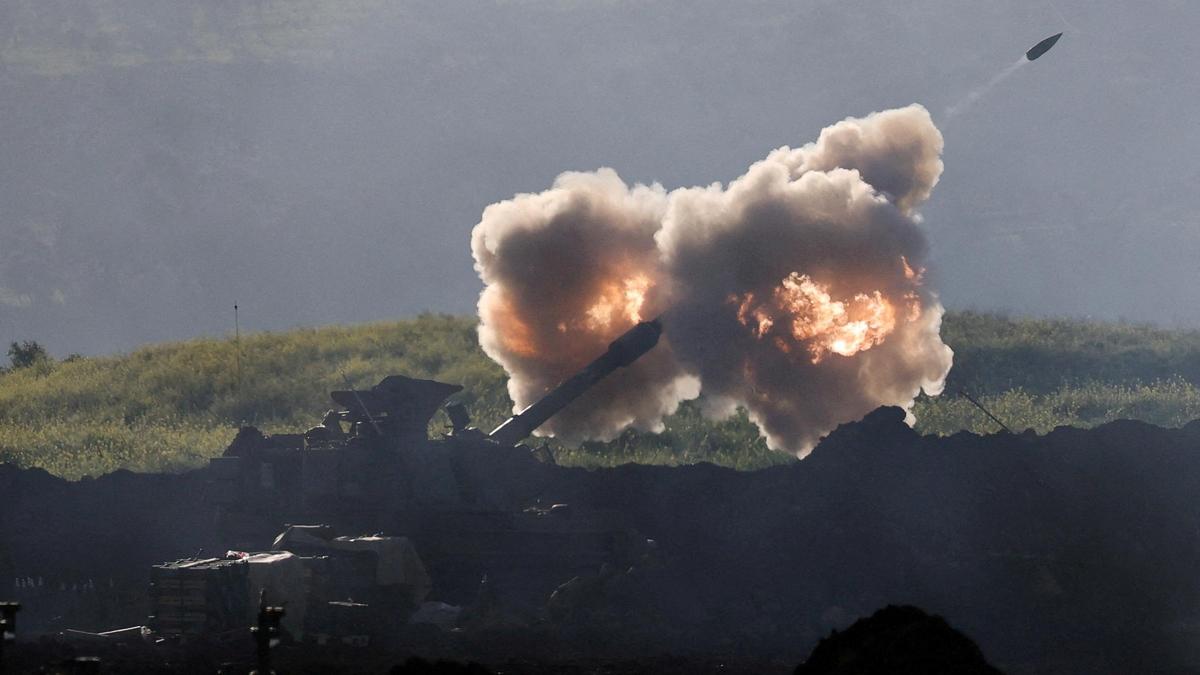
On March 16, 2026, Israel initiated a ground offensive in Lebanon against Hezbollah, accompanied by extensive air strikes in southern Lebanon and the southern outskirts of Beirut. This action comes as the U.S.-Israeli conflict with Iran enters its fourth week. The air strikes have reportedly resulted in at least 1,000 deaths and displaced approximately one million people. The ground offensive is focused on hilltop towns in southern Lebanon, encountering strong resistance from Hezbollah fighters.
This escalation follows a shaky ceasefire agreement reached in November 2024 after a month-long Israeli campaign to weaken Hezbollah. Tensions have been simmering since Hamas’s attack on October 7, 2023, and subsequent Israeli responses, including the assassination of Hezbollah Secretary-General Hassan Nasrallah in September 2024, have fueled the conflict. The recent killing of Iran’s Supreme Leader Ayatollah Ali Khamenei in February 2026 by a joint Israeli-American air strike triggered a massive rocket barrage from Hezbollah, prompting the current ground offensive.
Key Points:
- Israel launched a ground offensive in Lebanon on March 16, 2026, targeting Hezbollah.
- Extensive air strikes have caused significant casualties and displacement: at least 1,000 deaths and 1 million displaced.
- The offensive follows the assassination of Ayatollah Ali Khamenei in February 2026 and subsequent Hezbollah rocket attacks.
- A ceasefire between Israel and Hezbollah, agreed to in November 2024, had been largely ineffective.
- The conflict is unfolding against the backdrop of a broader U.S.-Israeli war on Iran.
- Israel aims to dismantle Hezbollah’s military capabilities and create a buffer zone in southern Lebanon.
Critical Analysis:
The current escalation is not an isolated event but the latest chapter in a decades-long conflict between Israel and Hezbollah, deeply intertwined with regional power dynamics. The assassination of key figures, such as Nasrallah and Khamenei, represents a deliberate strategy to disrupt enemy command structures, although it carries the risk of severe retaliation. The involvement of the U.S. further complicates the situation, transforming it into a proxy war with wider implications.
Key Takeaways:
- The conflict between Israel and Hezbollah is deeply rooted in historical grievances and geopolitical tensions.
- The assassination of key leaders is a high-risk strategy that can lead to escalation.
- The involvement of external actors, such as the U.S. and Iran, exacerbates the conflict.
- Civilians are disproportionately affected by the ongoing violence, suffering casualties and displacement.
- The fall of Assad’s government in December further weakened Hezbollah, underscoring the interconnectedness of regional conflicts.
Impact Analysis:
The Israeli ground offensive in Lebanon has the potential for significant long-term consequences.
- Regional Instability: The conflict could further destabilize the region, potentially drawing in other actors and escalating into a wider war. The question of the Houthis joining the conflict is a key factor.
- Humanitarian Crisis: The displacement of a million people could create a major humanitarian crisis, requiring significant international assistance.
- Hezbollah’s Future: While weakened, Hezbollah’s ability to resist and launch attacks demonstrates its resilience. The long-term impact on its military and political strength remains to be seen.
- Israeli Security: Israel’s stated goal of creating a buffer zone raises questions about its long-term intentions in Lebanon and the potential for continued conflict.
- International Relations: The U.S.-Israeli alliance against Iran could strain relations with other
 First Piper