
Sun Mar 22 09:42:14 UTC 2026: ### Headline: LPG Shipment Arrives in India Amidst West Asia Conflict, Panic Booking Declines
The Story:
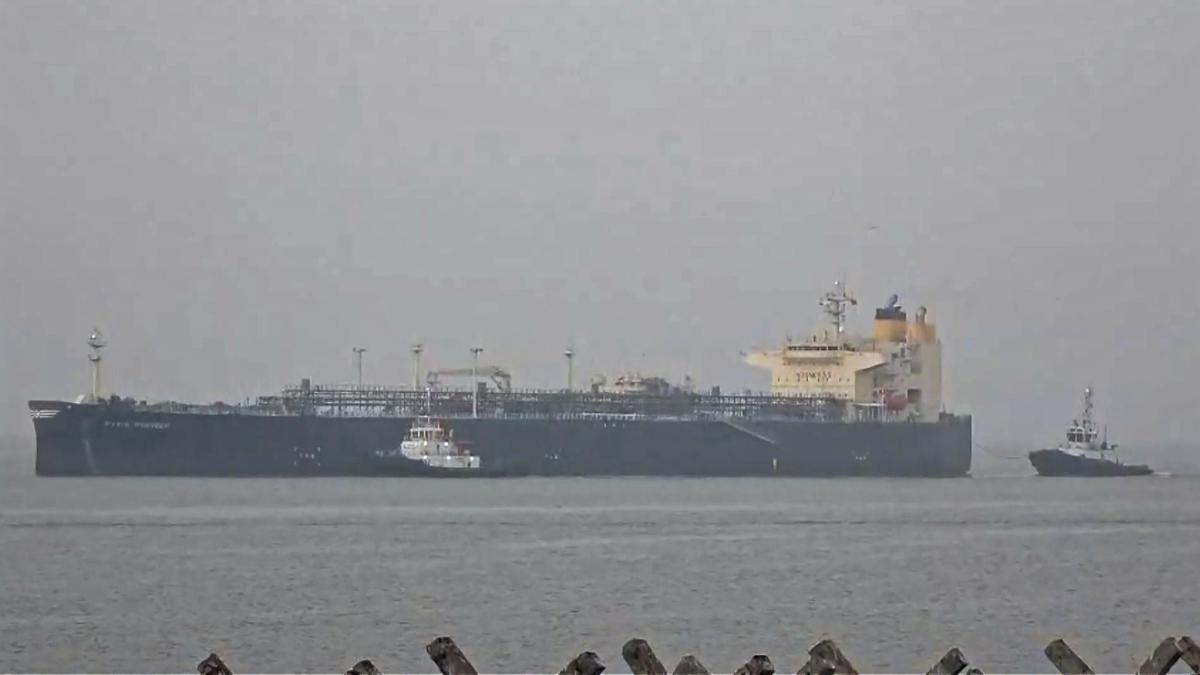
A Singapore-flagged cargo ship, the Pyxis Pioneer, carrying Liquefied Petroleum Gas (LPG) from Port of Nederland, Texas, arrived at the New Mangalore Port on March 22, 2026. This development occurs amidst the ongoing conflict in West Asia, which has disrupted trade routes through the Strait of Hormuz. The Indian government is taking measures to ensure a stable energy supply, including waiving cargo-related charges for crude oil and LPG at New Mangalore Port until March 31, 2026.
The Ministry of Petroleum and Natural Gas reports a significant decline in panic booking of LPG cylinders, with only 55 lakh bookings reported on March 21, 2026. Officials reassure the public that there is no shortage of LPG supply across the country. Earlier in the week, two Indian-flagged LPG carriers safely crossed the Strait of Hormuz, and a crude oil tanker arrived at Adani Ports Mundra.
Key Points:
- The Singapore-flagged cargo ship Pyxis Pioneer arrived at New Mangalore Port with LPG from Texas on March 22, 2026.
- New Mangalore Port is waiving cargo-related charges for crude oil and LPG from March 14 to March 31, 2026.
- All 22 Indian ships and 611 sailors in the Persian Gulf are reported safe.
- Panic booking of LPG cylinders has declined to 55 lakh on March 21, 2026.
- Two Indian-flagged LPG carriers (MT Shivalik and MT Nanda Devi) crossed the Strait of Hormuz on March 13, 2026.
- Indian-flagged crude oil tanker, Jag Laadki, arrived at Adani Ports Mundra on March 18, 2026.
Critical Analysis:
The arrival of the LPG shipment and the measures taken by the Indian government reflect a proactive approach to mitigate the impact of the West Asia conflict on its energy security. The waiver of cargo charges is a direct response to potential disruptions in supply chains, aiming to ensure affordability and availability of essential resources like LPG. The emphasis on the safety of Indian ships and sailors in the Persian Gulf underscores the government’s concern for its citizens and assets in the region. The call between PM Modi and the Iranian President to establish a West Asia security framework also indicates India’s active engagement in de-escalation efforts and its willingness to play a role in stabilizing the region.
Key Takeaways:
- India is actively managing its energy security amidst the West Asia conflict by diversifying import sources and implementing supportive policies.
- The government is closely monitoring the safety of its maritime assets and personnel in the Persian Gulf.
- Public reassurance and transparency are being prioritized to prevent panic and maintain stability in the LPG market.
- India is taking a proactive diplomatic role in the West Asia conflict, seeking to contribute to a regional security framework.
Impact Analysis:
The successful navigation of trade routes and the maintenance of LPG supply demonstrate India’s resilience in the face of geopolitical challenges. This event series highlights the importance of strategic partnerships, diversified supply chains, and proactive government policies in ensuring energy security. The long-term impact includes a strengthened domestic energy market, increased investor confidence, and a greater role for India in regional stability efforts. The focus on energy security may also accelerate India’s transition to alternative energy sources and promote energy efficiency initiatives.
 First Piper