
Sat Mar 21 09:27:03 UTC 2026: ### Middle East Unrest Disrupts Global Oil Supply, US Eases Sanctions on Iran
The Story:
Ongoing conflict in the Middle East is causing significant disruptions to the global crude oil and feedstock supply chain, forcing refineries and petrochemical companies to curtail operations and declare force majeure. Asian steam crackers, heavily reliant on Middle Eastern naphtha, are particularly affected. Despite these disruptions, crude oil prices have remained relatively stable due to the US allowing Iran a “breather” on oil sales. In India, fuel prices have remained largely unchanged, except for LPG, where prices have seen fluctuations. The Indian Ministry of Petroleum and Natural Gas has assured the public that there is no shortage of LPG, and panic buying has eased.
Key Points:
- Middle East unrest is disrupting global crude oil and feedstock supplies.
- Asian steam crackers, dependent on Middle Eastern naphtha, are facing supply issues.
- Brent crude futures held steady at $112 per barrel, and WTI traded around $97-$98.
- US easing sanctions on Iran is preventing a major price spike.
- Indian LPG prices have risen from Rs 853.50 to Rs 912.50 in the last month, with a total increase of Rs 60 in the last 12 months.
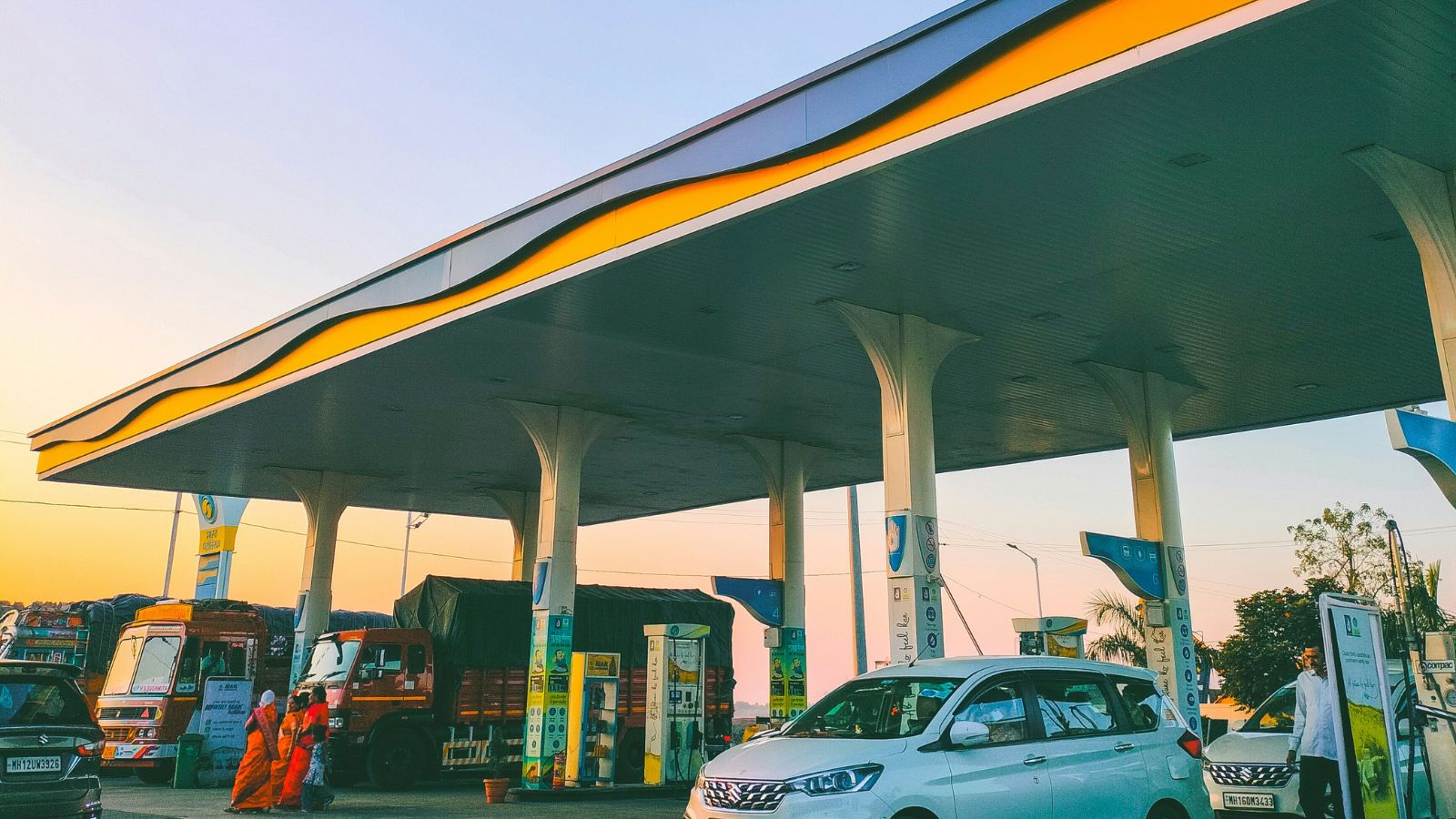
- Petrol prices in India are at Rs 103.54 per litre; diesel at Rs 90.03 per litre.
- CNG prices in India have remained steady at Rs 77 for the past 12 months.
- PNG prices in India have remained steady at Rs 50 since October 2025.
Critical Analysis:
The historical context reveals a rapidly escalating conflict between Iran and Israel, with Saudi Arabia expelling Iranian diplomats and Iran striking areas near Israeli nuclear sites. Trump is threatening to attack Iranian power plants. This context explains the unrest in the Middle East that is disrupting the global oil supply. The US easing sanctions on Iran is likely a strategic move to prevent a catastrophic spike in oil prices amidst the escalating conflict, potentially mitigating some of the economic fallout from the disruptions.
Key Takeaways:
- The Middle East conflict is directly impacting global energy markets, particularly those dependent on Middle Eastern resources.
- US foreign policy decisions, specifically regarding Iran, are being used as a tool to manage global oil prices during the crisis.
- India’s domestic fuel prices are showing mixed trends, with LPG experiencing fluctuations while CNG and PNG remain stable.
- Government intervention in India, through assurances of adequate LPG supply, is aimed at calming consumer anxiety.
- The situation remains volatile and further escalation in the Middle East could lead to more significant price fluctuations.
Impact Analysis:
The ongoing conflict and its impact on global energy markets have several long-term implications:
- Geopolitical Realignment: The conflict may lead to a realignment of geopolitical alliances in the Middle East and beyond.
- Energy Security Concerns: Countries heavily reliant on Middle Eastern oil and gas will likely seek to diversify their energy sources to mitigate future disruptions. This could accelerate the transition to renewable energy.
- Economic Instability: Prolonged instability in the Middle East could lead to global economic instability due to energy price volatility and supply chain disruptions.
- Strategic Petroleum Reserves: Nations may increase strategic petroleum reserves to buffer against supply shocks.
- Increased Scrutiny of Sanctions: The US’s use of sanctions as a tool will be further scrutinized, with debates on its effectiveness and unintended consequences.
 First Piper