
Sat Mar 21 08:36:15 UTC 2026: ### Headline: UCC Protests Erupt in Ahmedabad, Five Detained After Eid Prayers
The Story:
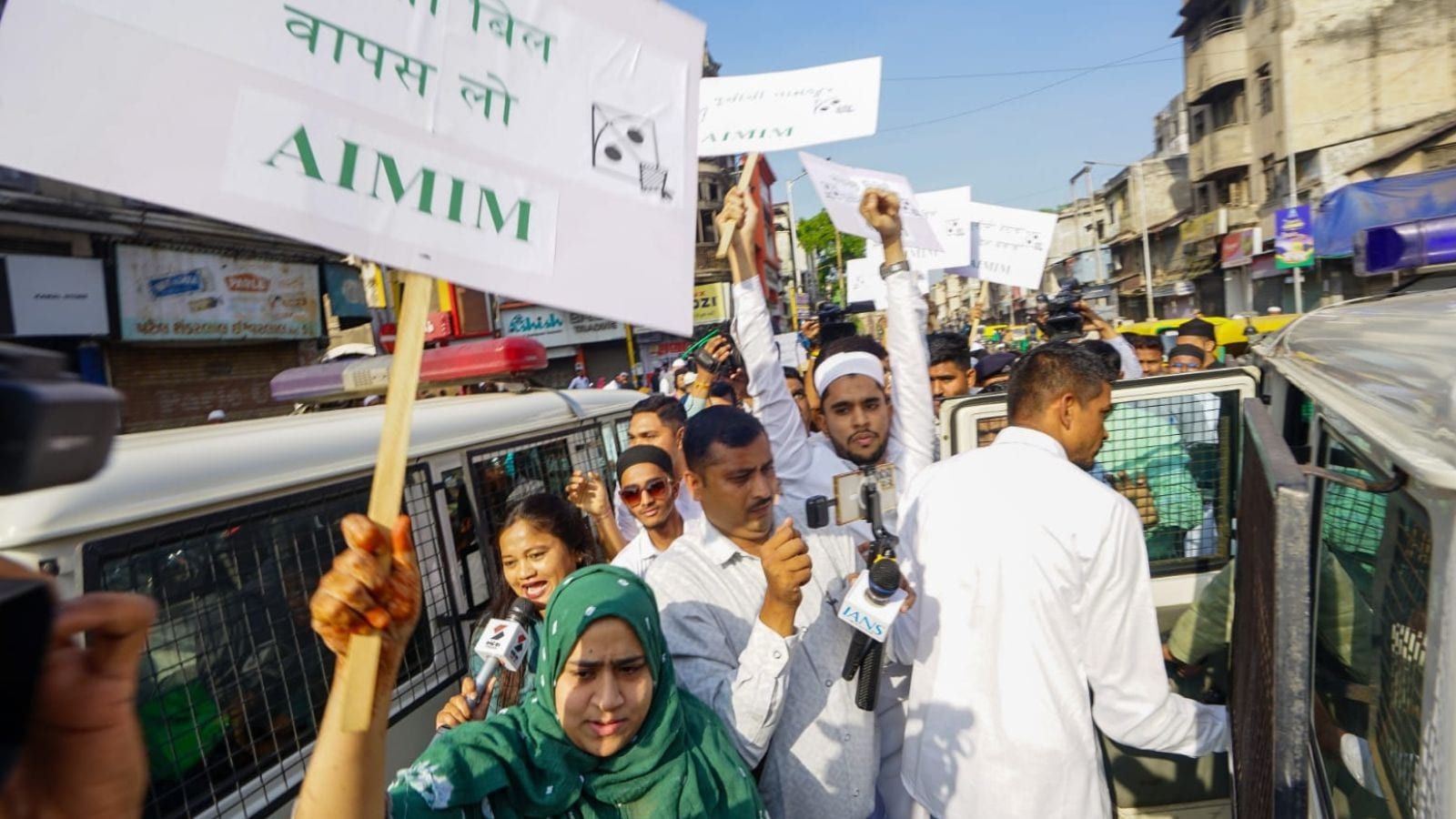
Five individuals were detained by police in Ahmedabad on Saturday, March 22, 2026, for protesting the implementation of the Uniform Civil Code (UCC) outside the Jama Masjid. The demonstrators, carrying placards and AIMIM posters, voiced their opposition to the UCC, claiming it contradicts Sharia law and Article 25 of the Constitution. The protest took place as worshippers exited the mosque following Eid prayers.
The detentions occurred against the backdrop of the Gujarat government’s recent actions regarding the UCC. A state-appointed panel submitted its final report on the UCC to Chief Minister Bhupendra Patel on March 17, 2026, followed by the introduction of the Gujarat Uniform Civil Code (UCC) Bill, 2026, in the Legislative Assembly on March 18, 2026. The bill proposes a uniform legal framework for marriage, divorce, succession, and live-in relationships, irrespective of religion.
Key Points:
- Five individuals were detained in Ahmedabad for protesting the UCC outside Jama Masjid on Saturday, March 22, 2026.
- Protesters claimed the UCC is against Sharia law and Article 25 of the Constitution.
- The Gujarat government introduced the Gujarat Uniform Civil Code (UCC) Bill, 2026, on March 18, 2026.
- The Bill proposes a common legal framework for marriage, divorce, succession, and live-in relationships.
- The Bill will be discussed in the Vidhan Sabha on March 24, 2026.
Critical Analysis:
The timing of the protest, immediately following Eid prayers, suggests a deliberate attempt to maximize visibility and amplify the message of opposition to the UCC within the Muslim community. The protesters’ specific references to Sharia law and Article 25 highlight concerns about religious freedom and the potential impact of the UCC on personal laws governed by religious customs. The mention of AIMIM posters suggests possible political backing or affiliation of the protesters. The prompt response from the police indicates a proactive approach by the authorities to maintain order and prevent escalation of the protests, especially given the sensitivity surrounding religious gatherings.
Key Takeaways:
- The UCC implementation is facing opposition from certain segments of the population, particularly within the Muslim community.
- Concerns about religious freedom and the potential impact on personal laws are central to the opposition.
- The Gujarat government is proceeding with the UCC implementation despite the protests.
- The timing of the protests suggests a strategic effort to raise awareness and mobilize opposition.
- The government’s response indicates a firm stance on maintaining order and proceeding with the legislative process.
Impact Analysis:
The implementation of the UCC in Gujarat, following Uttarakhand, sets a precedent for other states and potentially for a national-level UCC. The protests highlight the potential for social unrest and legal challenges surrounding the UCC. The success or failure of the Gujarat model will likely influence future decisions regarding the UCC in other parts of India. The debate surrounding the UCC will continue to be a contentious issue, influencing political discourse and social dynamics in the country. Furthermore, the formal registration of live-in relationships could have significant social and legal ramifications, impacting inheritance laws and the rights of partners in such relationships.
 First Piper