
Sat Mar 21 01:58:07 UTC 2026: ### Headline: Federal Judge Blocks Trump Administration’s Restrictive Pentagon Press Access Policy
The Story:
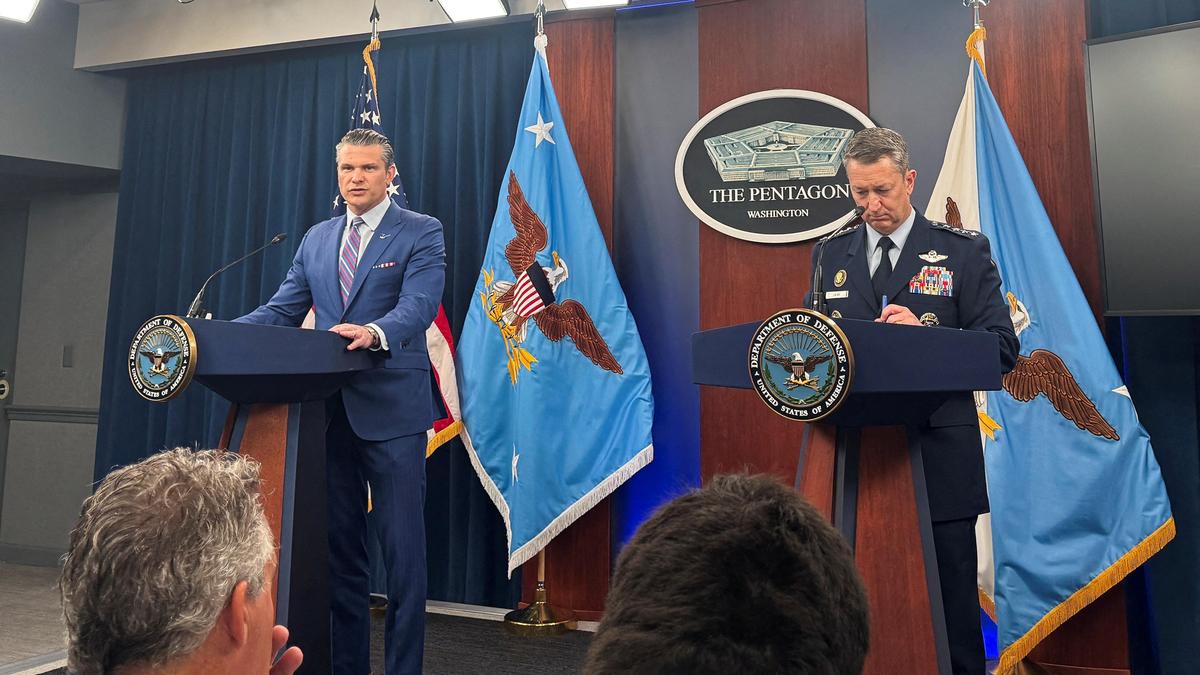
A federal judge in Washington, D.C., on March 20, 2026, blocked the Trump administration’s policy regarding Pentagon press access. The lawsuit, filed by The New York Times, challenged changes implemented in October 2025 under Defence Secretary Pete Hegseth, which threatened journalists with being branded as security risks if they sought information not authorized for public release. Judge Paul Friedman ruled that while protecting troops and war plans is important, the public’s access to information about the government’s actions is “more important than ever,” particularly in light of President Donald Trump’s recent actions in Venezuela and the war with Iran.
Key Points:
- The lawsuit was filed by The New York Times against the Defence Department.
- The policy, enacted in October 2025, allowed the Pentagon to revoke press badges from journalists deemed security risks for soliciting unauthorized information.
- Only one of the 56 news outlets in the Pentagon Press Association agreed to sign an acknowledgment of the new policy.
- The Times argued the policy unlawfully restricts newsgathering and gives the Pentagon “unfettered” discretion to revoke passes, imposing “viewpoint-based” restrictions.
- The Justice Department defended the policy as necessary for national security and argued that soliciting unauthorized information was not legally protected speech.
- The ruling comes amid ongoing tensions related to President Trump’s actions in Venezuela and the war with Iran.
- The Associated Press has a pending lawsuit against the Trump administration regarding press access following a dispute over the naming of the Gulf of Mexico.
- The Pentagon assembled a new press corps consisting of pro-Trump outlets and media personalities after the exodus of reporters.
Critical Analysis:
The timing of this ruling, in the context of the U.S. military action against Iran ( “U.S. says ‘took out’ Iran base threatening blocked Strait of Hormuz oil route: null”) and the incursion into Venezuela, suggests a heightened sensitivity around the administration’s control of information. The administration likely sought to manage the narrative surrounding these actions, making the press access policy a crucial tool for shaping public perception. The judge’s reference to the importance of public access to information during these events underscores the potential for government overreach in times of conflict.
Key Takeaways:
- The ruling highlights the ongoing tension between national security concerns and the constitutional right to freedom of the press.
- The Trump administration’s actions indicate a pattern of attempting to control media coverage, particularly regarding sensitive military and foreign policy matters.
- The legal challenges from news organizations like The New York Times and The Associated Press demonstrate a strong resistance to perceived infringements on press freedom.
- The administration’s likely appeal suggests this issue will continue to be contested in the courts.
- The creation of a new, more favorable press corps indicates a strategic effort to disseminate a specific narrative.
Impact Analysis:
This case could have lasting implications for the relationship between the government and the press. A successful appeal by the government could embolden future administrations to implement similar restrictions, potentially chilling investigative journalism and limiting public access to crucial information. Conversely, upholding the ruling would reaffirm the importance of a free and independent press as a check on government power, particularly during times of conflict. The outcome will likely shape the legal framework governing press access and the government’s ability to control information dissemination for years to come.
 First Piper