
Sat Mar 21 00:28:23 UTC 2026: # Britain Approves US Use of Military Bases for Strikes on Iran Amidst Widespread Public Scepticism
The Story:
On March 20, 2026, the British government authorized the United States to utilize military bases in Britain for strikes on Iranian missile sites that are attacking ships in the Strait of Hormuz. This decision followed discussions among British Ministers regarding the escalating war with Iran and Iran’s blockage of the Strait. While Prime Minister Keir Starmer initially resisted the U.S. request, citing the need for legal justification, he modified his stance after Iranian strikes on British allies. The decision has been met with significant public scepticism in Britain, with a majority opposing the U.S.-Israeli attacks.
Key Points:
- The British government authorized the U.S. to use military bases in Britain for strikes on Iranian missile sites (March 20, 2026).
- The authorization is for defensive operations aimed at degrading Iranian missile capabilities used to attack ships in the Strait of Hormuz.
- Prime Minister Keir Starmer initially opposed the U.S. request but changed his position after Iranian strikes on British allies.
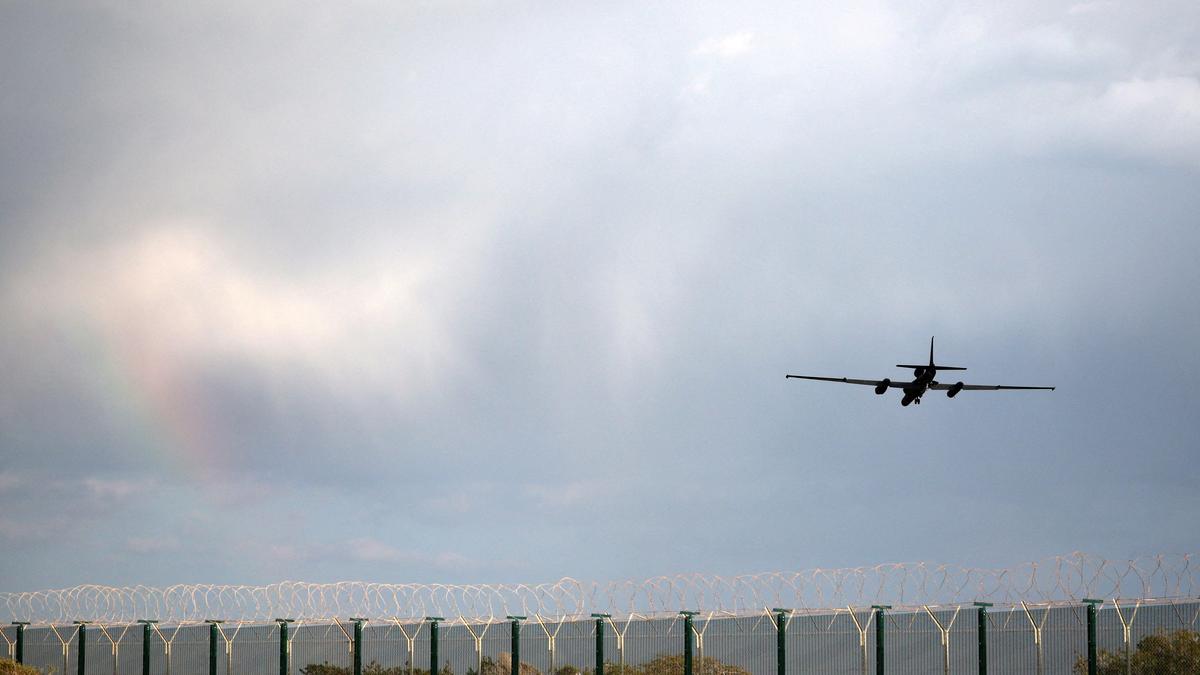
- The bases involved include RAF Fairford and Diego Garcia, a joint U.S.-U.K. base in the Indian Ocean.
- President Donald Trump has criticized Mr. Starmer for not doing enough to support the U.S.
- Opinion polls in Britain indicate that 59% of those surveyed by YouGov are opposed to the U.S.-Israeli attacks.
- Downing Street called for “urgent de-escalation and a swift resolution to the war”.
Critical Analysis:
The decision by the British government highlights the complex geopolitical pressures at play. Despite public opposition and initial reluctance from the Prime Minister, the perceived threat to regional stability and the need to support allies ultimately led to the authorization. President Trump’s public criticism likely added pressure on Britain to align more closely with the U.S. strategy.
Key Takeaways:
- The situation underscores the ongoing tensions in the Middle East, particularly between Iran, the U.S., and Israel.
- The decision reveals the delicate balance between domestic public opinion and international alliance commitments.
- The U.S.-U.K. alliance remains strategically important, despite occasional disagreements and public criticism.
- The Strait of Hormuz is a critical chokepoint, and its blockage has significant global implications.
Impact Analysis:
This event could have several long-term impacts:
- Escalation of Conflict: The U.S. strikes from British bases could further escalate the conflict between Iran, the U.S., and Israel, leading to a broader regional war.
- Domestic Political Fallout: The British government may face increased domestic pressure and potential political instability due to public opposition to the war.
- Strained U.S.-U.K. Relations: While the immediate crisis is addressed, the public spat between Trump and Starmer could leave lingering tensions in the U.S.-U.K. relationship.
- Global Energy Security: Continued disruption of shipping in the Strait of Hormuz could lead to significant increases in global energy prices and economic instability.
 First Piper