
Sat Mar 21 23:43:53 UTC 2026: Headline: Assam’s 2026 Election: Tribal Council Chiefs Enter Assembly Race, Signaling Political Shift
The Story:
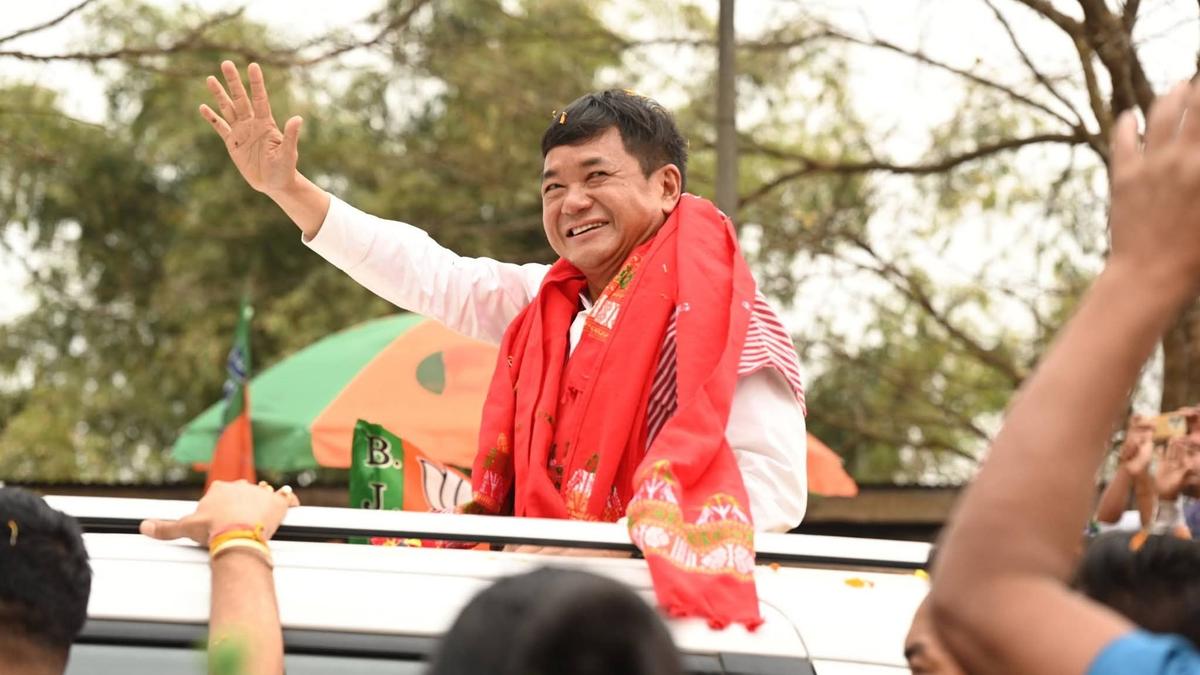
The upcoming April 9, 2026, Assam Assembly election sees a significant development with key tribal council leaders vying for seats, marking a potential shift in the state’s political landscape. Tuliram Ronghang, Chief Executive Member (CEM) of the Karbi Anglong Autonomous Council (KAAC), and Tankeswar Rabha, his counterpart from the Rabha Hasong Autonomous Council (RHAC), are contesting from reserved constituencies on Bharatiya Janata Party (BJP) tickets. This move highlights the growing importance of tribal representation and autonomous councils in Assam’s political arena.
The Bodoland People’s Front has fielded Sewli Mohilary from Kokrajhar, while Pramod Boro, president of the United People’s Party Liberal (UPPL), is contesting the Tamulpur constituency. The results of the election, to be announced on May 4, 2026, will determine the future of these tribal leaders and the direction of tribal politics in Assam.
Key Points:
- Tuliram Ronghang, CEM of KAAC, is contesting from the Rongkhang Assembly constituency on a BJP ticket.
- Tankeswar Rabha, CEM of RHAC, is contesting from the Dudhnai seat on a BJP symbol, despite being the president of the regional Rabha Hasong Joutha Mancha party.
- Sewli Mohilary from the Bodoland People’s Front is contesting from Kokrajhar.
- Pramod Boro, president of the UPPL, is contesting the Tamulpur constituency.
- Polling for the 126-member Assam Assembly will be held in a single phase on April 9, 2026, with results announced on May 4, 2026.
Key Takeaways:
- The entry of tribal council chiefs into the Assam Assembly election indicates a strategic move by political parties to consolidate tribal support.
- The focus on autonomous councils suggests a growing recognition of their importance in addressing tribal issues and regional development.
- The political landscape in Assam is becoming increasingly complex with various parties vying for power and influence in tribal areas.
Impact Analysis:
- Increased Tribal Representation: The election of tribal council chiefs to the Assam Assembly could lead to stronger representation of tribal interests and concerns in state-level policy-making.
- Shift in Power Dynamics: The outcome of the election may alter the power balance between the state government and the autonomous councils, potentially granting more autonomy and resources to these councils.
- Future Political Alliances: The performance of tribal leaders and their respective parties in the election will likely influence future political alliances and coalition formations in Assam.
 First Piper