
Sat Mar 21 19:35:28 UTC 2026: # Pottalurani Villagers Boycott Election Over Unaddressed Pollution and Infrastructure Grievances
The Story:
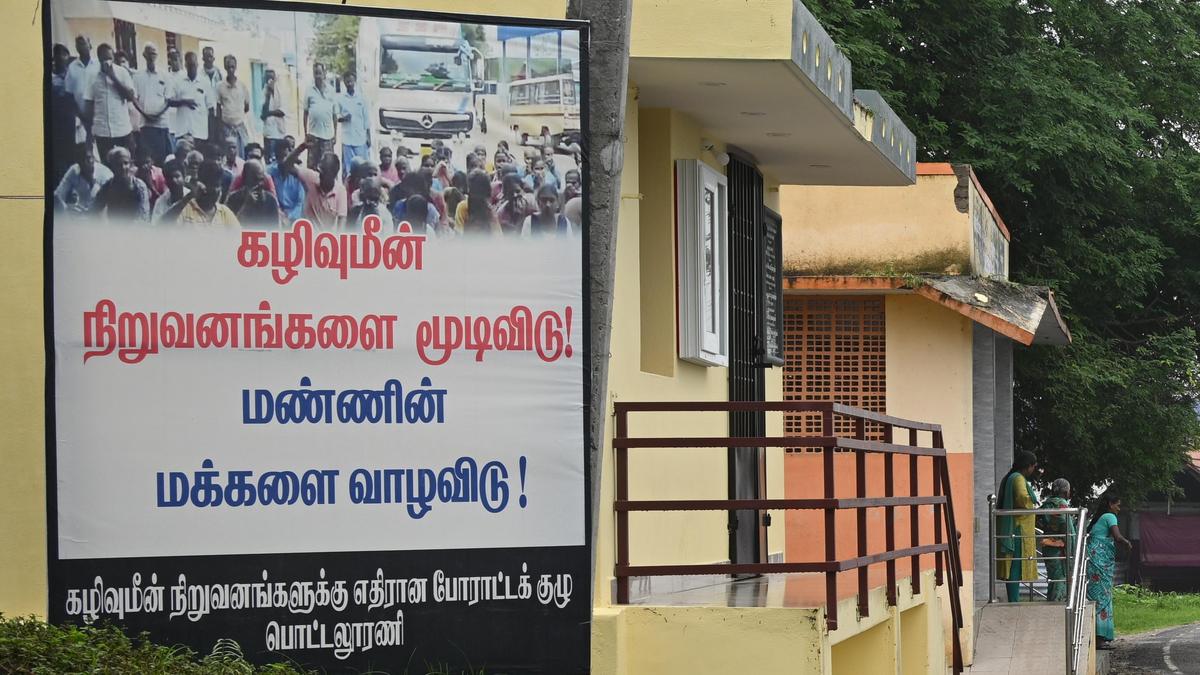
For the second consecutive election, residents of Pottalurani village in Thoothukudi district, Tamil Nadu, are boycotting the polls due to the government’s failure to address their long-standing demand for the closure of fish waste processing units near their village. This boycott, also enacted during the 2024 Lok Sabha election, stems from health concerns and infrastructural issues. The villagers have been protesting since 2019, submitting numerous petitions, but their grievances remain unresolved as the March 2026 Assembly election approaches.
Key Points:
- Residents of Pottalurani village are boycotting the March 2026 Assembly election.
- The boycott is a continuation of a similar action taken during the 2024 Lok Sabha election.
- The primary demand is the closure of fish waste processing units due to foul odors and health concerns.
- Other demands include the bifurcation of Ellainayakkanpatti village panchayat to create a separate Pottalurani panchayat.
- Villagers also seek the withdrawal of cases filed against residents during previous protests.
- The village has 912 registered voters (422 men and 490 women), according to the February 2026 electoral roll.
- There are three fish waste processing units near the village, with two located barely a kilometer from Pottalurani.
Critical Analysis:
The historical context provided reveals that Tamil Nadu is currently in the midst of Assembly Elections. Other news items show protests and demands from various groups across India in the lead-up to assembly elections. The Pottalurani village boycott is a specific instance of a broader pattern: local grievances being leveraged during election periods to pressure the government. The timing of the intensified protest in early 2024 ahead of the Lok Sabha election, and now again before the Assembly election, suggests a calculated strategy to maximize the impact of their demands.
Key Takeaways:
- Local environmental and infrastructural issues can significantly impact democratic processes, such as elections.
- Citizen boycotts are a recurring strategy used to pressure governments to address long-standing grievances.
- The timing of protests around elections is a strategic maneuver to gain attention and leverage political pressure.
- Unresolved local issues can escalate into significant political challenges during election periods.
- The incident highlights a disconnect between government responsiveness and the needs of marginalized communities.
Impact Analysis:
The Pottalurani village boycott, if sustained, could influence the outcome of the Ottapidaram Assembly constituency election. The event series has implications beyond the immediate election cycle.
* It sets a precedent for other communities facing similar issues to use election boycotts as a form of protest.
* The government’s response to this situation will be closely watched, potentially shaping its approach to other local grievances.
* The long-term impact depends on whether the government addresses the root causes of the protest, including pollution and infrastructural deficiencies. Failure to do so could lead to further social unrest and political instability in the region.
 First Piper