
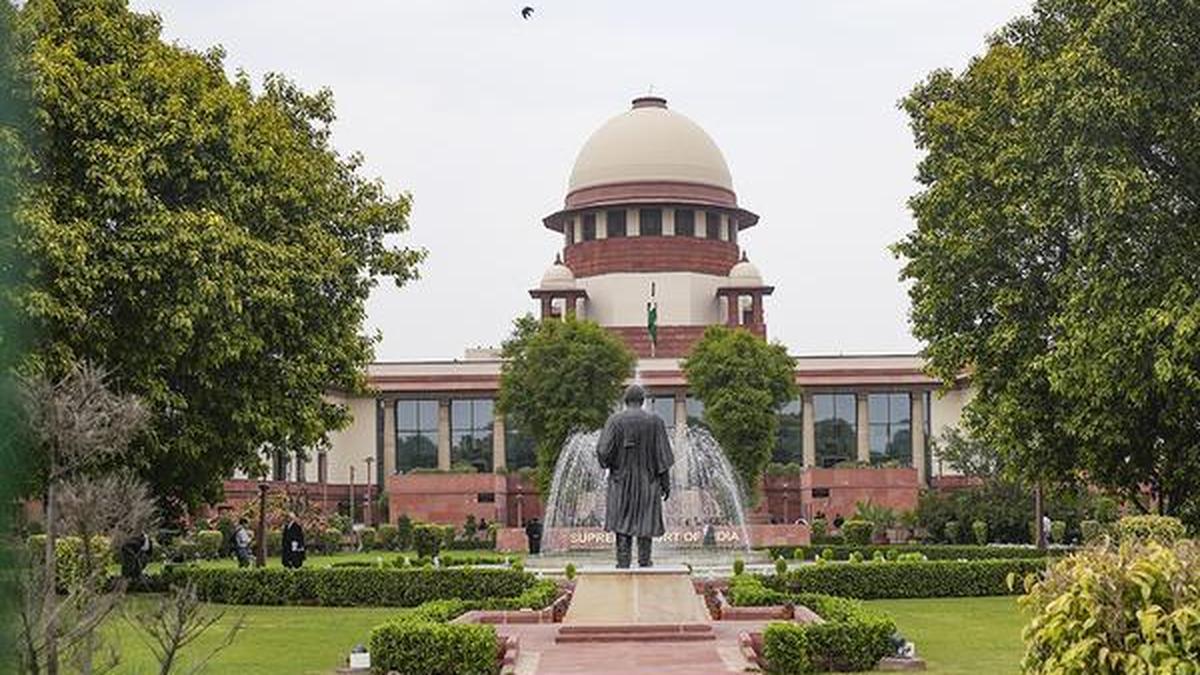
Sun Mar 22 09:03:30 UTC 2026: # Supreme Court Orders States to Update Jail Overcrowding Data
The Story:
The Supreme Court of India has directed all States and Union Territories to provide updated details on the conditions of their jails by May 18, 2026. The order, issued by a Bench of Justices Vikram Nath and Sandeep Mehta, requests comprehensive statistics on jail capacity, prisoner numbers, overcrowding percentages, and measures to address these issues. Special attention is being given to women’s prisons, including facilities for female inmates and children living with them.
The directive stems from a suo motu matter concerning inhuman conditions in jails, with the court emphasizing the need for current data to make informed decisions. The information provided will be compiled by amicus curiae, senior advocate Gaurav Agrawal, into a comprehensive note for the court’s review.
Key Points:
- The Supreme Court has ordered all States and Union Territories to furnish updated jail statistics by May 18, 2026.
- The required data includes jail capacity, prisoner count, overcrowding percentages, and steps to alleviate overcrowding.
- Details on women’s prisons, including facilities for inmates and children, are also required.
- The order was issued in a suo motu case regarding inhumane prison conditions.
- Home Secretaries of each State and Union Territory must submit sworn affidavits with the data.
- The case is scheduled for a hearing on May 26, 2026.
Key Takeaways:
- The Supreme Court is actively addressing the issue of overcrowding and inadequate conditions in Indian jails.
- The focus on women’s prisons and children highlights a concern for vulnerable populations within the prison system.
- The demand for updated data underscores the importance of evidence-based decision-making in addressing systemic issues.
- The involvement of an amicus curiae suggests a commitment to thorough and impartial analysis of the situation.
Impact Analysis:
This directive from the Supreme Court has significant implications for the Indian prison system. The collection and analysis of updated data will provide a clearer picture of the challenges faced by state and union territory prison systems, potentially leading to:
- Policy Reform: The data could inform new policies aimed at reducing overcrowding, improving facilities, and enhancing the welfare of prisoners, especially women and children.
- Resource Allocation: Evidence of overcrowding and inadequate facilities could justify increased funding and resource allocation to improve prison infrastructure and services.
- Increased Accountability: Requiring Home Secretaries to submit sworn affidavits places accountability on state governments to address the issues identified.
- Long-Term Monitoring: This initiative could pave the way for ongoing monitoring and evaluation of prison conditions across the country.
 First Piper