
Sat Mar 21 14:46:04 UTC 2026: ### Himachal Pradesh Opposition Decries 2026-2027 Budget as State Faces Potential Financial Emergency
The Story:
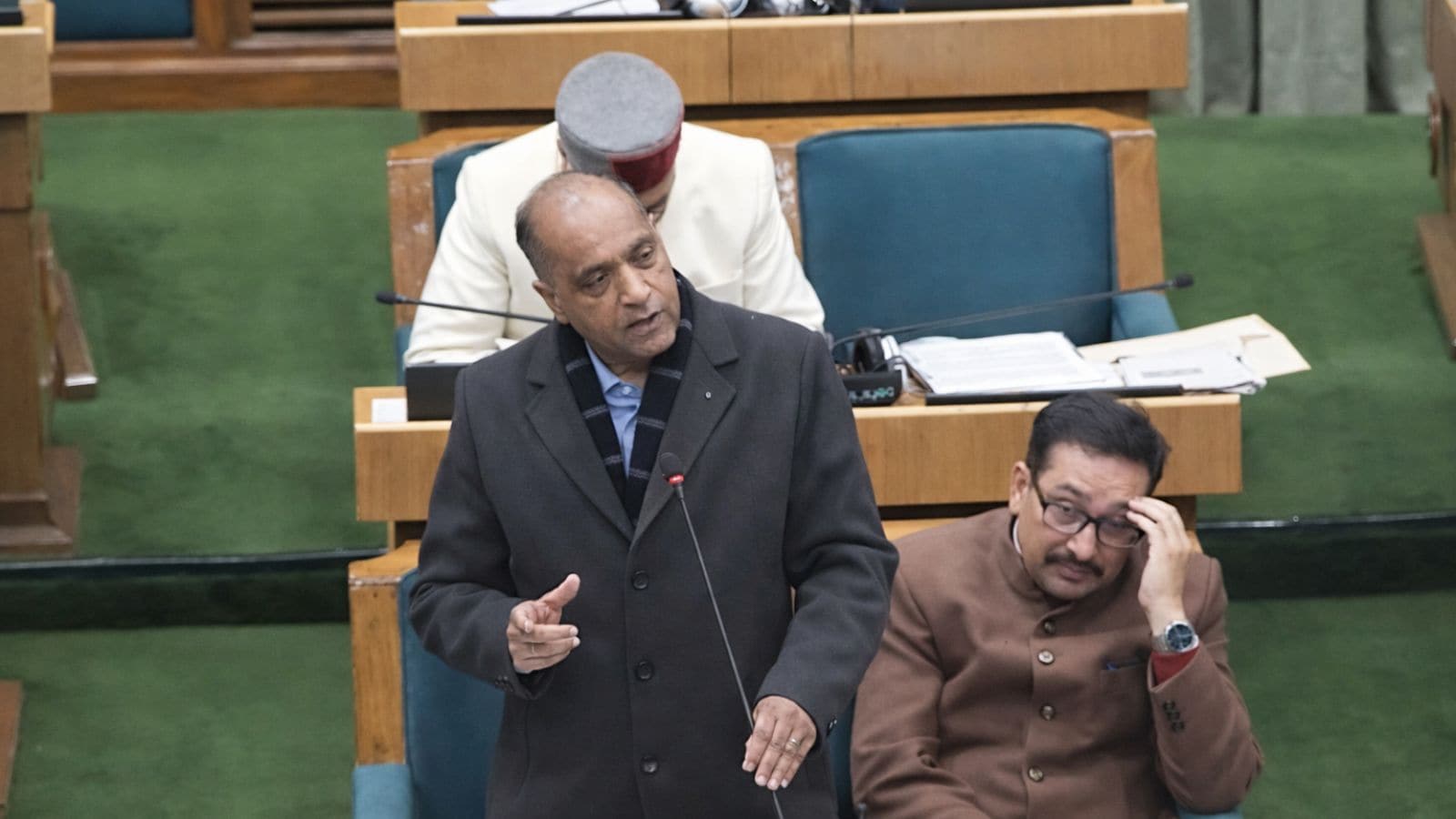
Leader of Opposition (LoP) and former Chief Minister of Himachal Pradesh, Jai Ram Thakur, has strongly criticized the 2026-2027 state budget, branding it as “disappointing, directionless, and visionless.” Thakur focused on the government’s decision to defer salaries, which he characterized as a move toward a “financial emergency.” He also highlighted a significant reduction in the budget outlay compared to the previous year and accused the current government, led by Chief Minister Sukhvinder Singh Sukhu, of fiscal mismanagement and a failure to meet public expectations. The BJP has also protested the recent hike in entry tax, both inside and outside the Himachal Pradesh Legislative Assembly.
Key Points:
- Salary Deferral: The Himachal Pradesh government has deferred salaries of government employees and MLAs, raising concerns about a potential “financial emergency.”
- Budget Reduction: The 2026-2027 budget stands at Rs 54,928 crore, a decrease of Rs 3,586 crore, or 6.13 percent, from the 2025-2026 budget of Rs 58,514 crore.
- Fiscal Deficit Increase: The fiscal deficit has risen from Rs 10,300 crore in 2023-24 to Rs 10,337 crore, Rs 12,414 crore, and Rs 9,896 crore in subsequent years.
- Capital Investment Decline: Capital investment has decreased from Rs 6,781 crore to Rs 6,239 crore, Rs 3,941 crore, and Rs 3,089 crore over the same period.
- Welfare Scheme Underutilization: Low expenditure rates were reported for key welfare schemes, including ‘Kanyadaan’ (10%), ‘Shagun’ (17%), and ‘Mahila Samman Nidhi’ (3.7%).
- Entry Tax Protest: The BJP protested the recent hike in entry tax, warning of increased prices of essential commodities and strained trade relations with neighboring states.
Key Takeaways:
- The Himachal Pradesh government is facing significant financial challenges, as evidenced by the salary deferral and budget reduction.
- The opposition BJP is using the state’s financial situation to attack the ruling Congress government’s economic policies and competence.
- The decrease in capital investment raises concerns about the state’s long-term development prospects.
- The underutilization of welfare schemes suggests inefficiencies in program implementation or a lack of prioritization.
- The entry tax hike controversy highlights potential tensions between revenue generation and the impact on businesses and consumers.
 First Piper