
Sun Mar 22 05:37:33 UTC 2026: ### Escalating Conflict: Israel Attacks Iranian Gas Field, Triggering Regional Retaliation and Global Energy Shock
The Story:
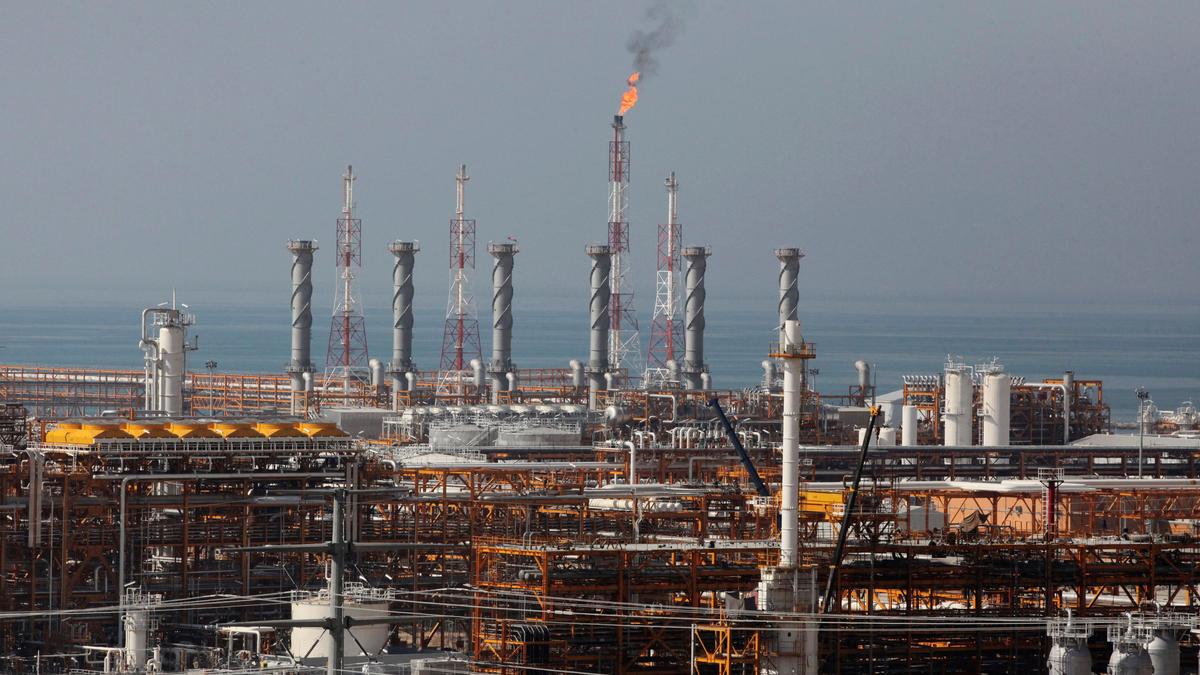
On March 18, 2026, Israel launched an attack on Iran’s South Pars gas field, the world’s largest, escalating the ongoing tensions in West Asia. In response, Iran retaliated with missile strikes targeting energy facilities in Qatar, Saudi Arabia, the UAE, Kuwait, and Israel. The U.S. President, Donald Trump, quickly distanced the U.S. from the Israeli action, stating that Israel acted alone. This series of events has severely disrupted global energy markets, choking off exports of crude oil and LNG through the Strait of Hormuz.
Key Points:
- Israel attacked Iran’s South Pars gas field on March 18, 2026.
- Iran retaliated by launching missile attacks on energy facilities in Qatar, Saudi Arabia, the UAE, Kuwait, and Israel.
- U.S. President Donald Trump stated that Israel acted alone in the attack.
- The conflict has disrupted energy exports through the Strait of Hormuz, causing Brent crude to rise 5% to $108.66 a barrel.
- Iran’s South Pars accounts for 70-75% of the country’s total gas production.
- Iranian attacks have knocked out 17% of Qatar’s LNG export capacity, causing an estimated $20 billion in lost annual revenue.
- Forty-seven percent of India’s LNG imports are from Qatar, making India particularly vulnerable to supply disruptions.
Key Takeaways:
- The attack on the South Pars gas field signifies a dangerous escalation of the conflict between Israel and Iran.
- The disruption of energy supplies will have significant global economic consequences, particularly for countries reliant on Middle Eastern energy exports like India.
- The U.S.’s distancing from the Israeli attack suggests a potential divergence in strategic interests and a complex geopolitical landscape.
- The long-term impact on global energy markets could be substantial, potentially requiring countries to diversify their energy sources and develop alternative supply chains.
Impact Analysis:
The attack on Iran’s South Pars gas field and subsequent retaliatory strikes represent a critical turning point with potentially far-reaching consequences:
- Global Energy Markets: The disruption to LNG and crude oil supplies will likely lead to sustained high energy prices, impacting industries and consumers worldwide. This may accelerate the transition to renewable energy sources in some regions, but also exacerbate energy poverty in others.
- Geopolitical Realignment: The apparent divergence between U.S. and Israeli actions could strain their alliance and open opportunities for other global powers to exert influence in the region. This may lead to new diplomatic initiatives or further instability.
- Regional Security: The escalation raises the risk of a wider regional conflict, drawing in other nations and potentially destabilizing the entire Middle East. This could necessitate increased military spending and security cooperation among affected countries.
- India’s Energy Security: India’s heavy reliance on Middle Eastern energy imports makes it particularly vulnerable. The crisis highlights the need for India to diversify its energy sources, strengthen strategic partnerships, and invest in domestic energy production.
 First Piper