
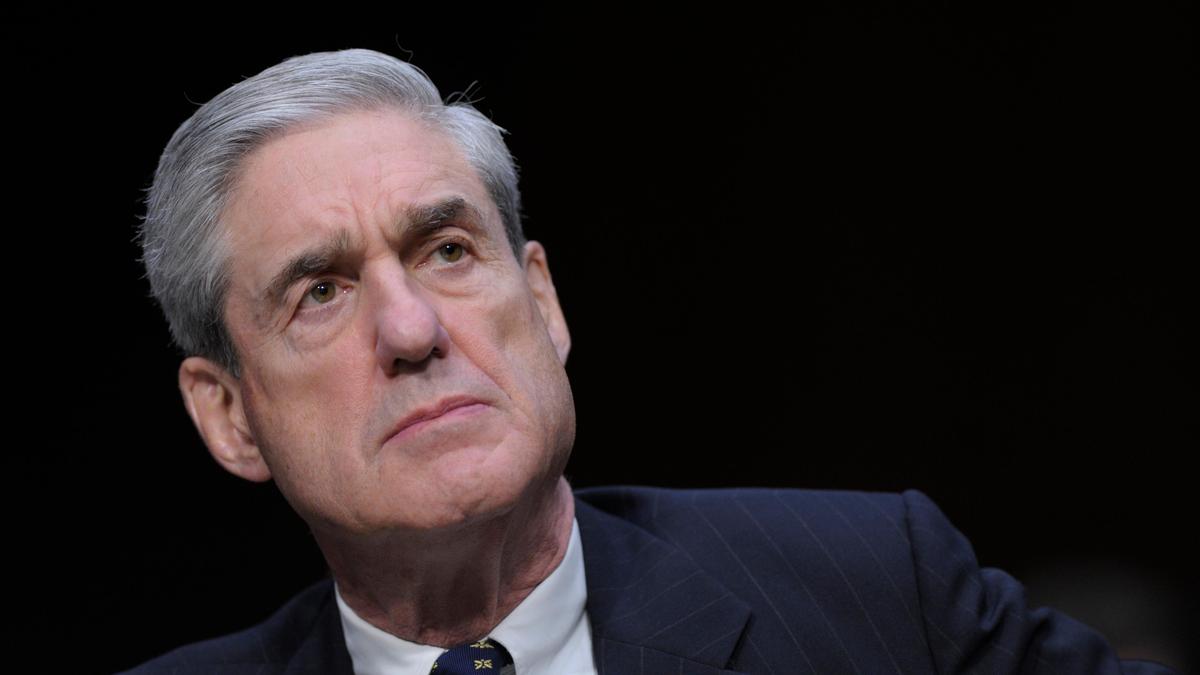
Sat Mar 21 18:33:36 UTC 2026: ### Headline: Robert Mueller, Former FBI Director and Special Counsel, Dies at 81
The Story:
Robert Mueller III, the former FBI Director and Special Counsel who led the investigation into Russian interference in the 2016 U.S. election, has died at the age of 81. News of his death broke on Saturday, March 21, 2026, with multiple news outlets citing a statement from the Mueller family. Mueller, a decorated Vietnam War veteran, served as FBI Director for 12 years, stepping down in 2013, before being appointed Special Counsel in 2017 following James Comey’s firing.
Mueller’s investigation resulted in indictments against 34 individuals and entities, including Russian intelligence officers and associates of Donald Trump. While the report detailed Russian efforts to influence the election, it did not establish a criminal conspiracy between the Trump campaign and the Russian government, nor did it exonerate then-President Trump of obstruction of justice. Trump celebrated Mueller’s death on Truth Social.
Key Points:
- Robert Mueller III, former FBI Director and Special Counsel, died on March 21, 2026, at the age of 81.
- Mueller led the investigation into Russian interference in the 2016 U.S. election, resulting in indictments against 34 individuals and entities.
- The Mueller report detailed Russian efforts to influence the election but did not establish a criminal conspiracy between the Trump campaign and the Russian government.
- Mueller did not exonerate then-President Trump of obstruction of justice.
- Donald Trump celebrated Mueller’s death on Truth Social.
- Mueller served as FBI Director from 2001 to 2013, appointed by President George W. Bush and extended by President Barack Obama.
- Mueller’s investigation was launched after Trump fired FBI Director James Comey.
- The New York Times reported last year that Mueller had Parkinson’s disease.
Key Takeaways:
- Robert Mueller’s death marks the end of a significant figure in American law enforcement and political history.
- His investigation into Russian interference in the 2016 election continues to be a subject of debate and scrutiny.
- The polarized reactions to his death, exemplified by Trump’s comments, highlight the lasting divisions in American society stemming from the Russia investigation.
- Mueller’s career reflects a commitment to public service, spanning military service in Vietnam to leading the FBI through a period of significant transformation following 9/11.
- The legacy of the Mueller report will likely continue to shape discussions about election security, presidential power, and the role of special investigations in American politics.
Impact Analysis:
Mueller’s death, while a personal tragedy, is unlikely to have any immediate direct political or legal consequences. However, the event serves as a potent reminder of a highly contentious period in American history, one that continues to shape political discourse and institutional trust.
- Historical Significance: Mueller’s report will continue to be a primary source for historians studying the 2016 election and the Trump presidency.
- Political Discourse: The event is likely to reignite debates about the Russia investigation, potentially influencing future elections and political strategies.
- Institutional Trust: The polarized reactions to Mueller’s death underscore the deep divisions in public trust towards government institutions, including the FBI and the Justice Department.
- Future Investigations: The legacy of the Mueller investigation will likely influence the scope and structure of future special counsel investigations, particularly concerning presidential conduct.
 First Piper