
Sun Mar 22 07:32:12 UTC 2026: # US Patriot Missile Likely Caused Bahrain Explosion During Iran Conflict, Injuring Dozens
The Story: An analysis by academic researchers suggests that a U.S.-operated Patriot air defense battery was likely responsible for an explosion in Bahrain on March 9, 2026, which injured dozens of civilians and damaged homes. The incident occurred during the ongoing U.S.-Israeli conflict with Iran. While Bahrain and the United States initially blamed an Iranian drone attack, Bahrain has since acknowledged that a Patriot missile was involved in intercepting a drone. However, evidence remains inconclusive, and researchers suggest the missile itself may have detonated mid-air, causing the damage.
Key Points:
- The explosion occurred in the Mahazza neighborhood on Sitra Island, Bahrain, on March 9, 2026, injuring 32 people.
- Bahrain and the U.S. initially blamed an Iranian drone attack, but Bahrain later admitted a Patriot missile was involved.
- Researchers from the Middlebury Institute of International Studies concluded that a U.S.-operated Patriot battery likely launched the missile.
- The analysis is based on open-source visuals, commercial satellite imagery, and expert consultations.
- Researchers suggest the Patriot missile may have detonated mid-air, causing the damage, regardless of drone interception.
- The incident highlights the risks and limitations of using advanced weaponry against cheaper drones.
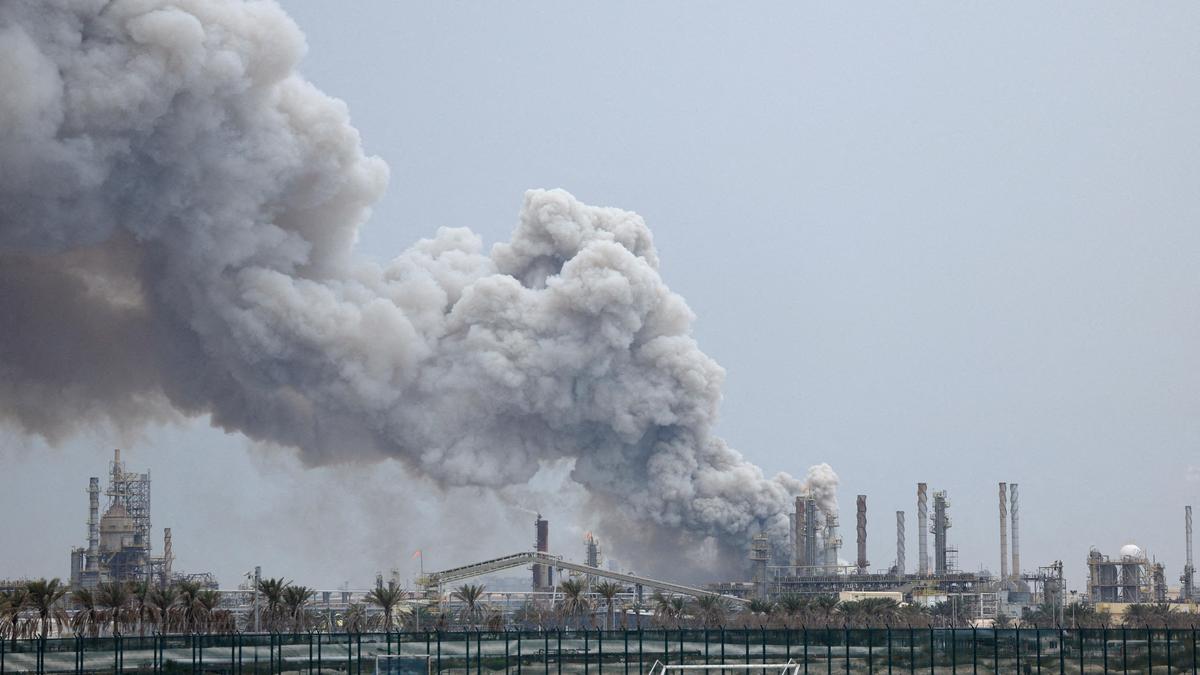
- Bahrain’s oil refinery on Sitra also came under Iranian attack the same night, declaring force majeure.
- The Strait of Hormuz, critical for global oil and gas transport, has been “almost entirely closed by Iran, causing unprecedented disruption to world oil supplies.”
Critical Analysis:
The article highlights the complexities and unintended consequences of modern warfare, particularly the use of advanced air defense systems in densely populated areas. The initial attempts to deflect blame, followed by the reluctant admission of Patriot missile involvement, suggest a desire to control the narrative and minimize reputational damage. The reliance on open-source intelligence by researchers underscores the increasing role of non-state actors in verifying and challenging official accounts. The fact that a U.S. ally has been impacted by the missile system meant to defend them will add further tension to the already strained relationship between the US and Middle Eastern countries.
Key Takeaways:
- The incident raises questions about the effectiveness and safety of using Patriot missile systems in urban environments.
- It underscores the potential for misidentification and collateral damage in modern warfare, even with advanced technology.
- The reliance on open-source intelligence for analysis highlights the importance of transparency and independent verification in conflict zones.
- The event contributes to heightened tensions in the region, particularly between the U.S., Iran, and their allies.
- The disruption to oil supplies due to the closure of the Strait of Hormuz indicates a significant global economic impact.
Impact Analysis:
The Bahrain incident has several long-term implications:
- Diplomatic Strain: The event could strain relations between the U.S. and Bahrain, a key ally in the region, especially if the U.S. is found responsible for civilian casualties.
- Regional Instability: The incident further exacerbates tensions between the U.S., Israel, and Iran, potentially leading to further escalation of the conflict. The missile strikes on Saudi Arabia, Israel and the closure of the Strait of Hormuz paint a picture of a region in turmoil.
- Arms Control Debate: The incident may reignite the debate over arms sales and the deployment of advanced weaponry in volatile regions.
- Technological Reassessment: Military strategists may need to reassess the use of Patriot missile systems in urban environments and explore alternative defense strategies.
- Global Economic Impact: Continued disruption to oil supplies from the Strait of Horm
 First Piper