
Sun Mar 22 04:34:27 UTC 2026: ### Headline: Iran Strikes Israel with Missiles; Trump Issues Ultimatum over Strait of Hormuz
The Story
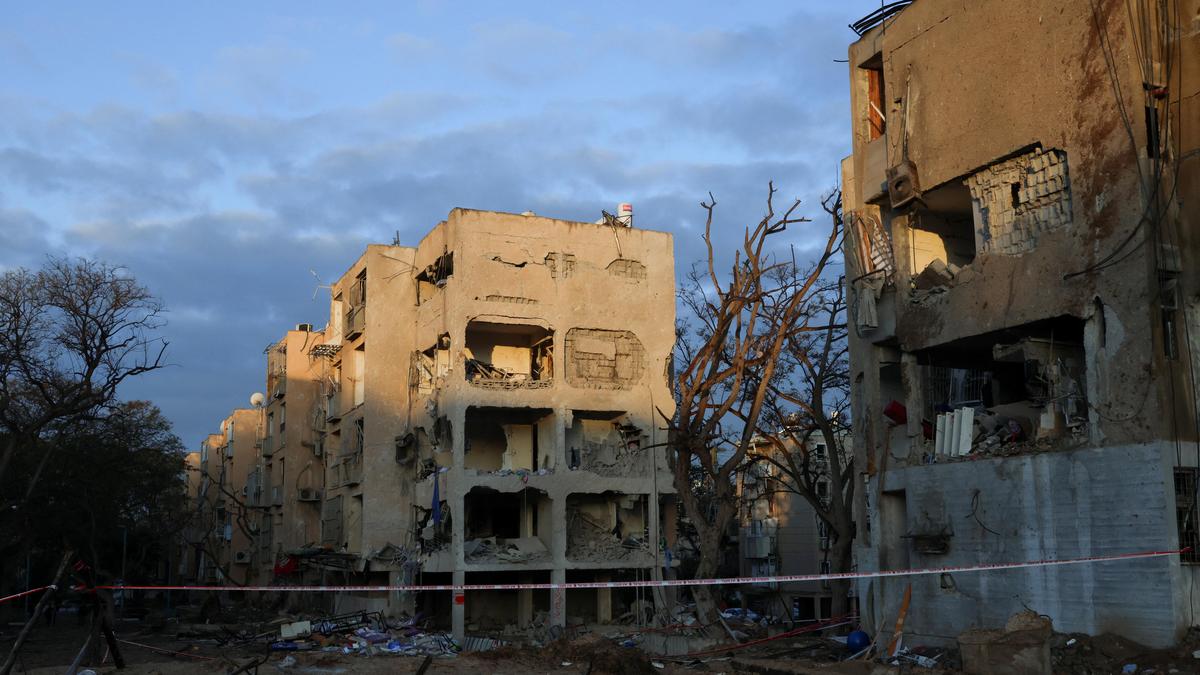
On March 21, 2026, Iranian missiles struck two communities in southern Israel, Dimona and Arad, causing damage and injuries. The attacks occurred near Israel’s main nuclear research center, marking the first time Iranian missiles penetrated Israeli air defenses in that area. In response, President Donald Trump issued a 48-hour ultimatum to Iran, demanding the full opening of the Strait of Hormuz or face the destruction of Iranian power plants. Iran warned that any strike on its energy facilities would prompt retaliatory attacks on US and Israeli energy and infrastructure assets. The escalating conflict has significantly disrupted global oil supplies, leading to soaring prices and production cuts.
Key Points
- Iranian missiles struck Dimona and Arad in southern Israel on March 21, 2026, injuring dozens.
- President Trump threatened to “obliterate” Iranian power plants if the Strait of Hormuz isn’t fully opened within 48 hours.
- Iran warned that any strike on its energy facilities would result in attacks on US and Israeli energy and infrastructure assets.
- The Strait of Hormuz is a critical pathway for global oil, and attacks have halted tanker traffic, leading to soaring oil prices.
- Israel denied responsibility for the earlier strike on Iran’s Natanz nuclear facility.
- Iran also targeted the joint U.K.-U.S. Diego Garcia military base in the Indian Ocean.
- The war’s death toll has surpassed 1,500 in Iran, 15 in Israel, and 13 US military members.
Critical Analysis
The attacks on Dimona and Arad are significant because they demonstrate Iran’s ability to penetrate Israeli air defenses around a sensitive nuclear site. This escalation, coupled with Trump’s aggressive ultimatum regarding the Strait of Hormuz, indicates a dangerous ratcheting up of the conflict. The tit-for-tat strikes on nuclear facilities and energy infrastructure suggest a deliberate strategy to cripple each other’s strategic capabilities. The targeting of Diego Garcia suggests Iran is willing to expand the geographical scope of the conflict and has the missile capabilities to do so, or has improvised using its space program. The news updates of the time clearly indicate the growing intensity and widening scope of the conflict.
Key Takeaways
- The Iran-Israel conflict is escalating, with direct attacks on each other’s territories.
- The Strait of Hormuz remains a critical flashpoint, threatening global oil supplies.
- The conflict is expanding geographically, with potential involvement of other nations.
- The use of long-range missiles by Iran demonstrates a growing threat.
- The war is taking a heavy toll on both sides, with significant casualties and infrastructure damage.
Impact Analysis
The ongoing conflict has profound implications for regional stability and global energy markets. The disruption of oil supplies through the Strait of Hormuz could trigger a global recession. The attacks on nuclear facilities raise the specter of nuclear proliferation and a wider regional war. The involvement of the U.S. and other nations further complicates the situation, potentially leading to a protracted and devastating conflict. The long-term impact could include a reshaping of the geopolitical landscape in the Middle East and a reassessment of global energy security strategies.
 First Piper