
Sun Mar 22 01:57:36 UTC 2026: # Iran Threatens Retaliation After Trump’s Ultimatum Over Strait of Hormuz
The Story:
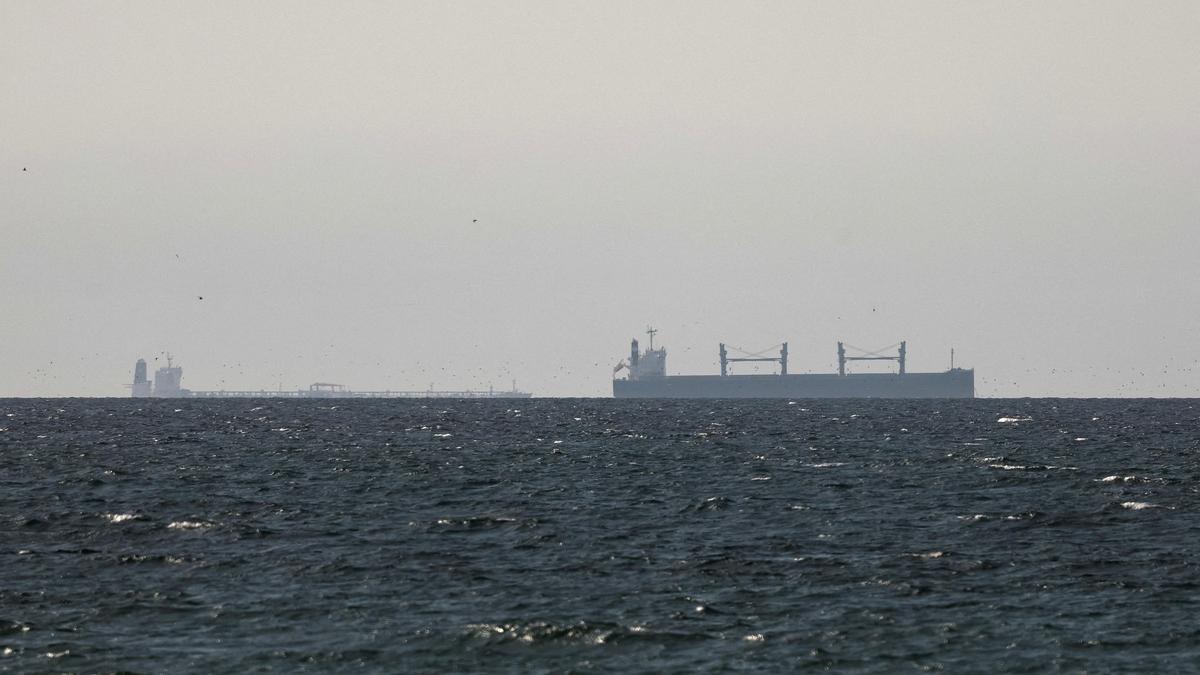
Tensions in West Asia escalated sharply on March 22, 2026, as Iran’s military issued a stern warning in response to U.S. President Donald Trump’s threat to “obliterate” Iranian power plants. The threat was made if Iran failed to reopen the Strait of Hormuz, a critical shipping route, within a 48-hour deadline. Iran’s military command, Khatam Al-Anbiya, declared that any attack on Iran’s energy infrastructure would trigger retaliatory strikes against U.S. and allied energy, information technology, and desalination infrastructure in the region.
Key Points:
- Donald Trump gave Iran a 48-hour deadline to reopen the Strait of Hormuz.
- The Strait of Hormuz was closed in response to the ongoing West Asia war.
- Iran’s military warned of retaliatory strikes against U.S. and allied infrastructure if Iran’s energy infrastructure is targeted.
- The warning was issued by the Iranian military’s operational command, Khatam Al-Anbiya.
- The statement was carried by Fars news agency.
Critical Analysis:
The historical context reveals a pattern of escalating rhetoric and threats between the U.S., under President Trump, and Iran. The threat to “obliterate” power plants is a significant escalation from previous warnings. The timing, indicated by the related historical context, shows the threat was made earlier on March 22, 2026, likely prompting the Iranian response.
Key Takeaways:
- The situation in West Asia is highly volatile, with the Strait of Hormuz acting as a major flashpoint.
- Donald Trump’s aggressive rhetoric is contributing to the heightened tensions.
- Iran is prepared to retaliate against any attack on its critical infrastructure.
- The conflict has the potential to disrupt global energy markets due to the Strait of Hormuz’s strategic importance.
Impact Analysis:
The closure of the Strait of Hormuz and the potential for retaliatory attacks on energy infrastructure pose a significant threat to global energy supplies and the world economy. Any disruption to shipping traffic through the strait would likely lead to a spike in oil prices and could trigger a global recession. The conflict also risks drawing in other regional and international actors, potentially escalating into a wider war. The long-term impact includes a potential realignment of alliances in the Middle East and a renewed focus on energy security by nations heavily reliant on Gulf oil.
 First Piper