
Sun Mar 22 01:00:42 UTC 2026: Headline: Mamata Banerjee Faces Election Dilemma Amidst Voter ID Scrutiny and Governor Appointment
The Story:
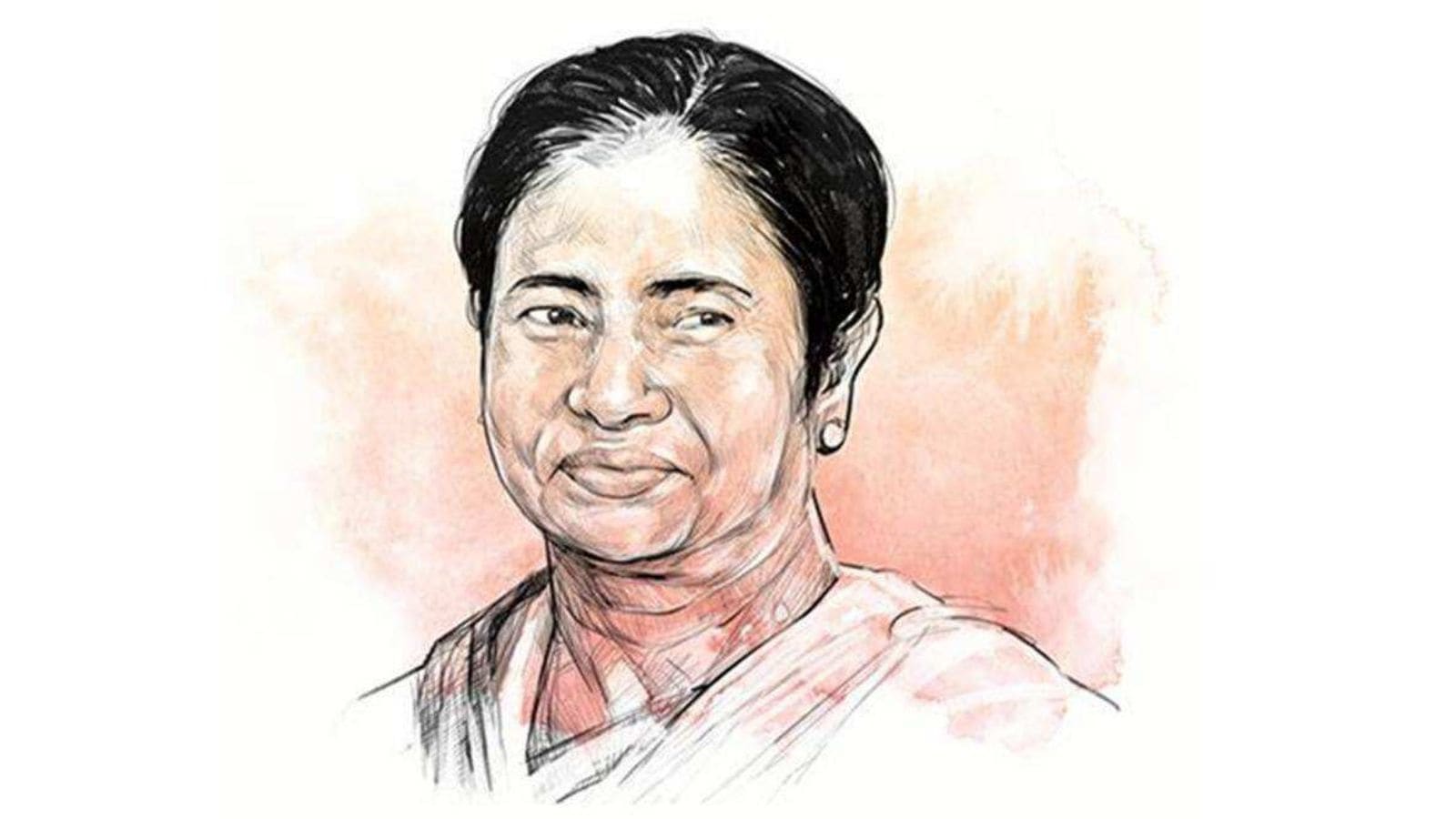
West Bengal Chief Minister Mamata Banerjee finds herself in a complex situation as the state prepares for elections. The Supreme Court’s decision to have judicial officers, not the Election Commission, oversee claims and objections related to voter IDs has created a backlog of approximately 60 lakh cases. With the first phase of polling set for April 23, it’s unlikely all cases will be resolved in time. This places Banerjee in a bind: insisting on clearing all disputed cases could lead to postponed elections and potential Presidential rule, given her term expires on May 7, the EC’s deadline for a new Assembly. The appointment of R. N. Ravi, a former police officer and governor, as the new Governor adds another layer of complexity.
Meanwhile, elsewhere in India, UP Chief Minister Yogi Adityanath addressed rallies in Rajasthan emphasizing Rajput culture, but also clarifying his stance against casteism. Separately, a power struggle appears to be brewing within Tata Sons following Ratan Tata’s death in 2024.
Key Points:
- The Supreme Court mandated judicial officers to handle voter ID claims in West Bengal.
- Approximately 60 lakh voter ID cases are under adjudication.
- Mamata Banerjee’s term as Chief Minister expires on May 7.
- R. N. Ravi has been appointed as the new Governor of West Bengal.
- Yogi Adityanath addressed rallies in Rajasthan, speaking on Rajput culture and against casteism.
- A power struggle is emerging within Tata Sons after Ratan Tata’s death in 2024.
Critical Analysis:
The appointment of R. N. Ravi as Governor, given his background, coupled with the potential for a constitutional crisis due to the voter ID backlog, suggests a calculated move by the central government. The Home Ministry may have anticipated the current scenario, positioning the Governor to potentially play a significant role if the election timeline is disrupted. This highlights the ongoing tensions between the state government led by Mamata Banerjee and the central government.
Key Takeaways:
- The voter ID dispute in West Bengal has created a significant logistical and political challenge.
- The timing of the Governor’s appointment raises questions about potential central intervention in the state’s affairs.
- Mamata Banerjee faces a difficult choice between ensuring fair elections and avoiding Presidential rule.
- The Tata Sons succession drama highlights the vulnerabilities of corporate governance structures after the departure of long-standing leaders.
- The events underline the complex interplay between judicial decisions, electoral processes, and political maneuvering in India.
Impact Analysis:
The West Bengal situation could have significant long-term implications for the state’s political landscape. A postponed election and potential Presidential rule would destabilize the region and create opportunities for political rivals. The outcome of the voter ID dispute will also set a precedent for how electoral processes are managed in states with similar challenges. The Tata Sons situation will likely lead to a re-evaluation of corporate governance practices in major Indian conglomerates, emphasizing the need for robust succession planning and dispute resolution mechanisms.
 First Piper