
Sat Mar 21 14:19:24 UTC 2026: ### Headline: Centre Increases Commercial LPG Allocation Amid West Asia War Disruptions
The Story:
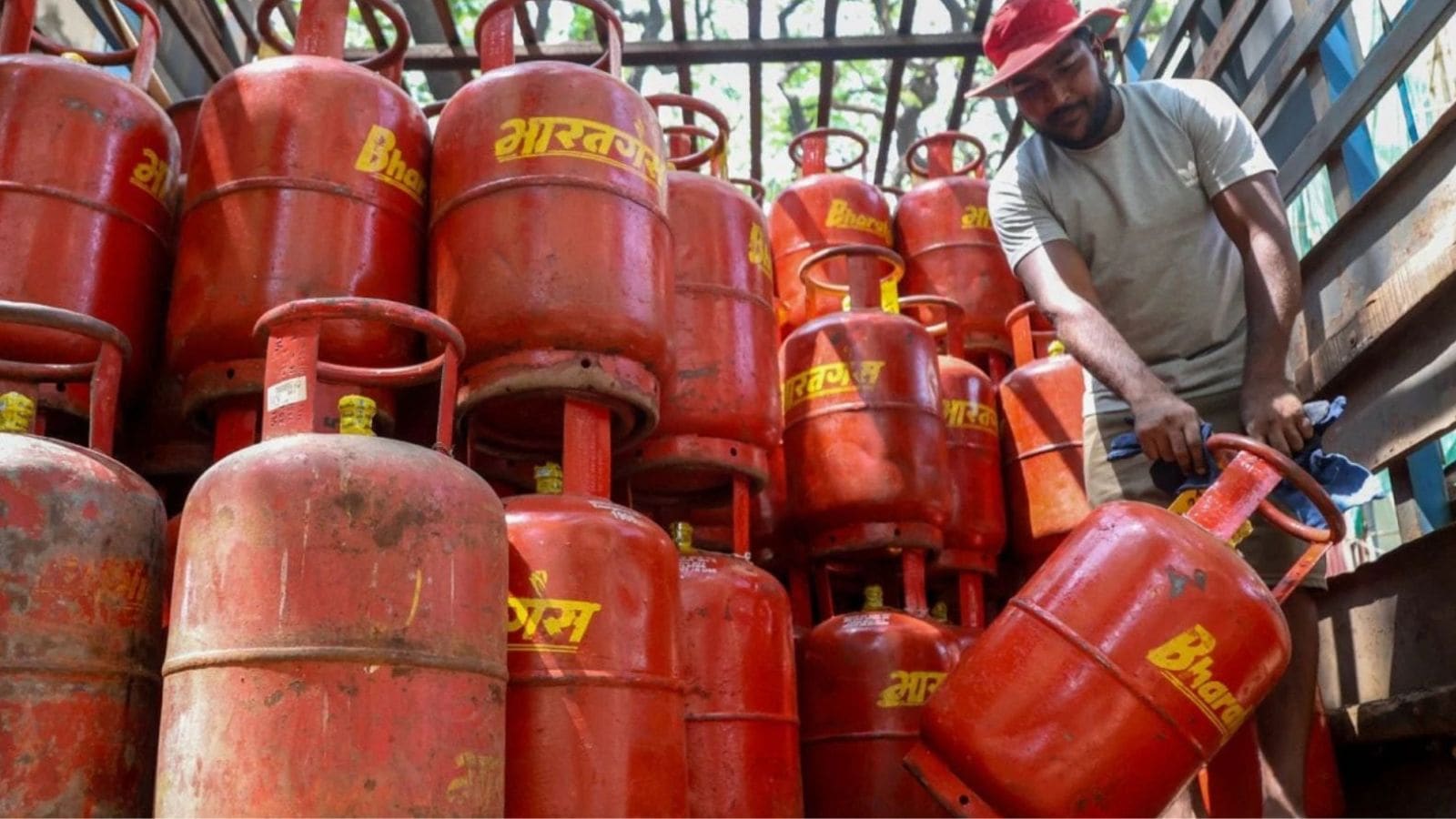
In response to severe disruptions in liquefied petroleum gas (LPG) supplies caused by the ongoing conflict in West Asia and the closure of the Strait of Hormuz, the central government has approved an additional 20% allocation of commercial LPG to states and union territories. This allocation is specifically targeted at restaurants, dhabas, hotels, industrial canteens, food processing units, dairy sectors, subsidized canteens, and community kitchens, which have been particularly affected by the supply cuts. The government is also prioritizing household LPG supplies and promoting a shift to piped natural gas (PNG) to alleviate pressure on LPG demand.
To manage the allocation and encourage a transition to PNG, the government has mandated that commercial and industrial LPG consumers register with public sector fuel retailers and apply for PNG connections to remain eligible for commercial LPG. This move aims to streamline LPG distribution and incentivize a broader adoption of PNG infrastructure.
Key Points:
- The Centre has approved an additional 20% allocation of commercial LPG to states and union territories for critical sectors.
- Commercial LPG allocation to states can now be up to 50% of the estimated requirement.
- The move is in response to disruptions in LPG supplies due to the West Asia war and the closure of the Strait of Hormuz.
- Commercial and industrial LPG consumers must register with public sector oil marketing companies and apply for PNG connections to remain eligible for LPG supplies.
- Domestic LPG production has increased by around 40% compared to pre-war levels, covering approximately 16% of the country’s overall LPG demand.
- Over 1.25 lakh new natural gas connections have been given recently, and over 5,600 LPG consumers have shifted to PNG.
Critical Analysis:
The government’s decision to allocate additional LPG while simultaneously pushing for PNG adoption reveals a multi-pronged strategy to manage energy supply during a crisis. Prioritizing household LPG while incentivizing commercial users to switch to PNG demonstrates a calculated effort to minimize public disruption while addressing long-term energy security.
Key Takeaways:
- Geopolitical events significantly impact India’s energy supply chain, particularly LPG imports.
- The government is actively managing LPG distribution by prioritizing household needs and incentivizing a shift to PNG.
- The promotion of PNG infrastructure is a long-term strategy to diversify energy sources and reduce dependence on LPG imports.
- Increased domestic LPG production is helping to mitigate the impact of supply disruptions, but import dependence remains a vulnerability.
Impact Analysis:
The increased allocation of commercial LPG, coupled with the push for PNG adoption, is likely to have several long-term impacts:
- Economic Stability for Small Businesses: The additional LPG allocation will provide much-needed relief to restaurants, hotels, and other small-scale businesses that rely heavily on commercial LPG, preventing potential closures and job losses.
- Accelerated PNG Infrastructure Development: The government’s incentives and mandates will likely accelerate the expansion of PNG infrastructure across the country, leading to greater access to piped natural gas for both commercial and residential consumers.
- Reduced LPG Import Dependence: The shift to PNG will gradually reduce India’s dependence on LPG imports, enhancing energy security and mitigating the impact of future geopolitical disruptions.
- Environmental Benefits: Natural gas is a cleaner-burning fuel than LPG, so increased PNG usage will contribute to improved air quality and reduced carbon emissions.
- Long-Term Energy Resilience: By diversifying its energy sources and promoting domestic production, India will become more resilient to future energy shocks and geopolitical instability.
 First Piper