
Sat Mar 21 11:06:40 UTC 2026: Headline: PM Modi Engages in Intense Diplomatic Efforts as West Asia Conflict Escalates
The Story:
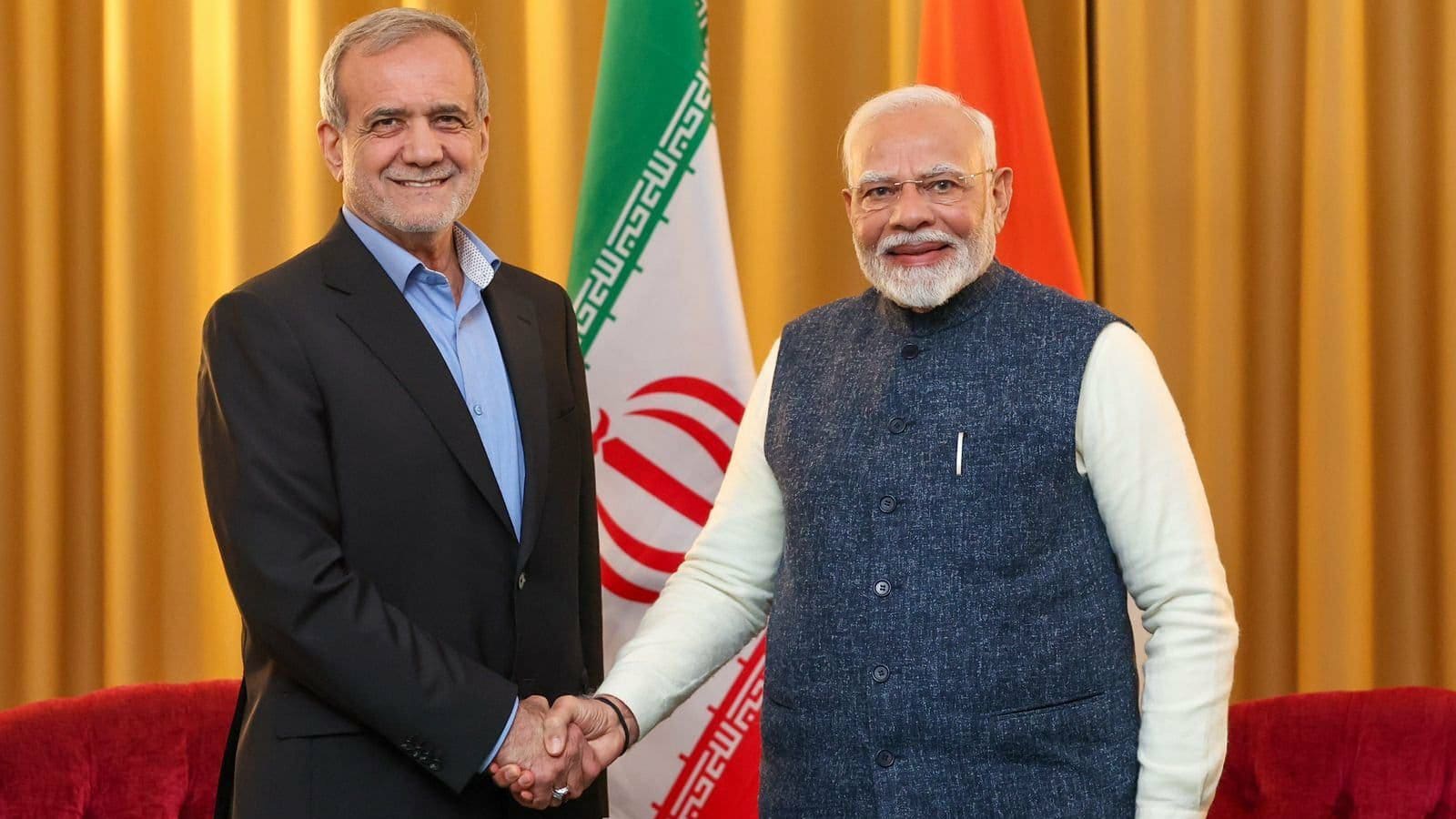
As the conflict in West Asia enters its third week, Indian Prime Minister Narendra Modi is actively engaging in diplomatic efforts to mitigate the crisis. He spoke with Iranian President Masoud Pezeshkian on Saturday, expressing concerns over attacks on critical infrastructure, particularly oil and gas facilities, and emphasizing the importance of freedom of navigation in the Strait of Hormuz, which is currently under Iranian influence. This marks Modi’s second conversation with Pezeshkian since the war began on February 28, following attacks by the US and Israel on Iran, and subsequent retaliatory actions by Tehran against Israel and US interests in the Gulf region.
India is navigating a delicate diplomatic situation, balancing its reliance on Israel for defense supplies with its strategic partnerships in the Gulf and historical ties with Iran. The priority is ensuring the safety of Indian nationals and securing the passage of Indian ships through the Strait of Hormuz.
Key Points:
- Prime Minister Modi spoke with Iranian President Masoud Pezeshkian, expressing concern over attacks on critical infrastructure and freedom of navigation.
- This is Modi’s second conversation with Pezeshkian since the war began on February 28.
- India has been engaged in diplomatic efforts to secure the safe passage of Indian ships through the Strait of Hormuz.
- 22 Indian merchant vessels are currently stuck in the Persian Gulf, most of which are oil and gas tankers.
- The Indian Embassy in Iran has facilitated the movement of 913 Indian nationals to neighboring countries.
- External Affairs Minister S Jaishankar has spoken to Iranian Foreign Minister Seyed Abbas Araghchi four times since the conflict began.
- Modi has spoken to leaders from the UAE, Qatar, Saudi Arabia, Kuwait, Bahrain, Oman, Jordan, and Israel, condemning Iranian attacks.
Key Takeaways:
- The conflict in West Asia is escalating, posing a significant threat to regional stability and global supply chains.
- India is deeply concerned about the safety of its nationals and the security of its maritime trade routes.
- India is actively engaged in diplomatic efforts to de-escalate the conflict and protect its interests.
- The Strait of Hormuz remains a critical chokepoint, with potential for significant disruption to global energy markets.
- India is walking a diplomatic tightrope, balancing relationships with multiple countries with conflicting interests in the region.
Impact Analysis:
- The ongoing conflict in West Asia poses a significant threat to global energy supplies, potentially leading to higher prices and economic instability.
- India’s diplomatic efforts could play a crucial role in de-escalating the conflict and preventing further escalation.
- The security of the Strait of Hormuz is paramount for India’s energy security and economic interests.
- The crisis highlights India’s growing importance as a regional power and its ability to navigate complex geopolitical challenges.
- The long-term impact of the conflict on India’s relationships with Israel, Iran, and Gulf states remains to be seen, but it could lead to a realignment of strategic partnerships in the region.
 First Piper