
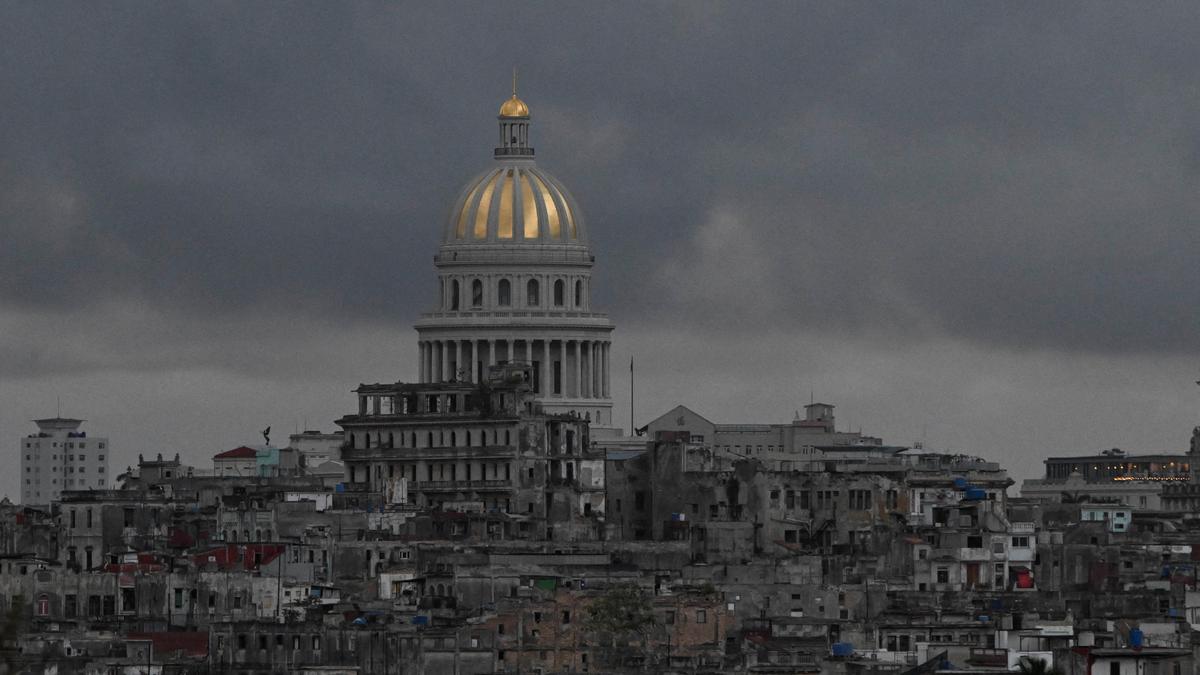
Sun Mar 22 05:14:08 UTC 2026: # Russia Defies US Blockade with Oil Shipment to Energy-Starved Cuba Amid National Blackout
The Story: A Russian government-owned tanker, the Anatoly Kolodkin, carrying approximately 730,000 barrels of crude oil, is en route to Cuba in defiance of the U.S. embargo under the Trump administration. This shipment arrives as Cuba is grappling with a nationwide blackout affecting 10 million people, triggered by the collapse of its aging electrical grid. The energy crisis is exacerbated by U.S. sanctions and the cessation of oil supplies from Venezuela and Mexico following U.S. pressure.
Key Points:
- The Anatoly Kolodkin, owned by the Russian government, is carrying 730,000 barrels of crude oil to Cuba.
- Another ship, the Sea Horse, carrying 200,000 barrels of gas oil, halted its journey to Cuba, likely fearing U.S. repercussions.
- Cuba’s electrical grid collapsed, leaving 10 million people without power.
- Donald Trump has threatened further action against Cuba, including potentially “taking” the island.
- U.S. policy towards Cuba is heavily influenced by Secretary of State Marco Rubio, who advocates for regime change.
- Cuba’s oil supply from Venezuela dropped to zero after Nicolas Maduro’s abduction in early January 2026.
- Cuba is in discussions with Washington D.C. and has expressed openness to economic changes and foreign investment.
Critical Analysis:
The Russian oil shipment to Cuba is a direct challenge to the U.S. embargo and a strategic move to support a key ally in the face of increasing pressure. The timing is crucial, coinciding with Cuba’s severe energy crisis and Trump’s heightened rhetoric. Russia’s action can be seen as an attempt to counterbalance U.S. influence in the region and assert its own geopolitical interests. The situation is further complicated by the ongoing Iran-Israel war and the closure of the Strait of Hormuz, suggesting a broader pattern of escalating global tensions and resource conflicts.
Key Takeaways:
- The U.S. embargo is severely impacting Cuba’s energy security and overall stability.
- Russia is actively working to counter U.S. foreign policy by providing essential resources to sanctioned nations.
- The crisis highlights the vulnerability of Cuba’s infrastructure and its reliance on external energy sources.
- Trump administration’s hard-line stance is escalating tensions with Cuba and potentially inviting further foreign intervention.
- The situation reflects a broader global trend of resource scarcity and geopolitical competition.
Impact Analysis:
- Short-Term: The Russian oil shipment will provide temporary relief to Cuba’s energy crisis, offering a “breathing room of no more than 30 days,” according to experts.
- Medium-Term: The crisis could force Cuba to accelerate its economic reforms and seek alternative energy sources. It could also lead to increased tensions between the U.S. and Russia, potentially triggering further sanctions or diplomatic confrontations.
- Long-Term: The situation could reshape geopolitical alignments in the region, with Russia potentially gaining a stronger foothold in Latin America. The failure of the U.S. embargo to achieve its stated goals could prompt a reassessment of U.S. foreign policy towards Cuba. The crisis also underscores the need for international cooperation in addressing energy security and mitigating the impact of sanctions on vulnerable populations.
 First Piper