
Sun Mar 22 06:52:13 UTC 2026: ### Headline: Iran Launches Missile Attack on Jerusalem Amid Escalating Conflict
The Story:
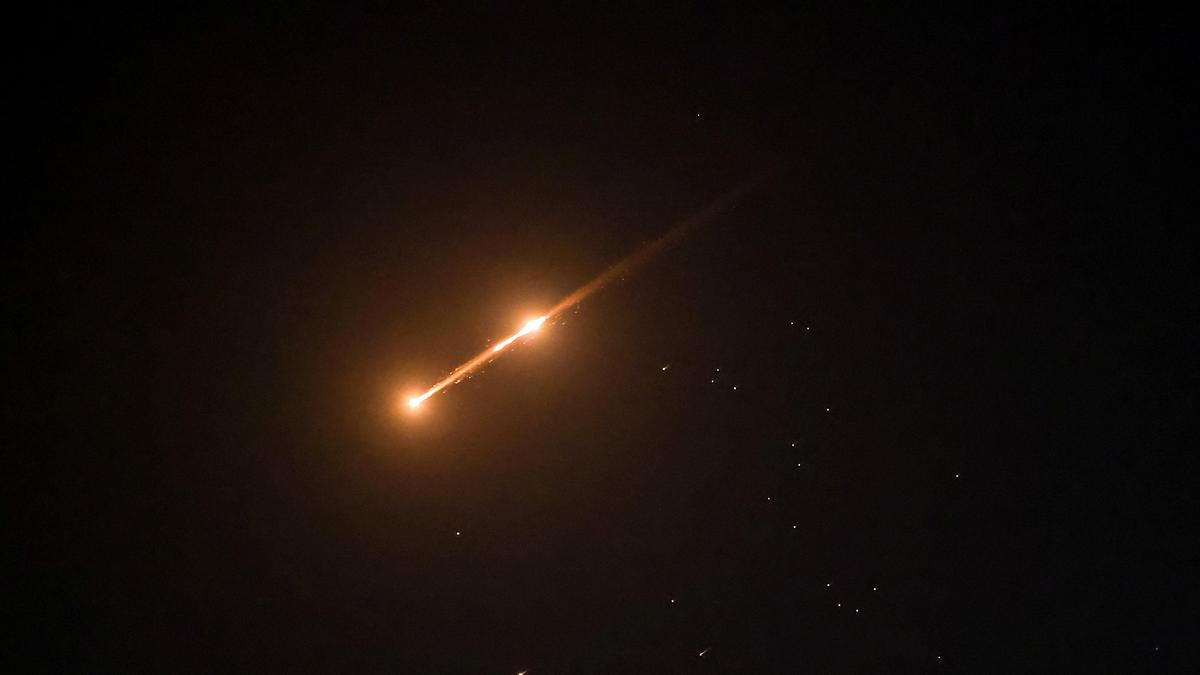
On Sunday, March 22, 2026, Jerusalem experienced blasts and air raid sirens as Iranian missiles were launched toward Israel. The Israeli military confirmed the missile launches, reporting that missiles were fired “from Iran toward the territory of the State of Israel.” This attack follows a previous Iranian missile strike on southern Israel on Saturday, March 21, 2026, which resulted in numerous casualties. The escalating conflict between Iran, the U.S., and Israel continues to intensify, with both sides exchanging strikes on each other’s territories.
Key Points:
- Missiles were launched from Iran toward Israel on March 22, 2026, targeting Jerusalem.
- Israel’s Magen David Adom emergency service reported no immediate casualties in Jerusalem.
- The Israeli military is attending to “impact sites” in central Israel, with reports of light damage in Holon near Tel Aviv.
- On March 21, 2026, Iranian missiles struck Dimona and Arad in southern Israel, injuring 175 people, including children.
- Iran claimed the strike on Dimona, which houses a nuclear facility, was retaliation for an earlier strike on its Natanz nuclear site.
- The Israeli military is investigating why air defense systems failed to intercept the incoming missiles.
Critical Analysis:
The attacks and counter-attacks suggest a dangerous escalation of the conflict. Iran’s stated justification for targeting Dimona highlights the nuclear facilities as key strategic targets. The failure of Israeli air defense systems to intercept the incoming missiles raises serious questions about Israel’s defense capabilities and potential vulnerabilities.
Key Takeaways:
- The conflict between Iran, the U.S., and Israel is rapidly escalating with direct missile strikes on each other’s territories.
- Nuclear facilities are becoming primary targets in this conflict, raising the stakes and potential consequences.
- The effectiveness of air defense systems is under scrutiny, potentially leading to a reassessment of defensive strategies.
- The strikes on civilian areas indicate a disregard for civilian lives and an increased risk of further casualties.
- The international community will likely face mounting pressure to intervene and de-escalate the situation.
Impact Analysis:
This event series has significant long-term implications:
- Regional Instability: The exchange of missile strikes exacerbates regional instability, potentially drawing in other countries and non-state actors.
- Nuclear Proliferation: The targeting of nuclear facilities could accelerate the pursuit of nuclear weapons by regional actors, further destabilizing the region.
- Global Security: A full-blown war between Iran, the U.S., and Israel could have far-reaching consequences for global security, impacting energy markets, trade routes, and international relations.
- Diplomatic Fallout: The escalating conflict will likely strain diplomatic relations between the involved countries and their allies, making it more difficult to find a peaceful resolution.
- Humanitarian Crisis: Continued attacks on civilian areas will likely lead to a humanitarian crisis, with large-scale displacement and suffering.
 First Piper