
Sat Mar 21 16:43:06 UTC 2026: ### Bangladesh Seeks Loans Amid Energy Crisis Sparked by West Asia Conflict
The Story:
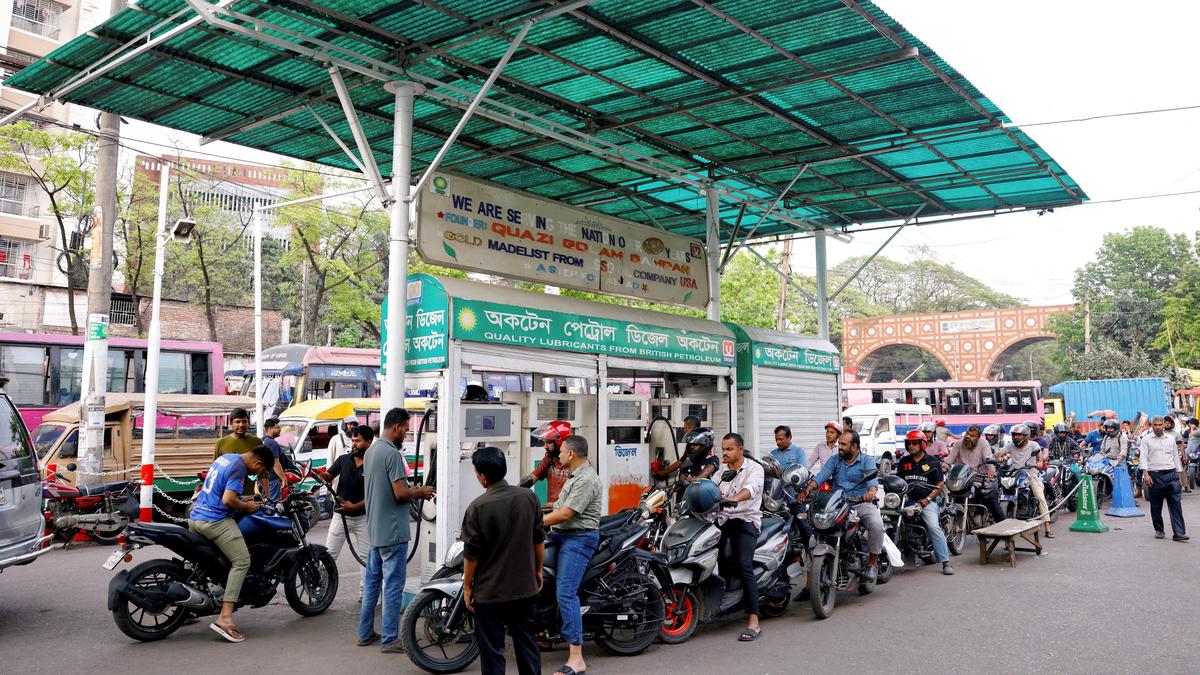
Bangladesh is facing a severe energy crisis exacerbated by the ongoing U.S.-Israel conflict with Iran. The nation, heavily reliant on imported oil and gas, is seeking approximately $2 billion in loans from multilateral agencies like the IMF, ADB, and potentially the World Bank to mitigate the impact of soaring global fuel prices. The government has already implemented measures to curb fuel consumption, including halting production at most fertilizer factories and rationing fuel. With 95% of its oil and gas needs met through imports, primarily from Saudi Arabia, the United Arab Emirates, and West Asia, Bangladesh is now exploring alternative energy sources from North America, South America, and Africa.
Key Points:
* Bangladesh is seeking $2 billion in loans from multilateral agencies to address energy security concerns.
* The IMF has committed $1.3 billion, and the ADB has pledged $500 million in budget support.
* The country imports 95% of its oil and gas, primarily from Saudi Arabia, the United Arab Emirates, and West Asia.
* The government has already taken measures to curb fuel consumption, including halting fertilizer production.
* Bangladesh is exploring alternative energy sources from North America, South America, and Africa.
* India is supplying diesel to Bangladesh via the ‘Friendship Pipeline’.
Critical Analysis:
The convergence of several factors has created a perfect storm for Bangladesh’s energy security. The U.S.-Israel conflict with Iran has disrupted global fuel supplies, driving up prices. Bangladesh’s heavy dependence on imports, particularly from the volatile West Asia region, makes it extremely vulnerable to these disruptions. The historical context of Iran’s President proposing a West Asia security framework to PM Modi is relevant. This suggests attempts are being made to de-escalate the conflict and stabilize the region, but the immediate impact on energy markets is already being felt. The reference to India sending diesel via the ‘Friendship Pipeline’ highlights regional cooperation in mitigating the crisis.
Key Takeaways:
* Geopolitical conflicts in West Asia have a direct and significant impact on the energy security of countries like Bangladesh.
* Over-reliance on imported fuel sources makes nations vulnerable to global price fluctuations and supply disruptions.
* International financial institutions play a crucial role in providing emergency funding to countries facing economic crises.
* Regional cooperation, such as India’s diesel supply, can help mitigate the immediate impact of energy shortages.
* Bangladesh is actively seeking diversification of its energy sources to reduce its dependence on the volatile West Asia region.
Impact Analysis:
This event series has significant long-term implications for Bangladesh. The reliance on loans to address the energy crisis could lead to increased national debt and economic strain. The exploration of alternative energy sources represents a potential shift towards greater energy independence and sustainability. The conflict in West Asia underscores the need for Bangladesh to invest in renewable energy and diversify its energy portfolio to reduce its vulnerability to geopolitical instability. The long-term sustainability of Bangladesh’s economy will depend on its ability to secure stable and affordable energy supplies.
 First Piper