
Sat Mar 21 14:17:41 UTC 2026: ### AI Adoption in Indian Healthcare Faces Hurdles Despite Promising Applications
The Story:
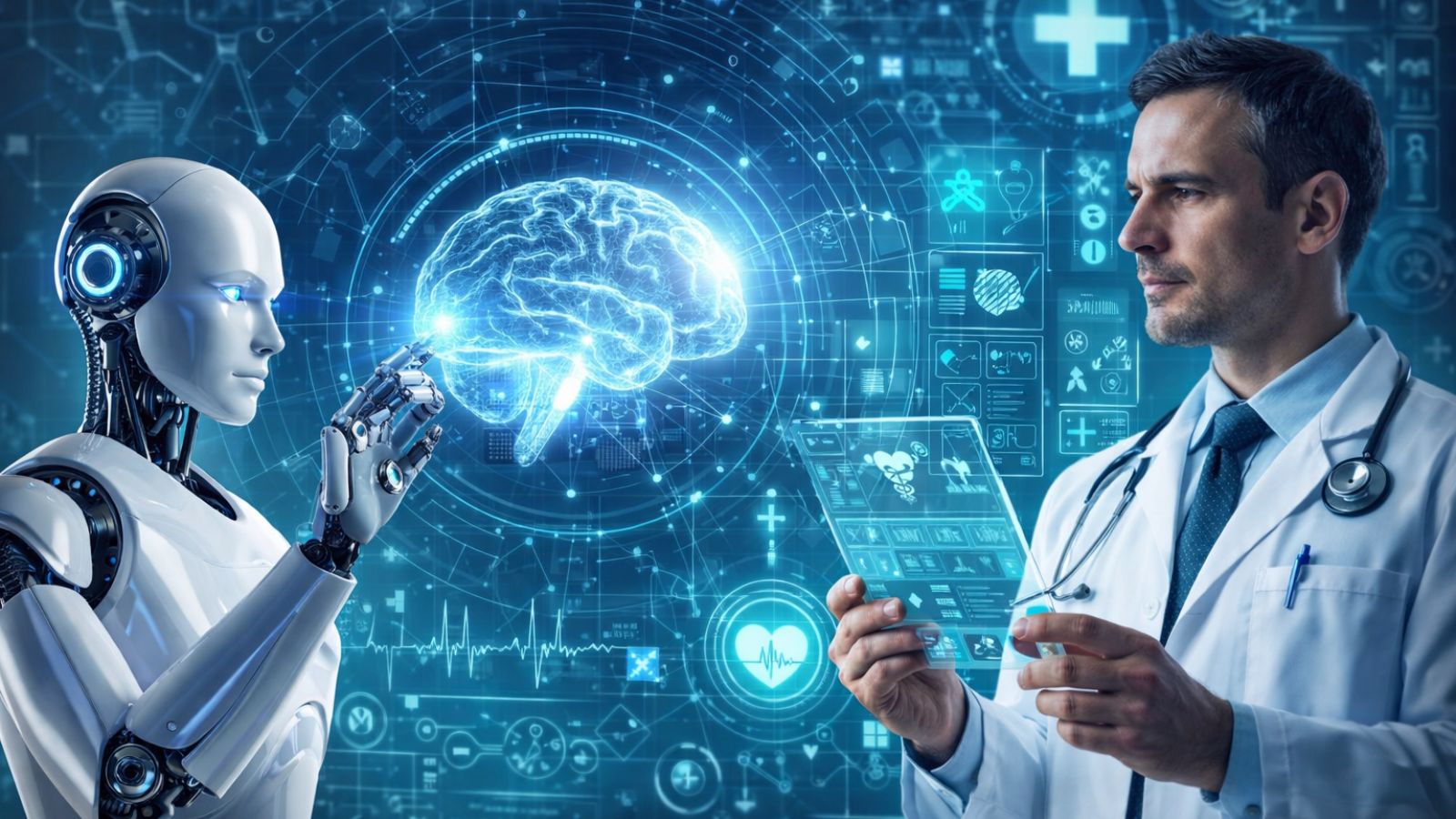
Artificial Intelligence is increasingly being used in Indian healthcare, particularly with large language models (LLMs), aiding in tasks such as generating discharge summaries and standardizing clinical documentation. However, complete integration into hospital systems is hindered by challenges including high costs, lack of governance, concerns over patient data protection, and the absence of a standardized Clinical Decision Support System (CDSS) framework. Experts highlight the complexity of translating clinical reasoning into AI algorithms and the need for extensive, standardized data for reliable outputs.
Despite these challenges, AI shows promise in simpler, repetitive tasks like ICD coding and in diagnostics, particularly for diabetic retinopathy and cataract surgeries. While AI is seen as a powerful support system, especially where specialist expertise is limited, experts emphasize that it should not replace clinicians but rather augment their capabilities, with the human element of trust, empathy, and communication remaining paramount in medical practice.
Key Points:
- AI is being used to generate grammatically correct and well-structured discharge summaries.
- Dr. Urvi Shukla of Aditya Birla Hospital notes challenges like high integration costs, lack of governance, and patient data protection.
- A standardized Clinical Decision Support System (CDSS) framework is currently lacking.
- AI models require millions of standardized data points, which are often not readily available due to data sharing limitations and non-uniform data formats.
- Doctors express concern over the “black box” nature of AI and its lack of transparency in critical decision-making.
- Dr. Vijay Natarajan of Poona Hospital highlights AI’s current utility in generating discharge summaries and assisting with ICD coding.
- Dr. Aditya Kelkar of the National Institute of Ophthalmology (NIO) acknowledges AI’s promise in diagnostics like diabetic retinopathy.
- Ankit Modi of Qure.ai emphasizes AI as a support system for clinicians, not a replacement.
- Dr. K M Paknikar of COEP Technological University underscores the importance of trust, empathy, and communication in medical practice, which AI cannot replace.
Key Takeaways:
- AI has the potential to streamline administrative tasks and improve efficiency in healthcare settings.
- Significant barriers exist in fully integrating AI into Indian healthcare systems, including cost, data standardization, and governance.
- Transparency and explainability of AI algorithms are crucial for building trust among healthcare professionals.
- AI is most effective in supporting clinicians, not replacing them, particularly in complex medical decision-making.
- Data privacy and security must be prioritized as AI adoption increases in healthcare.
 First Piper