
Sat Mar 21 15:53:08 UTC 2026: # LPG Shortages Disrupt Key Industries in Karnataka, India
The Story:
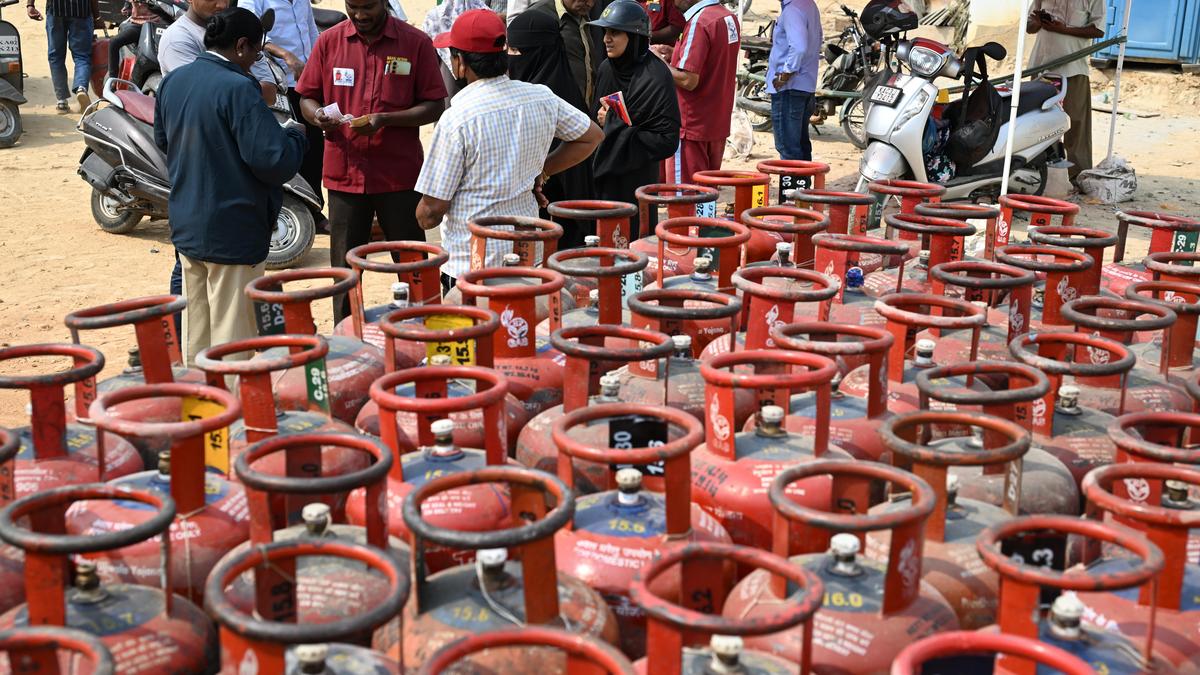
Industries in Karnataka, India, heavily reliant on Liquefied Petroleum Gas (LPG) for heat-based processes, are experiencing significant supply constraints. Battery manufacturing, welding, and forging units have alerted the Federation of Karnataka Chambers of Commerce and Industry (FKCCI) to the disruptions, which are already impacting their day-to-day operations. The issue was discussed at a meeting held on Saturday, March 21, 2026, with FKCCI president Uma Reddy.
Key Points:
- LPG shortages are affecting industries in Karnataka.
- Battery manufacturing, welding, and forging units are particularly impacted.
- The FKCCI has been notified of the disruptions.
- Supply constraints are impacting day-to-day operations.
- The meeting took place on Saturday, March 21, 2026.
Critical Analysis:
The LPG shortages in Karnataka are likely connected to the surge in fuel costs that Air India’s CEO flagged on March 21, 2026. While not directly stated, rising fuel costs can lead to supply chain disruptions and prioritization of fuel for essential services (like aviation), potentially squeezing supplies for industrial uses.
Key Takeaways:
- Rising fuel costs, as highlighted by Air India, are having a tangible impact on industrial operations in India.
- The LPG shortage illustrates the vulnerability of industries reliant on specific fuel sources.
- The FKCCI’s involvement suggests a growing concern within the business community in Karnataka.
- This situation might force industries to seek alternative energy sources or improve energy efficiency.
Impact Analysis:
The LPG shortages, coupled with rising fuel costs and warnings from Air India, suggest a broader energy crisis potentially unfolding in India. The long-term impact could include:
- Increased operational costs for affected industries: Leading to potential price increases for consumers.
- Supply chain disruptions: Affecting not only the immediate industries but also downstream sectors.
- Shift towards alternative energy sources: Accelerating the adoption of renewable energy and other alternatives.
- Government intervention: Potentially leading to policies aimed at stabilizing fuel prices and ensuring supply security.
- Economic slowdown: If the energy crisis deepens, it could contribute to a broader economic downturn.
 First Piper