
Sat Mar 21 13:55:41 UTC 2026: ### BRICS Divided as Iran Urges Intervention in US-Israeli Conflict
The Story:
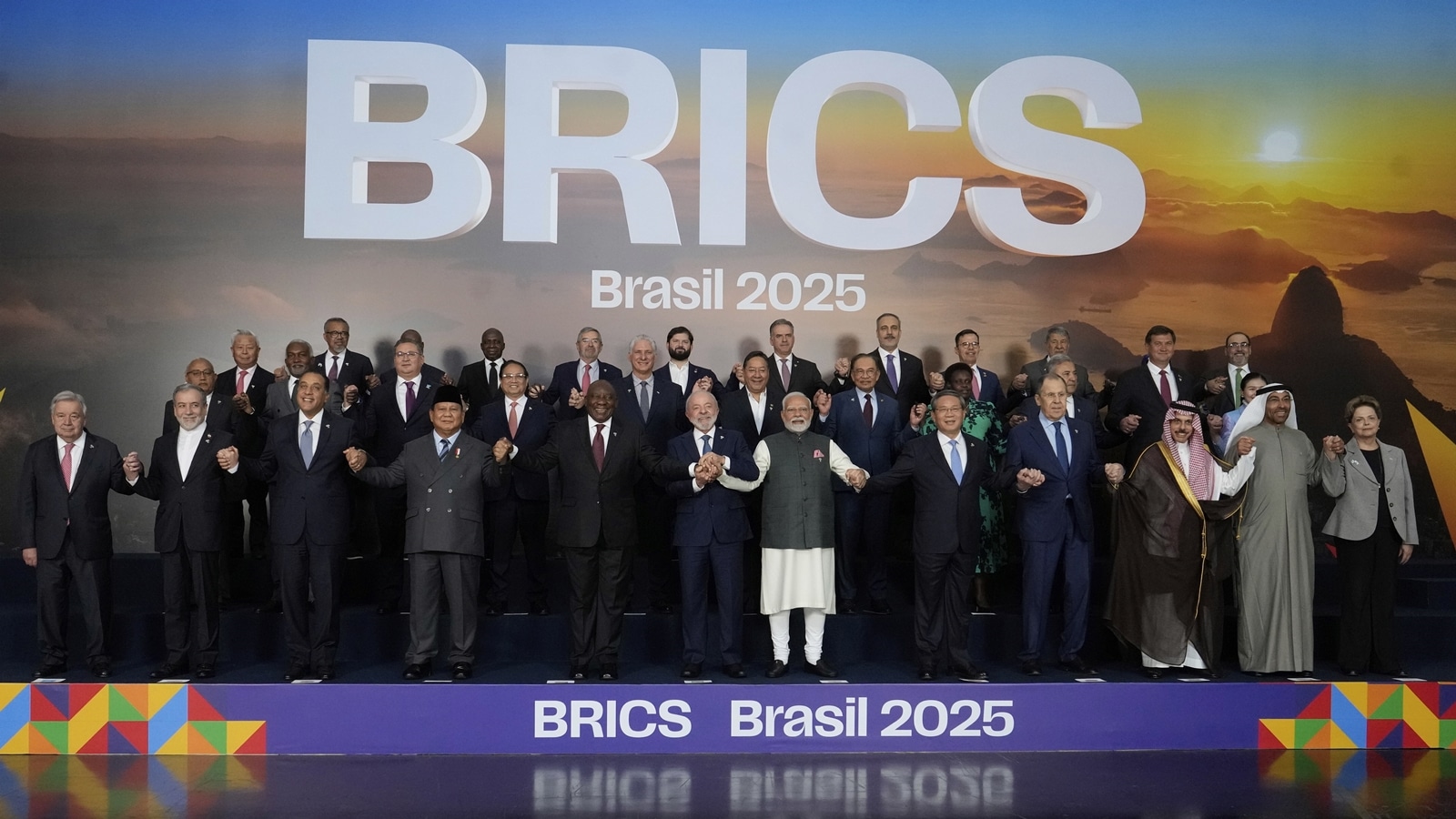
As the US-Israeli conflict with Iran escalates, Tehran is appealing to the BRICS bloc for intervention and condemnation of what it terms “military aggression.” However, the bloc, chaired by India, is facing internal divisions and conflicting interests, limiting its ability to respond effectively. While Iran, a new member of BRICS in 2024, seeks a strong collective stance, other members, particularly Gulf nations like the UAE and Saudi Arabia, are wary of antagonizing the United States, highlighting the challenges in forging a unified response.
Key Points:
* Iran has requested BRICS intervention to condemn US-Israeli actions.
* India, as chair of BRICS, is facilitating discussions but has avoided taking sides, urging de-escalation.
* Internal divisions within BRICS, particularly regarding relations with Iran and the United States, hinder consensus.
* Experts suggest BRICS‘ ability to respond is limited, and a joint statement is unlikely.
* Iran has allowed India-flagged vessels passage through the Strait of Hormuz on a case-by-case basis, possibly expecting reciprocal political signaling.
* India is balancing the need to address the crisis with the positions of other regional members like Saudi Arabia and the UAE.
Key Takeaways:
* The US-Israeli conflict with Iran is exposing the limitations and internal divisions within the BRICS bloc.
* India‘s role as chair is complicated by the conflicting interests of BRICS members and its own strategic considerations.
* The crisis highlights the difference between BRICS as an economic forum versus a unified security alliance.
* The conflict is testing BRICS‘ ability to act as a cohesive force on the global stage.
* The situation underscores the reduced leverage of multilateral forums in influencing state actions.
Impact Analysis:
The BRICS‘s inability to present a united front in the face of the US-Israeli conflict with Iran significantly impacts the bloc’s credibility as a significant geopolitical player. This failure could lead to:
- Diminished Influence: The perceived weakness can reduce BRICS‘ influence on global political and security issues.
- Internal Reassessment: Member states may reassess their expectations and commitments to the bloc, potentially leading to a shift in priorities.
- Geopolitical Realignment: The crisis can accelerate the realignment of alliances, with countries prioritizing bilateral relationships over multilateral commitments.
- Regional Instability: The lack of a unified response may embolden further escalations in the Middle East, increasing regional instability.
- India’s Diplomatic Challenges: India‘s role as a mediator and its ability to balance competing interests will be heavily scrutinized, potentially impacting its diplomatic standing.
 First Piper