
Sat Mar 21 02:00:16 UTC 2026: Headline: U.S. Issues Sanctions Waiver for Iranian Oil Amidst U.S.-Israeli War, Citing Energy Supply Pressures
The Story:
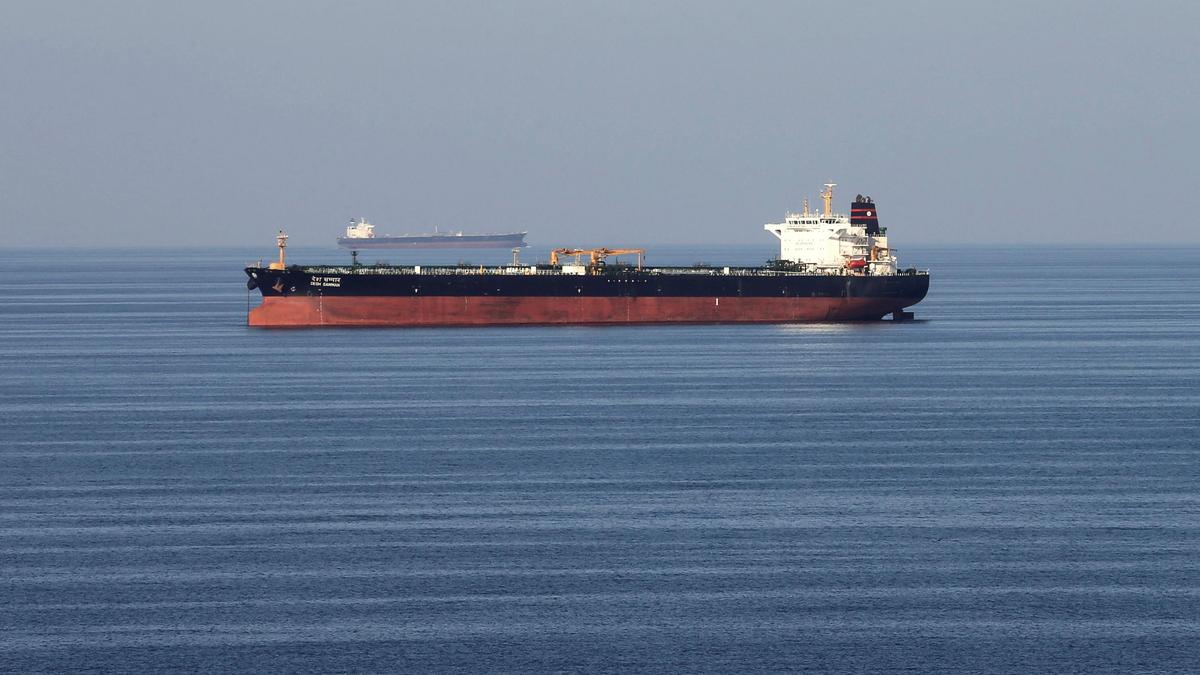
On March 20, 2026, the U.S. government, under Treasury Secretary Scott Bessent, issued a 30-day sanctions waiver allowing the sale of Iranian crude oil and petroleum products loaded on vessels between March 20 and April 19, 2026. This move comes as the third temporary sanctions waiver in approximately two weeks, following similar actions related to Russian oil. The stated reason for this decision is to alleviate energy supply pressures resulting from the ongoing U.S.-Israeli war on Iran.
Key Points:
- The U.S. issued a 30-day sanctions waiver for Iranian oil sales, effective March 20, 2026.
- Treasury Secretary Scott Bessent announced the waiver, citing energy supply pressures due to the U.S.-Israeli war on Iran.
- This is the third temporary sanctions waiver issued by the U.S. in about two weeks.
- The U.S. aims to introduce approximately 140 million barrels of oil to the global market.
- The U.S. intends to use Iranian oil to keep prices down as part of “Operation Epic Fury.”
Critical Analysis:
The U.S. is strategically manipulating the oil market to mitigate the economic impact of the war with Iran. By temporarily releasing Iranian oil, the U.S. seeks to stabilize prices and potentially undermine Iran’s revenue streams, which directly funds war efforts. The phrase “using the Iranian barrels against Tehran” reveals the calculated nature of this maneuver. The timing and context strongly suggest a coordinated effort to manage global energy markets while simultaneously prosecuting a military conflict.
Key Takeaways:
- The U.S.-Israeli war on Iran is significantly impacting global energy markets.
- The U.S. is employing economic tools, specifically sanctions waivers, as part of its broader war strategy.
- The release of Iranian oil is intended to stabilize prices and potentially hurt Iran’s economy.
- Geopolitical conflicts can have immediate and significant effects on global commodity markets.
- The U.S. is willing to take seemingly contradictory actions (waiving sanctions while at war) to achieve its strategic objectives.
Impact Analysis:
The short-term impact of this waiver will likely be a stabilization, or even a slight decrease, in global oil prices. This could provide relief to consumers and businesses worldwide. However, the long-term implications are more complex.
- Geopolitical Instability: The waiver highlights the volatility of the region and the potential for further disruptions to energy supplies.
- Market Manipulation: The U.S. action sets a precedent for using sanctions and waivers as tools for market manipulation during times of conflict.
- Iran’s Response: Iran’s reaction to this maneuver remains to be seen. They may seek to circumvent the waiver or retaliate through other means, potentially escalating tensions.
- Future Sanctions: The temporary nature of the waiver suggests that sanctions could be reinstated or modified depending on the progress of the war and market conditions.
- Energy Security: Countries dependent on oil imports will need to reassess their energy security strategies in light of these developments.
 First Piper