
Sat Mar 21 13:54:21 UTC 2026: # US and Israel Strike Iran’s Natanz Nuclear Facility Amidst Ongoing Conflict
The Story
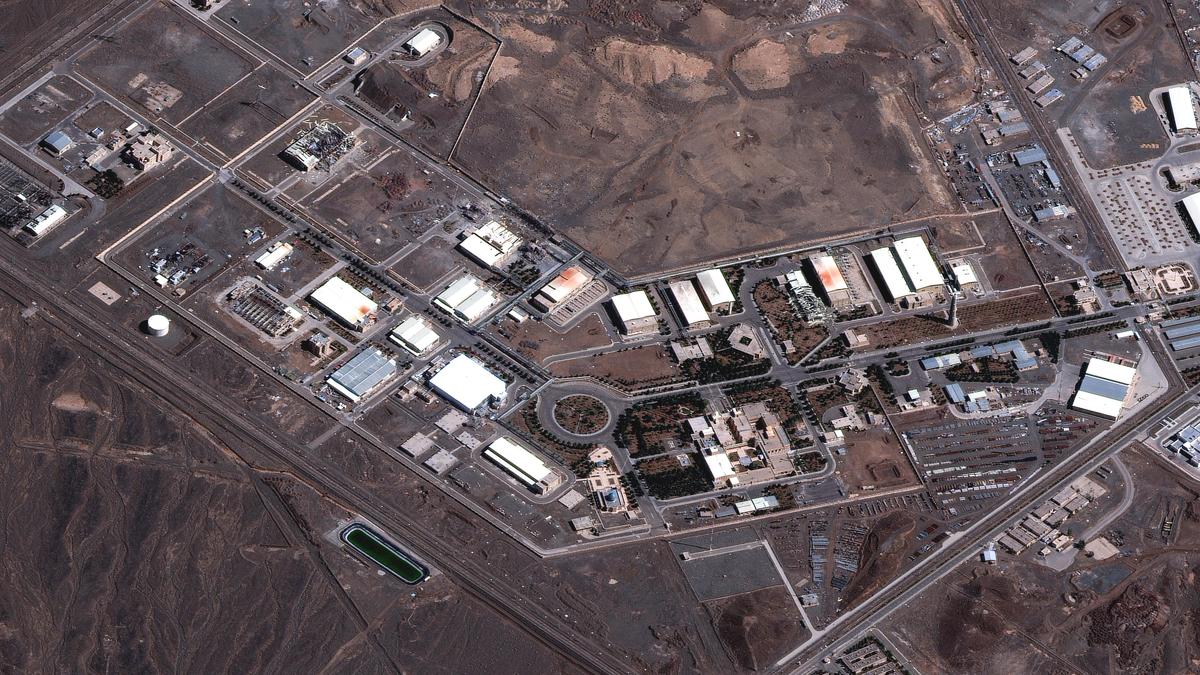
On Saturday, March 21, 2026, the Natanz nuclear complex in Iran was reportedly struck by the United States and Israel, according to Iran’s atomic energy organization. The organization stated that the attack, which occurred that morning, was a “criminal attack” by the U.S. and the “usurping Zionist regime.” They also asserted that there was “no leakage of radioactive materials reported.” The Russian Foreign Ministry condemned the attack as a “blatant violation of international law.” The Natanz facility, located about 220 kilometers (135 miles) southeast of Tehran, had previously been targeted by Israeli airstrikes during the 12-day war between Iran and Israel in June 2025, and by the United States.
Key Points
- The United States and Israel struck Iran’s Natanz nuclear facility on March 21, 2026.
- Iran’s atomic energy organization reported the attack, labeling it as a “criminal attack” by the U.S. and Israel.
- The organization claimed that there was “no leakage of radioactive materials reported.”
- The Russian Foreign Ministry condemned the attack as a “blatant violation of international law.”
- The Natanz facility had been previously targeted in June 2025 during the Iran-Israel war.
Critical Analysis
The attack on the Natanz nuclear facility, following closely on the heels of reports of heightened tensions in the Strait of Hormuz and escalating military actions, underscores the precarious state of affairs in the region. Trump invoking Pearl Harbor to defend the Iran attack secrecy highlights the domestic political considerations intertwined with the international conflict. The timing of the strike, amidst calls for BRICS nations to intervene, suggests a strategic attempt by the US and Israel to potentially preempt international mediation efforts and further degrade Iran’s nuclear capabilities.
Key Takeaways
- The attack signifies a major escalation in the ongoing conflict between Iran, the U.S., and Israel.
- The repeated targeting of the Natanz facility indicates its strategic importance in Iran’s nuclear program.
- International condemnation from Russia highlights the growing geopolitical rifts surrounding the conflict.
- The domestic political context in the U.S., as evidenced by Trump’s remarks, is significantly influencing foreign policy decisions.
- The situation is highly volatile, with potential for further escalation and broader international involvement.
Impact Analysis
This event is likely to have significant long-term implications. The attack will almost certainly further destabilize the region, potentially leading to retaliatory actions from Iran and further escalation of the conflict. It could also jeopardize any future attempts at nuclear negotiations and further isolate Iran on the international stage. The condemnation from Russia indicates a potential realignment of global powers and could lead to further geopolitical tensions. Finally, the attack could spur Iran to accelerate its nuclear program, despite international efforts to curb it.
 First Piper