
Mon Mar 16 10:11:50 UTC 2026: # Scientific Breakthroughs and Setbacks Highlighted in Latest Research
The Story:
A new compilation of scientific findings reveals both progress and unexpected challenges in various fields. Research on Saturn’s moon Titan suggests that acrylonitrile, an organic compound thought to form cell-like structures in its lakes, is unlikely to do so based on new experimental evidence. In contrast, researchers have made strides in developing innovative vaccination strategies for bats, aiming to prevent viruses from jumping to humans. These strategies involve using irradiated mosquitoes as vaccine carriers and vaccine-laced salt traps. Finally, scientists have pinpointed the enzymatic process responsible for the unique aroma of ripening bananas.
Key Points:
- Experiments contradict previous theories about acrylonitrile forming cell membranes in Titan’s lakes.
- Researchers are exploring “ecological” methods to vaccinate bats against rabies and Nipah viruses.
- These methods include using irradiated mosquitoes and vaccine-laced salt traps.
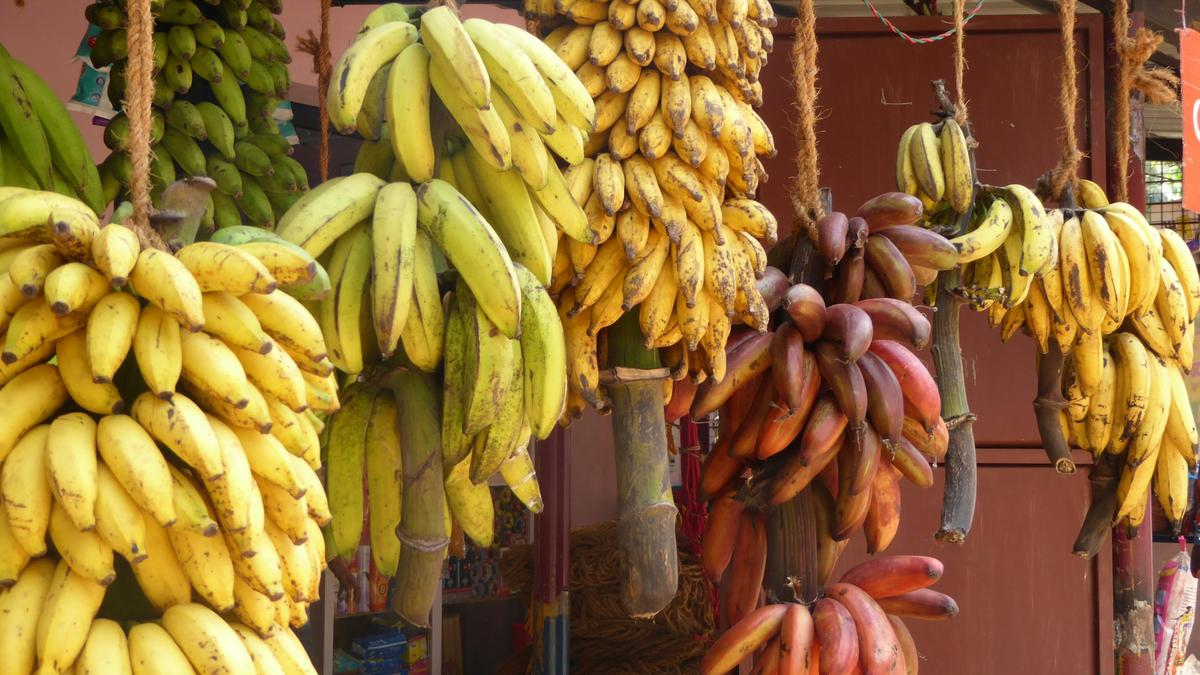
- The unique scent of ripening bananas is attributed to alternative splicing in two enzymes, AHAS and IPMS.
- This splicing process removes regulatory “off” switches, causing continuous production of scent precursors.
Key Takeaways:
- Scientific understanding is constantly evolving, and initial hypotheses can be challenged by new evidence.
- Innovative approaches are being developed to address the threat of zoonotic diseases.
- Understanding fundamental biological processes, such as enzyme regulation, can explain seemingly simple phenomena like the scent of a banana.
- The interdisciplinary nature of scientific research is crucial for advancements, combining fields like biology, chemistry, and ecology.
 First Piper