
Sat Mar 21 10:47:38 UTC 2026: ### Headline: Indian Seafarers Stranded in Persian Gulf as West Asia Tensions Escalate
The Story:
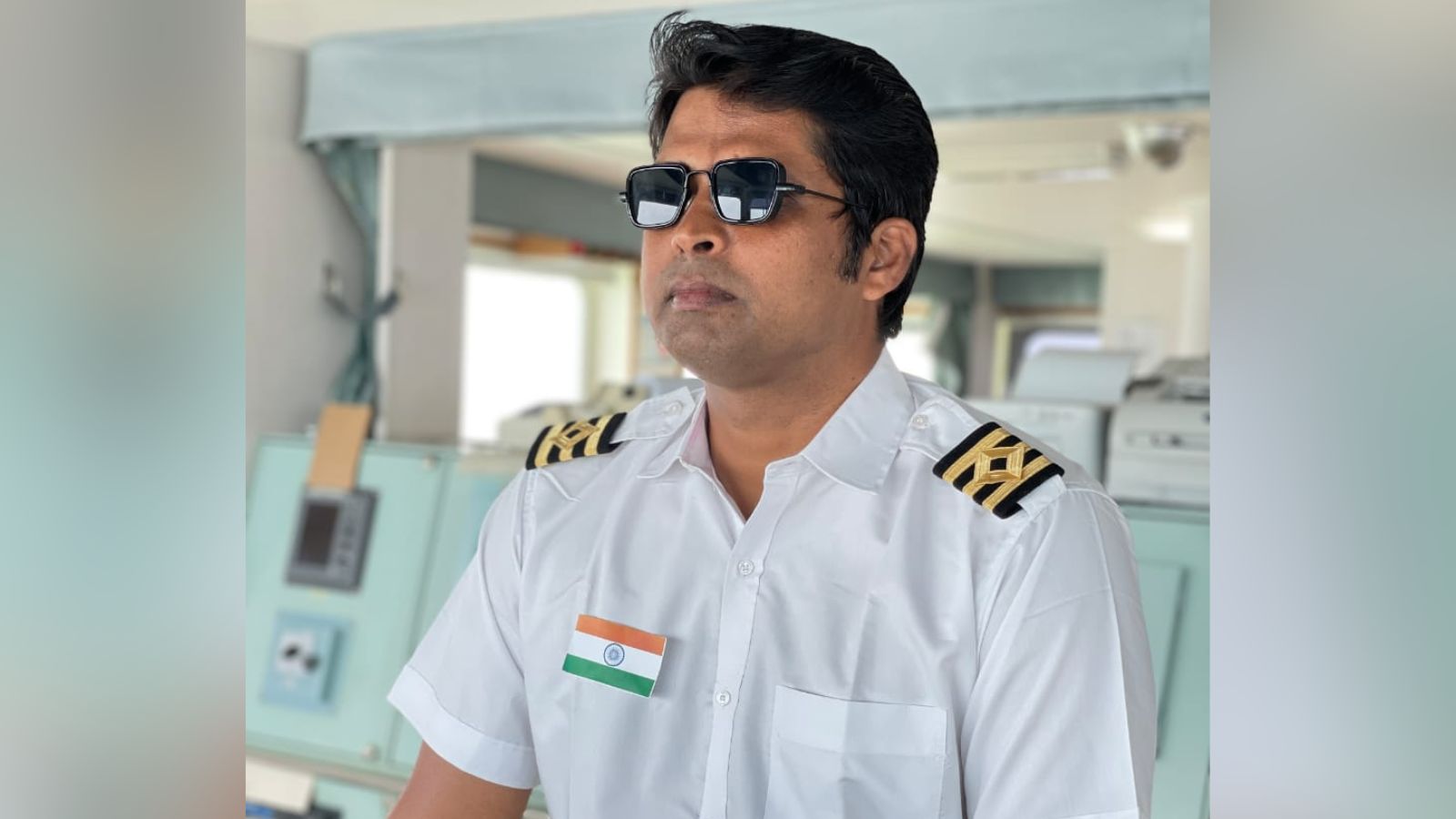
Hundreds of Indian seafarers are awaiting safe passage in the Persian Gulf as the West Asia crisis intensifies. The wife of Ashok Kumar Dixit, a chief officer on an LPG-loaded vessel, has appealed to the Indian Prime Minister and Odisha Chief Minister for assistance in ensuring the safe return of her husband and other crew members. Dixit was scheduled to return home on March 10, 2026, but escalating conflict has left his vessel and others stranded.
The situation is causing immense distress to families back home, with reports of dwindling food and water supplies, unsanitary conditions, and the constant threat of nearby missile activity on the vessels. The shipping company is reportedly working towards securing safe passage, but uncertainty and lack of clear information are exacerbating anxieties.
Key Points:
- Hundreds of Indian seafarers are stranded in the Persian Gulf due to escalating tensions in West Asia.
- Ashok Kumar Dixit, a chief officer on an LPG vessel, is among those awaiting safe passage.
- Dixit’s wife, Smruti Rekha Sahoo, has appealed to the Indian Prime Minister and Odisha Chief Minister for help.
- The stranded crew members are facing challenges, including dwindling supplies, unhygienic conditions, and proximity to missile activity.
- As of March 11, 2026, 28 Indian vessels with 778 seafarers were stuck in the Persian Gulf.
- On March 12, 2026, the MEA reported one Indian seafarer dead.
Critical Analysis:
The events unfolding in the Persian Gulf highlight the vulnerability of international shipping to geopolitical instability. The timeline indicates a rapid escalation of the crisis in early March 2026, impacting the movement of vessels and the safety of seafarers. The mention of missile strikes near vessels suggests a high level of conflict in the region, directly endangering civilian lives and commercial operations. The Odisha government’s efforts to bring back workers from the Gulf, as reported on March 13, 2026, indicate a broader concern for the safety of Indian citizens working in the region.
Key Takeaways:
- Geopolitical conflicts in West Asia are directly impacting the safety and well-being of Indian seafarers.
- The Indian government is under pressure to ensure the safe passage and repatriation of its citizens stranded in conflict zones.
- The crisis underscores the need for robust contingency plans and international cooperation to protect maritime workers during times of conflict.
- Families of seafarers are experiencing significant emotional distress due to the uncertainty and danger.
- The incident highlights the critical role of shipping companies in safeguarding their crews and coordinating with authorities during emergencies.
Impact Analysis:
This event series has significant long-term implications for India’s maritime policy and its relationship with countries in the West Asia region. The crisis may lead to:
- Increased security measures for Indian vessels operating in high-risk areas: This could include enhanced security protocols, real-time monitoring systems, and closer coordination with international naval forces.
- Review of labor agreements and insurance coverage for seafarers: The government may need to strengthen regulations to ensure adequate protection and compensation for Indian citizens working in dangerous maritime environments.
- Diversification of energy supply routes: The disruption to LPG shipments highlights the vulnerability of relying on a single region for critical resources, potentially prompting India to explore alternative supply chains.
- Strengthened diplomatic efforts: India will likely need to engage in active diplomacy with countries in the region to de-escalate tensions and ensure the safety of its citizens and commercial interests.
 First Piper