
Thu Mar 19 10:34:27 UTC 2026: # EV Fire in Indore Raises Safety Concerns Amidst Growing Adoption
The Story:
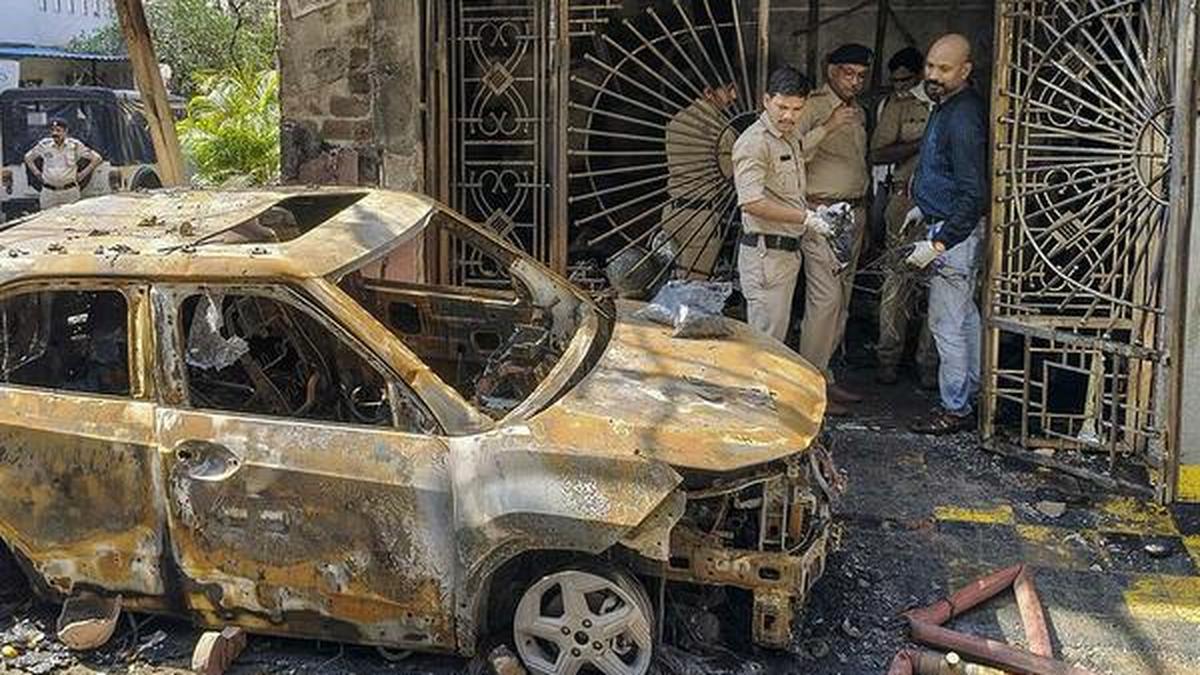
A devastating fire in Indore on March 18, 2026, claimed the lives of eight people, including two children. Preliminary investigations suggest an electric vehicle (EV) charging point outside the house may have triggered the blaze. The incident has reignited concerns about the safety of lithium-ion batteries, which power most EVs and are susceptible to thermal runaway, a chain reaction of overheating cells that can release toxic and flammable gases.
Key Points:
- The fire in Indore resulted in eight fatalities and is suspected to have originated from an EV charging point.
- Lithium-ion batteries are prone to thermal runaway, a dangerous overheating process.
- Factors contributing to EV battery fires include hard impacts, overcharging, manufacturing defects, hot weather, aging batteries, and flooding.
- EV fires burn hotter, spread faster, and are harder to extinguish than petrol car fires.
- Safety measures include improved battery pack design, advanced cooling systems, and solid-state batteries.
- The Bureau of Indian Standards updated EV battery safety norms in 2023 following previous fire incidents.
- The Automotive Research Association of India requires tests to check heat propagation in batteries, giving users at least five minutes to escape before a fire.
Key Takeaways:
- The Indore fire underscores the potential dangers associated with EV battery technology, particularly thermal runaway.
- While EVs are not inherently more dangerous than petrol cars in terms of the frequency of fires, EV battery fires pose unique challenges due to their intensity and difficulty in extinguishing.
- Ongoing research and development are crucial for improving the safety of EV batteries through enhanced cooling systems, solid-state electrolytes, and robust firewalls.
- Users must adhere to safety precautions, including using certified chargers, avoiding unattended charging, and ensuring proper electrical infrastructure.
- Regulatory bodies play a vital role in establishing and enforcing safety standards for EV batteries to mitigate fire risks.
Impact Analysis:
The Indore incident is likely to have several significant long-term impacts:
- Increased Scrutiny: Expect heightened public and regulatory scrutiny of EV battery safety standards and charging infrastructure.
- Policy Revisions: The incident may prompt further revisions to existing safety norms and regulations, potentially impacting EV manufacturers and consumers.
- Consumer Confidence: The fire could temporarily dampen consumer confidence in EVs, particularly in regions with hot climates or unreliable electrical grids.
- Technological Advancements: The incident will likely accelerate research and development efforts focused on enhancing EV battery safety and mitigating fire risks.
- Infrastructure Development: Increased emphasis on safe charging infrastructure, including certified chargers and appropriate electrical systems, is anticipated.
 First Piper