
Sat Mar 21 15:23:59 UTC 2026: # Id-ul-Fitr 2026: A Festival Observed Amidst Contrasting Global Realities
The Story:
The Id-ul-Fitr festival in 2026 is being celebrated worldwide under vastly different circumstances. While India sees vibrant gatherings at mosques and markets, other regions, particularly those affected by conflict, experience more subdued observances marked by displacement and hardship. The festival also unfolds on different days, reflecting varied moon sightings across communities. The global observance is a stark reminder of the inequalities and conflicts impacting different parts of the world.
Key Points:
- Id-ul-Fitr in 2026 falls on different dates: March 20 in some Gulf countries and parts of Kerala, India, and March 21 in the rest of India, Pakistan, and Bangladesh.
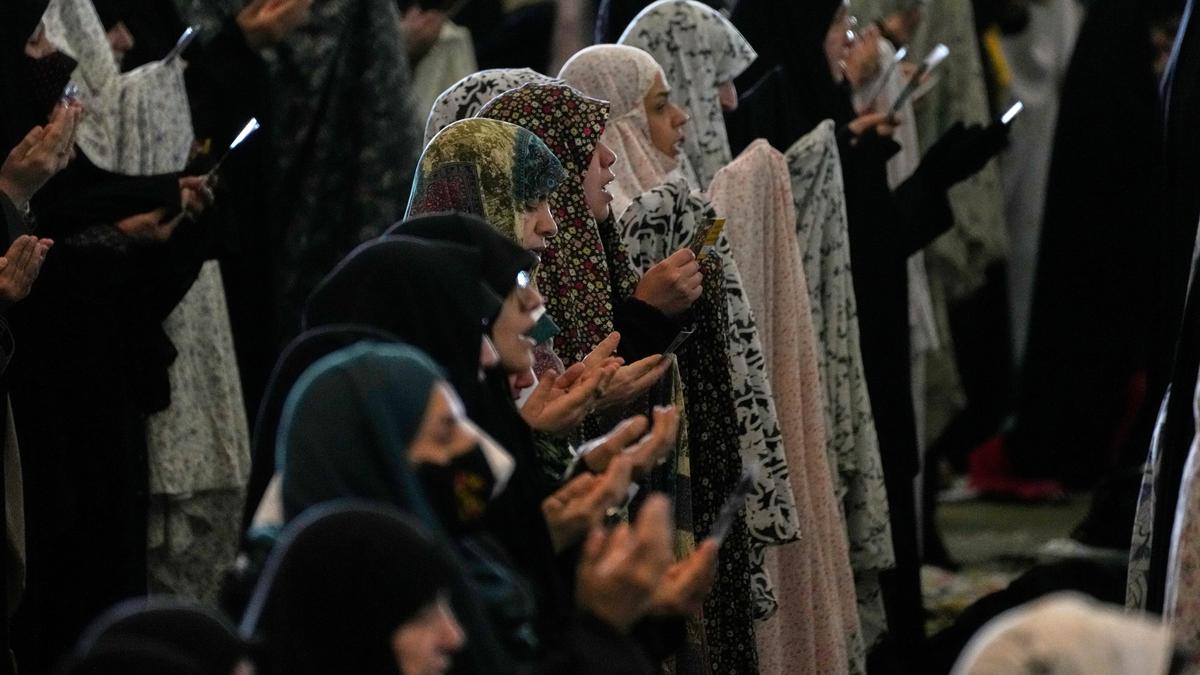
- Tehran, Iran, observed Id prayers at the Imam Khomeini Grand Mosque amidst heightened tensions and the risk of strikes.
- In Beirut, Lebanon, volunteers prepared food parcels for displaced families affected by Israeli airstrikes.
- Women displaced from South Lebanon prayed near graves in Sidon, Lebanon, against the backdrop of escalating tensions between Hezbollah and Israel amid the U.S.-Israeli conflict with Iran.
- Iraqi Shias visited the graves of relatives at the Kataeb Hezbollah Cemetery in Najaf, Iraq, a country unwillingly drawn into the regional conflict.
- In Delhi, India, Id-ul-Fitr was observed with tight security following localized communal tensions.
- Celebrations took place in various locations, including Srinagar, Bhopal, Mumbai, Jaipur, Aceh Tamiang (Indonesia), Beijing, Karachi, Kochi, Visakhapatnam, Hyderabad, St. Petersburg, Krasnoyarsk, and Gaza City.
- Gaza City observed Id-ul-Fitr amidst ongoing Israeli airstrikes and reported casualties.
Critical Analysis:
The article highlights the stark contrast between peaceful celebrations in some regions and somber observances in conflict zones, particularly in the Middle East. The mention of the “U.S.-Israeli conflict with Iran” and Iraq being “unwillingly drawn into the regional conflict” suggests a broader geopolitical context significantly impacting the Id-ul-Fitr celebrations in those areas. The differing moon sightings leading to different celebration dates also underscore the diversity within the Muslim world.
Key Takeaways:
- Id-ul-Fitr celebrations in 2026 are significantly affected by ongoing geopolitical conflicts, particularly in the Middle East.
- The festival serves as a reminder of the disparities and hardships faced by Muslims in conflict-affected regions.
- The article underscores the diversity in Islamic traditions, highlighted by the variance in moon sightings and celebration dates.
- Even in regions experiencing peaceful celebrations, security measures are heightened in some areas due to localized tensions.
 First Piper