
Sat Mar 21 16:42:31 UTC 2026: ### Headline: Iranian President Urges BRICS Intervention as Conflict with U.S.-Israeli Forces Escalates
The Story:
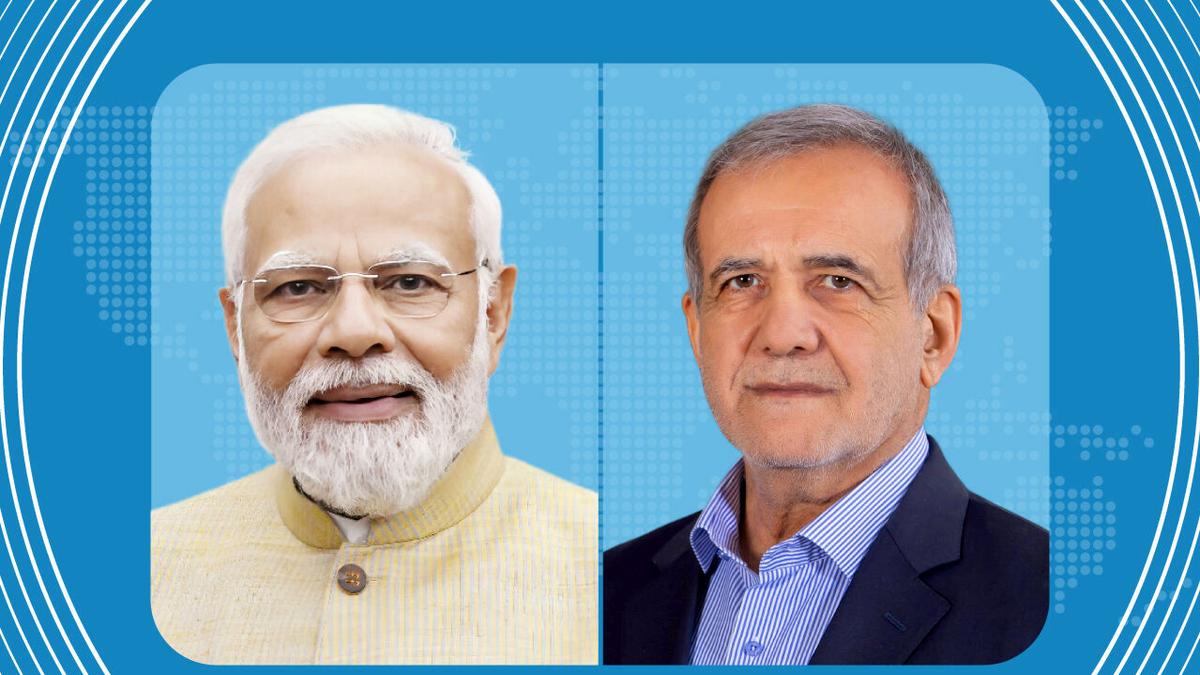
On March 21, 2026, Iranian President Masoud Pezeshkian spoke with Indian Prime Minister Narendra Modi regarding the escalating conflict in West Asia, specifically citing what he described as “U.S.-Israeli aggression.” President Pezeshkian called for an immediate cessation of hostilities and proposed that the BRICS bloc, currently under India’s presidency, play an “independent role” in halting the aggression against Iran. He also advocated for a regional security framework composed of West Asian countries to ensure peace without foreign interference.
Prime Minister Modi responded by condemning attacks on critical infrastructure in the region and reiterated the importance of safeguarding freedom of navigation and secure shipping lanes. Separately, External Affairs Minister S. Jaishankar discussed the conflict and its regional implications with his Iranian counterpart, Seyed Abbas Araghchi.
Key Points:
- Iranian President Masoud Pezeshkian and Indian Prime Minister Narendra Modi spoke on March 21, 2026, about the conflict in West Asia.
- Pezeshkian called for an “immediate cessation” of “U.S.-Israeli aggression.”
- Pezeshkian urged the BRICS bloc to play an “independent role” in halting aggression against Iran.
- He proposed a regional security framework comprising West Asian countries to ensure peace without foreign interference.
- Modi condemned attacks on critical infrastructure and emphasized the importance of freedom of navigation.
- External Affairs Minister S. Jaishankar also spoke with his Iranian counterpart.
Critical Analysis:
The phone call between President Pezeshkian and Prime Minister Modi, coupled with the Iranian President’s direct appeal to BRICS, signals a strategic effort by Iran to leverage multilateral platforms to counter what it perceives as external aggression. By appealing to BRICS, Iran is attempting to garner international support beyond traditional alliances, capitalizing on the bloc’s growing influence and India’s current presidency.
Key Takeaways:
- Iran is actively seeking international intervention to halt the ongoing conflict with U.S.-Israeli forces.
- Iran is strategically positioning BRICS as a potential mediator or counterweight to Western influence in the region.
- India, holding the BRICS presidency, is facing increased pressure to take a more active role in resolving the conflict.
- The proposed regional security framework indicates Iran’s desire for a West Asia free from external interference.
- The situation underscores the escalating tensions and the potential for wider regional conflict.
Impact Analysis:
This event series has significant long-term implications. Firstly, it tests the cohesion and effectiveness of the BRICS bloc as a geopolitical actor. India’s response will be closely watched by both member states and the wider international community, potentially shaping the future direction of BRICS’ foreign policy engagements. Secondly, the proposed regional security framework could lead to a realignment of power dynamics in West Asia, potentially diminishing the influence of external actors like the United States. Finally, the escalating conflict increases the risk of wider regional instability, impacting global trade routes and energy supplies, particularly if freedom of navigation is compromised.
 First Piper