
Sat Mar 21 14:10:31 UTC 2026: ### Pune Metro Line 3: Phase One Set for May 2026 Launch
The Story:
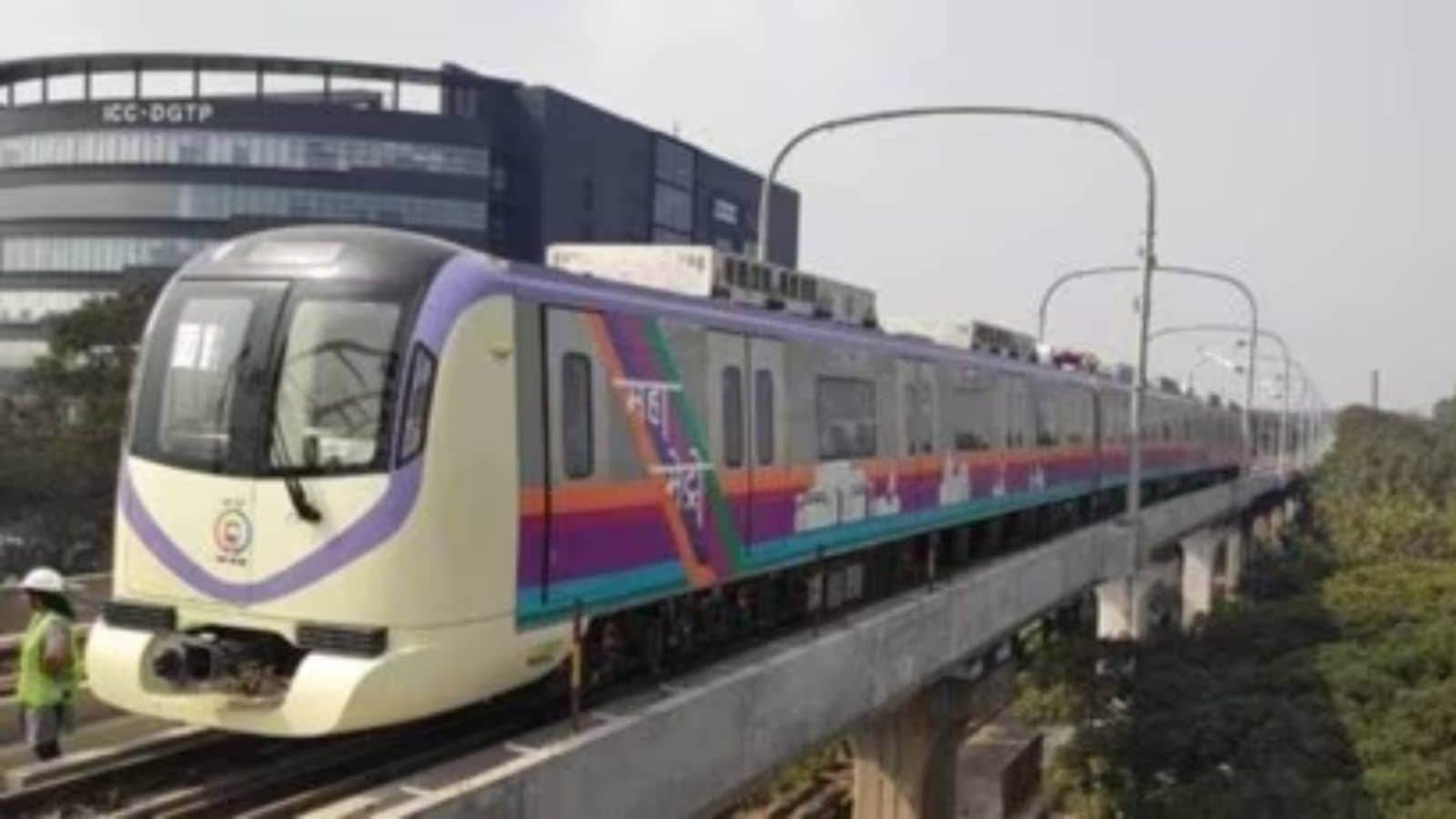
The Pune Metropolitan Region Development Authority (PMRDA) has announced a firm deadline of May 2026 for the commencement of operations for the first phase of Metro Line 3, connecting Maan-Hinjewadi to Shivajinagar. This initial phase will encompass the opening of 12 stations to the public. The announcement follows directives from Chief Minister Devendra Fadnavis to expedite the project and an on-ground inspection led by PMRDA Metropolitan Commissioner Dr. Abhijit Chaudhari.
The inspection covered all 23 proposed stations, with officials confirming that the project is 94.20% complete. Signaling tests are underway, and critical inspections by the Research Designs and Standards Organisation (RDSO) and the Commissioner of Metro Railway Safety (CMRS) have been finalized. The project, a Public-Private Partnership (PPP) involving the Tata Group (TRIL) and Siemens, aims to significantly reduce commute times between the city center and the IT hub of Hinjewadi, alleviating traffic congestion.
Key Points:
- PMRDA sets May 2026 deadline for Phase One of Metro Line 3.
- First phase includes opening 12 stations from Maan-Hinjewadi to Shivajinagar.
- Project is 94.20% complete.
- Signaling tests are ongoing, and key inspections are finalized.
- The project is a PPP involving the Tata Group (TRIL) and Siemens.
Key Takeaways:
- The May 2026 deadline indicates a strong push to complete the project after potential delays.
- The high completion percentage (94.20%) suggests that the deadline is achievable, barring unforeseen circumstances.
- The successful implementation of this PPP model could serve as a blueprint for future infrastructure projects in India.
- The metro line promises significant benefits for commuters, particularly IT professionals, and will help decongest traffic in Pune.
Impact Analysis:
The commencement of Metro Line 3 has significant long-term implications for Pune’s infrastructure and economy:
- Economic Growth: Improved connectivity between the city center and the IT hub will facilitate business and investment, boosting economic growth in the region.
- Reduced Congestion: The metro is expected to significantly reduce traffic congestion on key routes, leading to improved air quality and reduced travel times.
- Enhanced Connectivity: The metro will provide a reliable and efficient mode of transportation, improving connectivity for residents and visitors.
- Sustainable Development: By encouraging the use of public transportation, the metro will contribute to a more sustainable urban environment.
 First Piper