
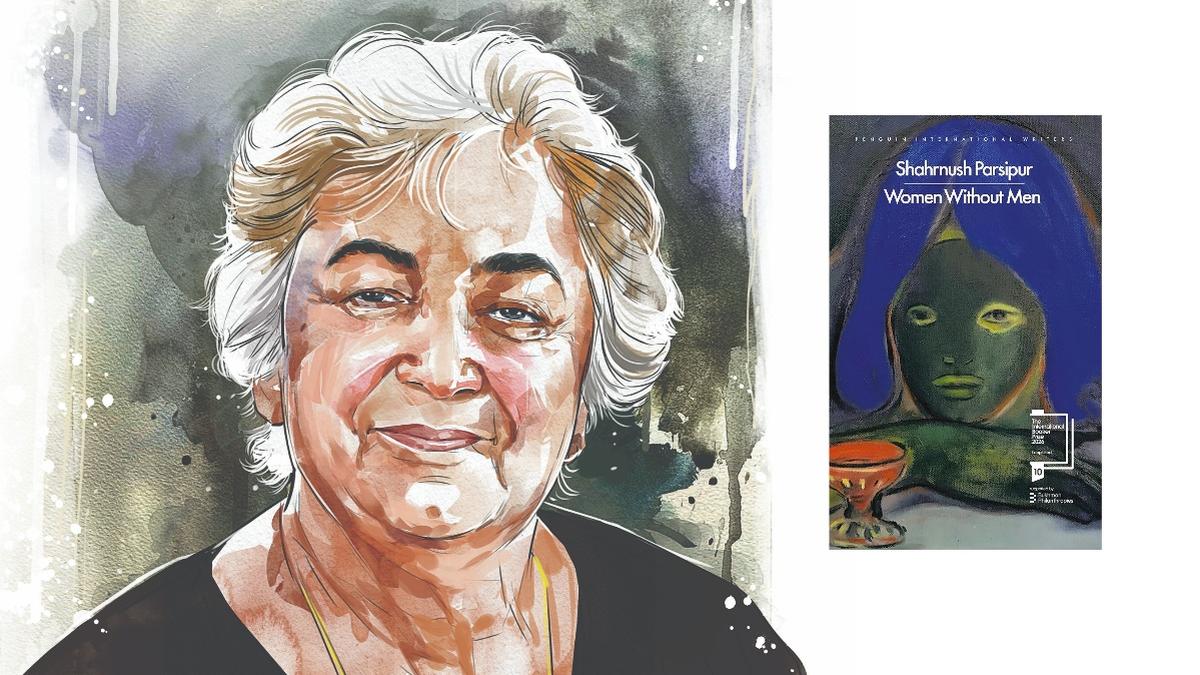
Sat Mar 21 07:01:04 UTC 2026: Headline: Iranian Author’s Banned Novella Longlisted for International Booker Prize Amidst War and Societal Upheaval
The Story:
Shahrnush Parsipur’s novel, “Women Without Men,” banned in Iran since its publication in 1989, has been longlisted for the 2026 International Booker Prize. The novella, which explores themes of female freedom and challenges religious norms during the 1953 CIA-backed coup, gained renewed attention after fueling the 2022 “Woman, Life, Freedom” movement. This recognition comes at a volatile time for Iran, marked by war and the recent death of Ayatollah Ali Khamenei, events that Parsipur hopes will usher in a new era of freedom for Iranian women.
Key Points:
- “Women Without Men” was published in 1989 and immediately banned in Iran.
- The book addresses themes of female liberation and challenges to religious dictates.
- Parsipur was jailed for her writing and political activism.
- The novella is newly translated by Faridoun Farrokh and published by Penguin International Writers.
- The book influenced the 2022 “Woman, Life, Freedom” movement.
- Parsipur expresses hope that the death of Ayatollah Ali Khamenei and current war will lead to greater freedom for Iranian women.
- The author currently lives in exile in California.
- Parsipur’s work is seen as a roadmap for understanding the intricacies of man-woman relationships and their social background.
Critical Analysis:
The timing of the International Booker Prize longlisting, amidst the death of Ayatollah Ali Khamenei, an ongoing war (likely involving Israel and the US, given the context of the related articles), and the report of Indian refiners potentially buying Iranian oil due to waived sanctions, suggests a complex geopolitical landscape. The resurgence of Parsipur’s work is not isolated; it reflects a broader societal tension within Iran, amplified by external pressures and internal power shifts. The book’s themes of female empowerment resonate strongly with ongoing protests against hijab regulations and state control over women’s bodies.
Key Takeaways:
- Parsipur’s “Women Without Men” represents a powerful symbol of resistance against oppression and a call for female liberation in Iran.
- The book’s longlisting for the International Booker Prize highlights the enduring relevance of its themes, particularly in the context of current events.
- The political and social climate in Iran is undergoing significant change, with the death of Ayatollah Ali Khamenei potentially opening new avenues for reform, particularly for women’s rights.
- The lifting of sanctions, coupled with military conflict, creates a complex dynamic in which internal reform movements and external pressures intersect.
- Literature plays a vital role in shaping societal discourse and inspiring movements for change, as evidenced by the influence of Parsipur’s work on the “Woman, Life, Freedom” movement.
Impact Analysis:
The International Booker Prize nomination could amplify Parsipur’s voice on a global stage, potentially emboldening Iranian women to continue pushing for greater freedoms. The combination of internal upheaval (death of a Supreme Leader) and external conflict (war with Israel and the US) creates a fertile ground for social and political change. The degree to which Parsipur’s hopes are realized will depend on the outcome of the war, the succession within the Iranian government, and the resilience of the women’s rights movement. The increased attention on Iranian issues could also influence international policies regarding Iran and impact the ongoing conflict. The long-term impact is dependent on if the Islamic Republic collapses and if the Iranian women will gain further freedom as a result.
 First Piper