
Sat Mar 21 15:33:15 UTC 2026: # Parliamentary Committee Urges Election Commission to Safeguard Voter Rolls Amid Controversy
The Story:
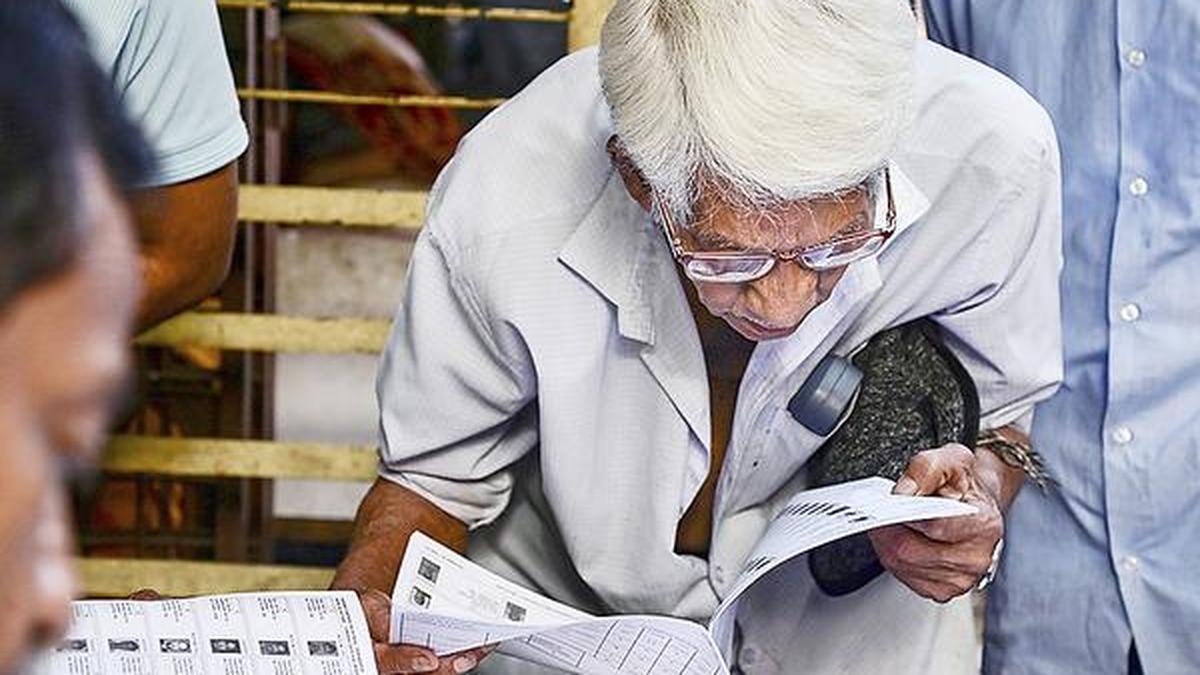
A Parliamentary Standing Committee has called upon the Election Commission of India (EC) to ensure the integrity of voter rolls during the Special Intensive Revision (SIR) process. This directive comes amid concerns raised by political parties, particularly in states like West Bengal, about the potential deletion of genuine voters from the electoral lists. The committee emphasized the need for a fair, transparent, and inclusive revision process, with specific safeguards for vulnerable populations.
The committee’s report, tabled in Parliament this week, highlights the importance of robust monitoring mechanisms and strict adherence to data privacy protocols. While the SIR process is complete in some regions, the EC has directed other states to begin preparations, adding urgency to the committee’s recommendations.
Key Points:
- The Parliamentary Standing Committee on Personnel, Public Grievances, Law and Justice has asked the EC to ensure no genuine elector is excluded from voter lists during the SIR.
- Political parties in states like West Bengal have alleged the deletion of genuine voters.
- The committee stressed the need for safeguards for vulnerable sections: senior citizens, persons with disabilities, economically weaker sections, and migrant populations.
- The EC has completed the SIR process in 11 States and Union Territories and asked 22 others to begin preparations.
- The final electoral list of Uttar Pradesh is scheduled to be out in April.
- In West Bengal, details of around 60.06 lakh voters with “logical discrepancies” are under adjudication.
- The committee recommends robust monitoring mechanisms and adherence to data privacy and security protocols on ECINET.
Critical Analysis:
The timing of the Parliamentary Committee’s recommendations, coupled with the historical context, reveals a potentially significant challenge to the integrity of the electoral process. The fact that 193 opposition MPs sought the removal of the Chief Election Commissioner (March 13, 2026) suggests a lack of confidence in the EC’s impartiality. This context amplifies the concerns raised by political parties regarding voter roll revisions and underscores the urgency of the committee’s call for transparency and robust monitoring. The SIR process, designed to update and refine voter lists, is now under intense scrutiny, raising questions about potential bias or manipulation.
Key Takeaways:
- The integrity of the electoral rolls is under scrutiny, with allegations of voter suppression.
- There is a growing lack of trust in the Election Commission among some political factions.
- The Parliamentary Committee is attempting to reinforce safeguards to ensure fair elections.
- Data privacy and security are key concerns in the digital management of electoral rolls.
- The upcoming elections could be contested not only on policy but also on the fairness of the electoral process itself.
Impact Analysis:
The events surrounding the SIR and the calls for the CEC’s removal have potentially far-reaching implications for Indian democracy. If the concerns about voter roll manipulation are not addressed, it could erode public trust in the electoral process and lead to widespread discontent. This could result in:
- Increased political polarization: Further division between the ruling party and the opposition.
- Legal challenges: Disputes over election results based on alleged irregularities in voter lists.
- Civil unrest: Protests and demonstrations if the public perceives the elections as unfair.
- Long-term damage to democratic institutions: A weakening of the Election Commission’s authority and credibility.
The EC’s response to the committee’s recommendations and its ability to address the concerns raised by political parties will be crucial in determining the future stability of the electoral process and the health of Indian democracy.
 First Piper