
Thu Mar 12 13:45:07 UTC 2026: ### Iran’s Conditions for Ending West Asia Conflict Highlight Nationalism and Identity in Geopolitics
The Story:
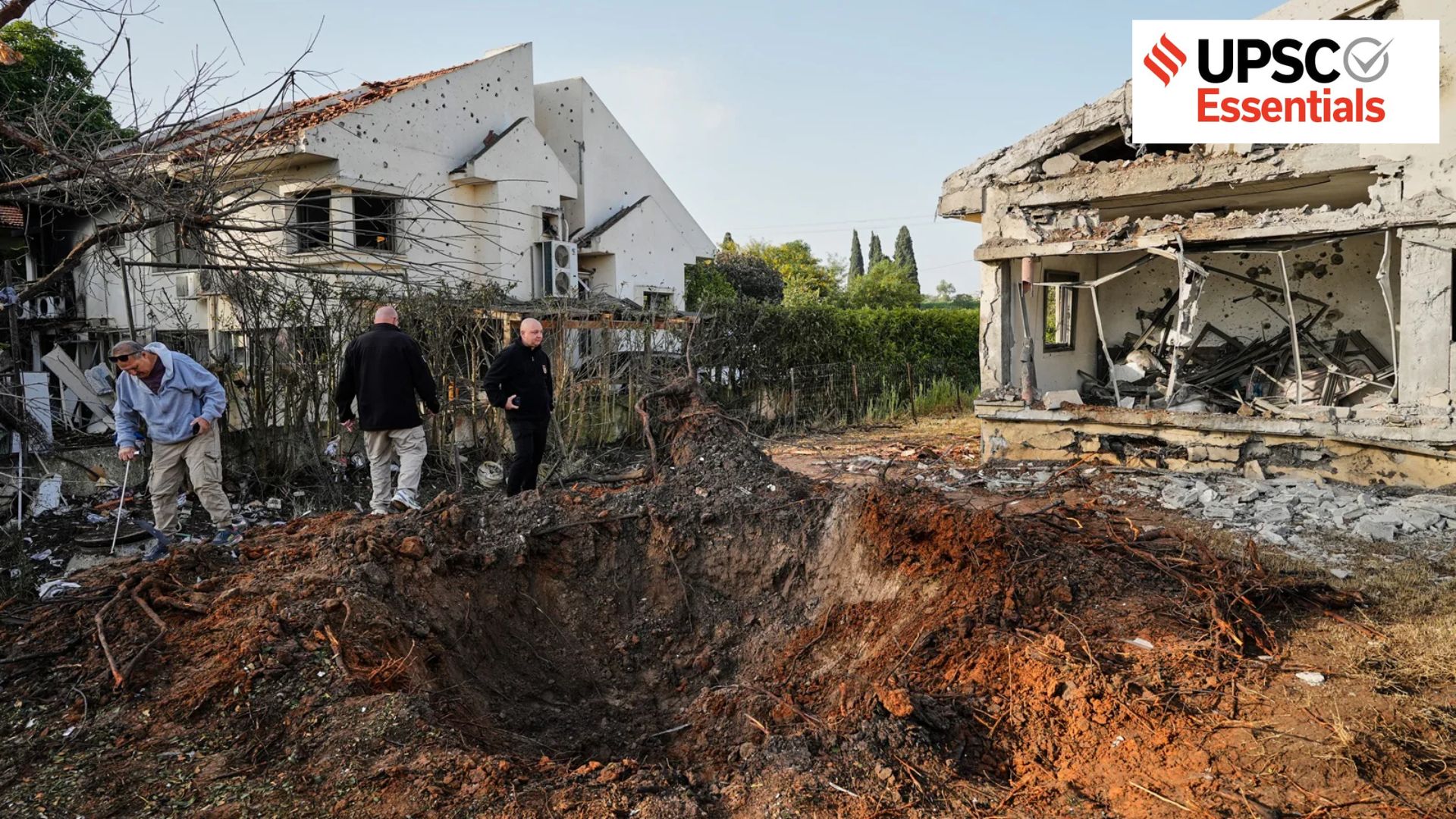
As conflict continues in West Asia, Iran has articulated three conditions for ending the war with Israel and the United States. The ongoing war has intensified questions of identity and allegiance, emphasizing the role of nationalism in shaping both domestic perceptions and international relations. Experts observe that while Iran maintains friendly ties with Arab states, anti-US sentiment has grown in the region, showcasing how nations use shared identity and solidarity during crises. This development underscores the enduring significance of nationalism in global affairs.
Key Points:
- Iran has specified conditions to end the ongoing war with Israel and the US.
- The conflict has heightened issues of identity and allegiance in the region.
- Anti-US sentiments have been intensified in West Asia.
- Nations strategically invoke shared identity and solidarity during crises.
- The concept of nationalism remains a significant factor in international relations.
Critical Analysis:
The timing of Iran’s stated conditions, coupled with the historical context of cross-border tensions and changing foreign policy dynamics involving bordering countries, suggests a strategic effort to leverage regional sentiment. The rise in anti-US sentiment, as highlighted in the article, could be seen as Iran attempting to consolidate its influence among “brotherly” Arab states and potentially reshape the geopolitical landscape.
Key Takeaways:
- Geopolitical conflicts often exacerbate existing nationalistic sentiments.
- Shared identity and solidarity are strategically utilized by nations during crises.
- Nationalism continues to play a crucial role in shaping international relations and domestic policies.
- The conflict in West Asia is not only a geopolitical rivalry but also a clash of identities and allegiances.
Impact Analysis:
The emphasis on nationalism and identity could lead to a more polarized regional environment, potentially complicating diplomatic efforts and fostering further instability. The invocation of shared identity might also influence domestic policies in various countries, affecting social cohesion and potentially leading to increased internal tensions. Furthermore, the rise of anti-US sentiment could impact future alliances and strategic partnerships in the region, requiring careful navigation by global powers.
 First Piper