
Sat Mar 21 12:28:44 UTC 2026: ### Bengal’s Electoral Battleground: A State Poised Between History and Ambition
The Story:
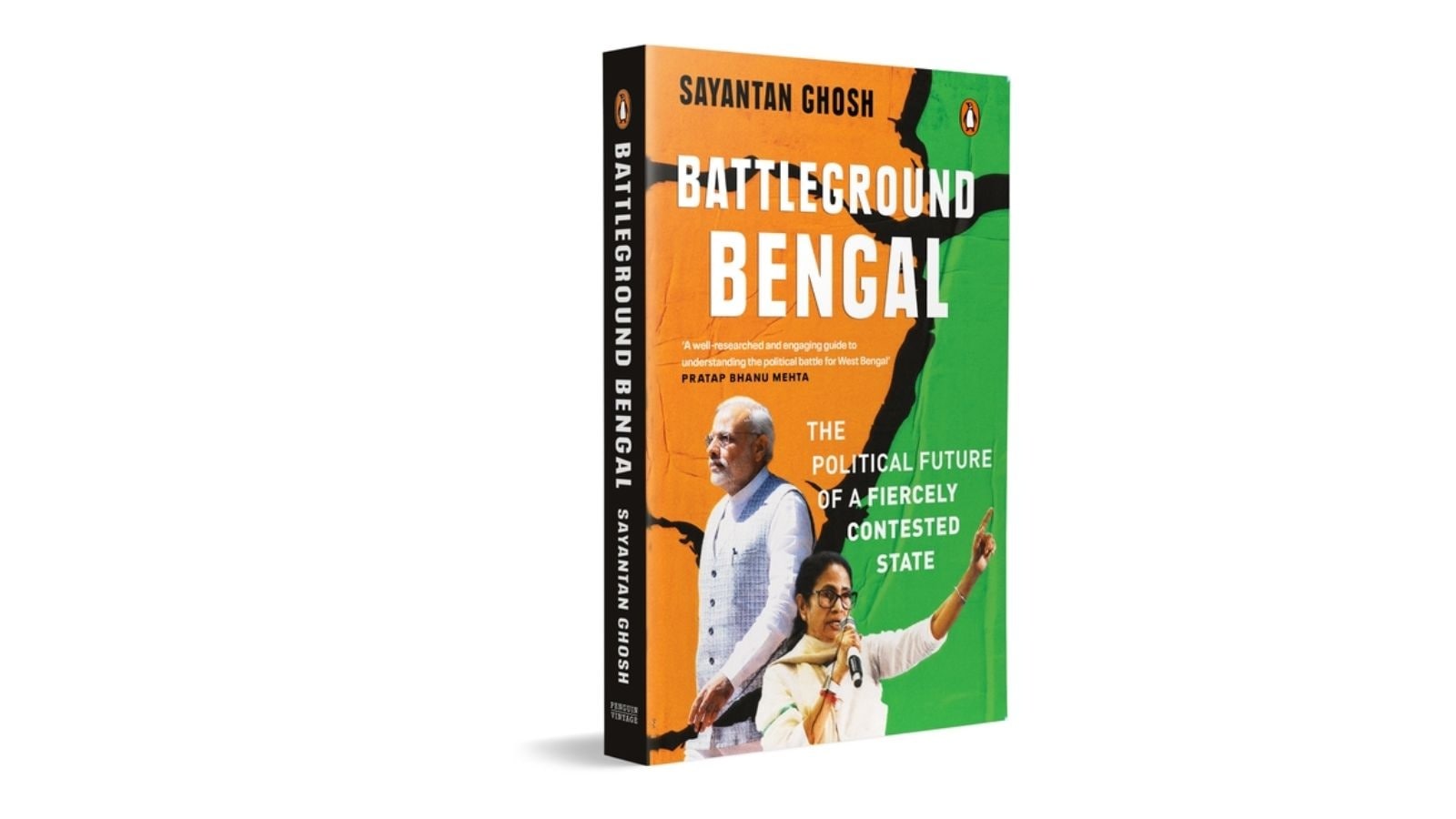
A new book, Battleground Bengal by Sayantan Ghosh, delves into the complex political landscape of West Bengal as it prepares for upcoming assembly elections. The book eschews simple predictions, instead offering a measured analysis of the state’s political history, the rise of the Bharatiya Janata Party (BJP), and the enduring influence of Chief Minister Mamata Banerjee. Ghosh’s work portrays Bengal as a state where historical memory, cultural identity, and welfare politics intersect, creating a uniquely charged electoral environment.
Key Points:
- The book examines the historical dominance of the Left Front in Bengal for over three decades and Mamata Banerjee’s dramatic rise to power in 2011.
- It highlights the BJP’s rapid growth from a marginal presence to the primary challenger to Banerjee’s Trinamool Congress (TMC).
- Ghosh emphasizes the significance of Mamata Banerjee’s welfare schemes in fostering loyalty among voters, particularly women.
- The book notes the BJP’s success in absorbing disillusioned voters from the collapsed Left, contributing to a more polarized political landscape.
- It underscores the importance of Bengali cultural identity and linguistic pride in shaping political perceptions.
- The book doesn’t offer predictions, but rather explores the potential for both the BJP to gain ground and for Mamata Banerjee to maintain her stronghold.
Critical Analysis:
The related historical context reveals several key preparatory steps leading up to the election. The formation of appellate tribunals by the Election Commission (EC) on March 21, 2026, directly addresses potential disputes regarding electoral rolls, indicating a focus on ensuring the integrity of the voter base. The booking of TVK functionaries on the same day for involving children in campaigning suggests proactive enforcement of electoral regulations. The expulsion of a monk from Bharat Sevashram Sangha for joining the BJP highlights the intersection of religious institutions and political affiliations, a potentially sensitive issue in the election.
Key Takeaways:
- West Bengal’s elections are characterized by a complex interplay of historical legacies, cultural identity, and socio-economic factors.
- The BJP’s rise in Bengal represents a significant challenge to the established dominance of regional parties like the TMC.
- Welfare politics plays a crucial role in shaping voter loyalties and influencing electoral outcomes.
- The upcoming elections are poised to be a closely contested battle between the BJP’s national momentum and Mamata Banerjee’s regional stronghold.
- Electoral integrity and adherence to regulations are being actively monitored and enforced by the EC.
Impact Analysis:
The outcome of the upcoming West Bengal elections has significant long-term implications for the national political landscape. A BJP victory would solidify its presence in eastern India and further consolidate its national power. A TMC victory would reinforce the strength of regional parties and potentially influence the dynamics of national coalitions. The manner in which the election is conducted, particularly regarding fairness and inclusivity, will also have lasting effects on the state’s political culture and social fabric. The focus on welfare schemes could also set a precedent for other states.
 First Piper