
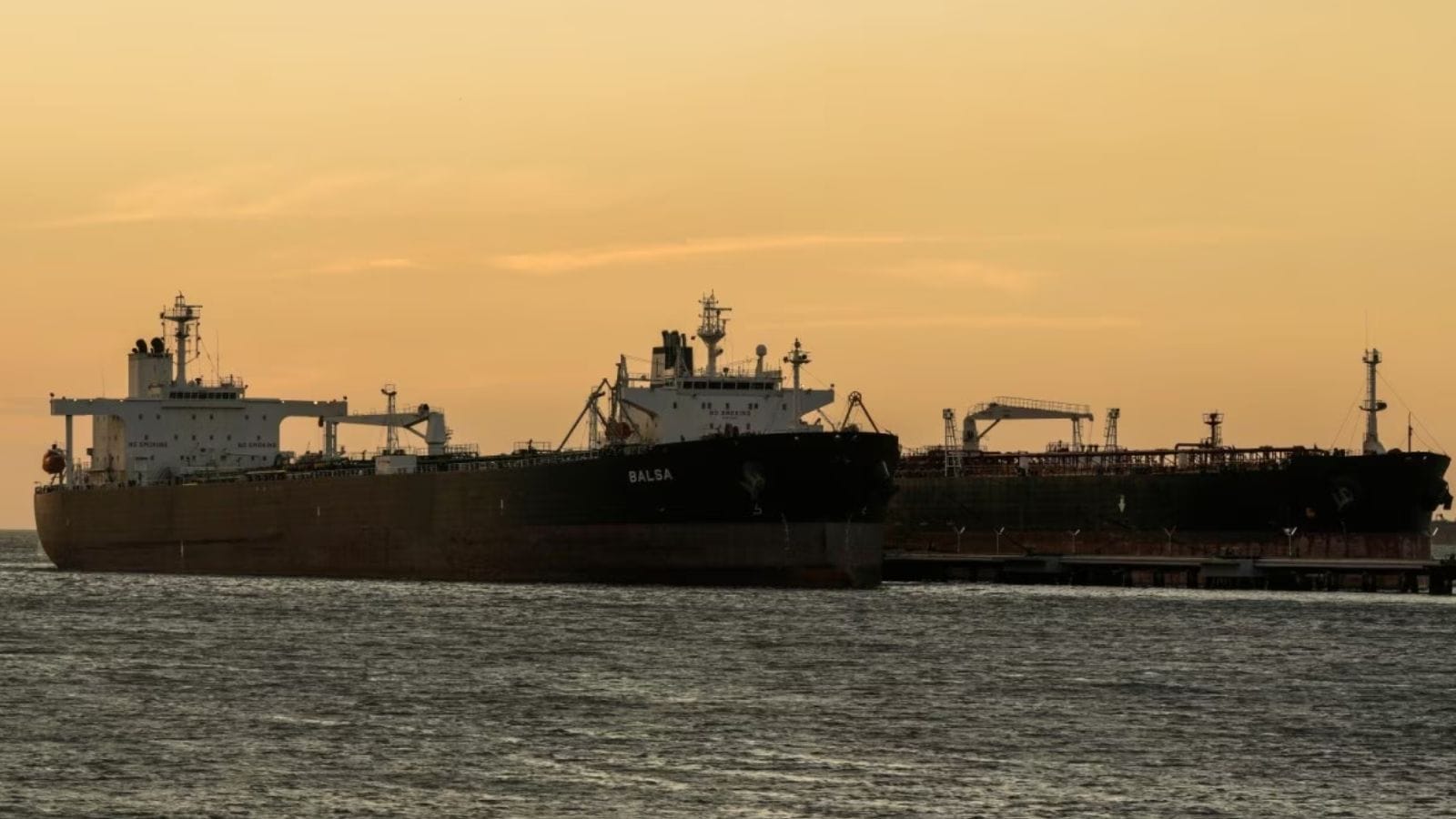
Fri Mar 13 00:56:13 UTC 2026: ### Headline: US Treasury Eases Sanctions on Russian Oil Amid Iran War and Rising Crude Prices
The Story:
The US Treasury Department announced on Thursday that it is further easing sanctions on Russian oil. This decision comes as crude oil prices surge due to the ongoing war with Iran and the effective closure of the Strait of Hormuz. The agency is granting a license authorizing the delivery and sale of some sanctioned Russian crude oil and petroleum products for the next month. This action follows signals from President Trump earlier in the week, indicating his intention to ease restrictions on sanctioned oil to compensate for the disrupted oil supply.
Key Points:
- The US Treasury Department is easing sanctions on Russian oil.
- The decision is driven by rising crude prices during the Iran war.
- A license is being granted for the delivery and sale of some sanctioned Russian crude oil and petroleum products for the next month.
- President Trump signaled his intention to ease restrictions to offset the loss of oil flow due to the Strait of Hormuz closure.
- The move follows temporary permission granted to India to buy Russian oil.
Critical Analysis:
The timing of this announcement, amidst the Iran war and closure of the Strait of Hormuz, suggests a strategic attempt by the Trump administration to stabilize global oil markets. The decision to ease sanctions on Russian oil, coupled with prior actions like permitting India to purchase Russian oil, highlights a calculated effort to mitigate the economic impact of the conflict. The administration appears to be prioritizing energy market stability, even if it means adjusting its stance on sanctions against Russia. The announcement on March 13, 2026 that Trump told the Iran team to skip the FIFA World Cup for “their own life and safety” indicates the administration acknowledges the severity of the situation.
Key Takeaways:
- The Trump administration is willing to adjust its foreign policy stance to address immediate economic concerns, particularly related to energy.
- The Iran war and the Strait of Hormuz closure have created a significant disruption in global oil supply chains.
- Easing sanctions on Russia represents a calculated risk to stabilize oil prices during a period of geopolitical instability.
- The US is attempting to manage the economic fallout of the conflict by diversifying oil supply sources.
- This move may signal a shift in the US’s approach to sanctions as a foreign policy tool, prioritizing economic stability in times of crisis.
Impact Analysis:
The easing of sanctions on Russian oil could have several long-term implications. Firstly, it could provide Russia with a vital economic lifeline, potentially weakening the intended effect of the original sanctions. Secondly, it could reshape global energy markets, influencing the balance of power among oil-producing nations. Finally, it could signal a change in US foreign policy strategy, indicating a greater willingness to prioritize economic stability over strict adherence to sanctions regimes in times of crisis. This decision could also impact future US-Russia relations, potentially opening avenues for negotiation and cooperation in the energy sector. The extent of these impacts will depend on the duration and intensity of the Iran war, as well as the long-term direction of US foreign policy under the Trump administration.
 First Piper