
Thu Mar 12 19:18:33 UTC 2026: # Supreme Court Closes Landmark 1985 Air Pollution PIL, Opens New Chapter
The Story:
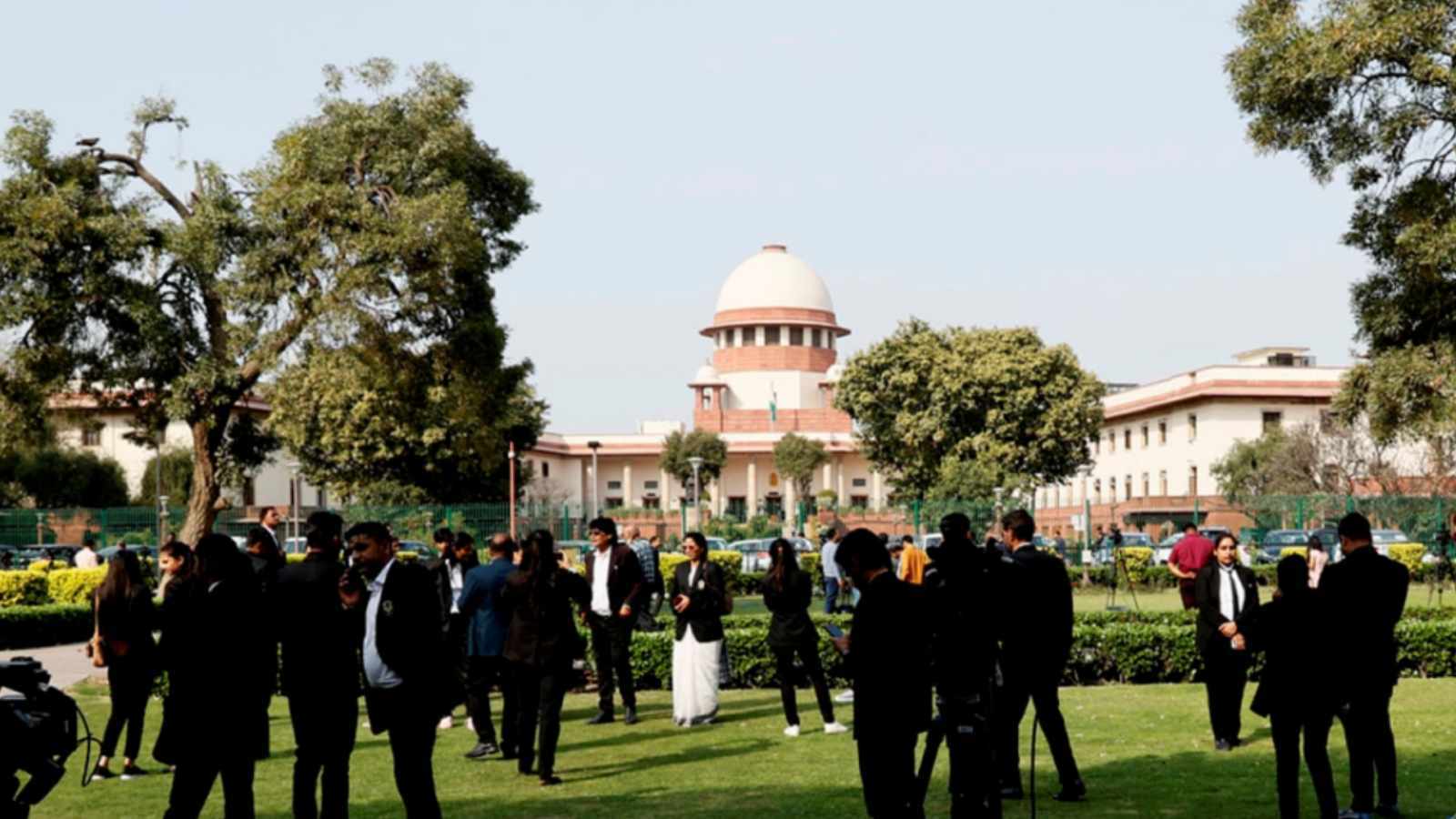
The Supreme Court of India formally closed a decades-old Public Interest Litigation (PIL) filed by environmentalist M C Mehta in 1985, which addressed air pollution concerns in the National Capital Region (NCR). The decision, made by a bench headed by Chief Justice of India Surya Kant, Justices Joymalya Bagchi, and Vipul M Pancholi, aims to dispel the misconception that the court was delaying resolution on this long-standing issue. Simultaneously, the court directed the registry to initiate a fresh suo motu case specifically addressing contemporary air pollution challenges in the NCR, transferring pending applications from the original PIL to newly assigned writ petition numbers.
The court has instructed Advocates on Record (AoR’s) to determine whether the pending applications have become infructuous within two weeks. The CJI noted the issues being dealt with now did not originate in 1985. The new categorization will include vehicular pollution, air quality governance, and waste management.
Key Points:
- The Supreme Court closed the 1985 M C Mehta PIL regarding air pollution in the NCR.
- A new suo motu case will be initiated to address current air pollution issues in the NCR.
- Pending applications under the original PIL will be assigned separate writ petition numbers and sub-categorized.
- The court directed the registry to not entertain any new applications without prior approval.
- Landmark judgments concerning environmental protection in NCR, including orders regarding CNG for public transport and protection of the Taj Trapezium Zone (TTZ), were previously passed under the 1985 PIL.
Critical Analysis:
The closure of the 1985 PIL and the initiation of a new suo motu case suggest a strategic shift by the Supreme Court. The move acknowledges that the nature and sources of air pollution in the NCR have evolved significantly since 1985. The court wants to avoid the perception of dragging old cases, and wants to address the current challenges more efficiently with a fresh perspective. The related context highlights ongoing concerns about air quality, as seen in Deepika Padukone’s public appeal regarding Mumbai’s air quality index (153 AQI) on March 12, 2026, and demands from MPs for stricter enforcement of laws against air pollution on March 9, 2026. The court’s action can be seen as a response to these persistent issues and a desire to implement more targeted and contemporary solutions.
Key Takeaways:
- The Supreme Court is actively addressing concerns about the timeliness and relevance of its handling of environmental cases.
- The focus is shifting towards addressing contemporary air pollution challenges in the NCR with a fresh legal framework.
- The court is streamlining the process by categorizing pollution issues and restricting new applications under the old PIL.
- The decision reflects an understanding that environmental issues are dynamic and require updated legal and policy interventions.
Impact Analysis:
The closure of the 1985 PIL and the initiation of a new suo motu case are likely to have a significant long-term impact on environmental governance in the NCR. The new case, with its sub-categorization of pollution issues, will allow for more focused and effective interventions. The restriction on new applications under the old PIL will prevent the accumulation of outdated or irrelevant cases, ensuring that the court’s resources are directed towards addressing current challenges. This restructuring could lead to more efficient enforcement of environmental regulations and improved air quality in the NCR. The separation of cases related to vehicular pollution, air quality governance, and waste management allows for specialized attention and tailored solutions for each specific environmental
 First Piper