
Thu Mar 12 17:10:34 UTC 2026: ### India Assures Energy Security Amid Global Disruption and Domestic Concerns
The Story:
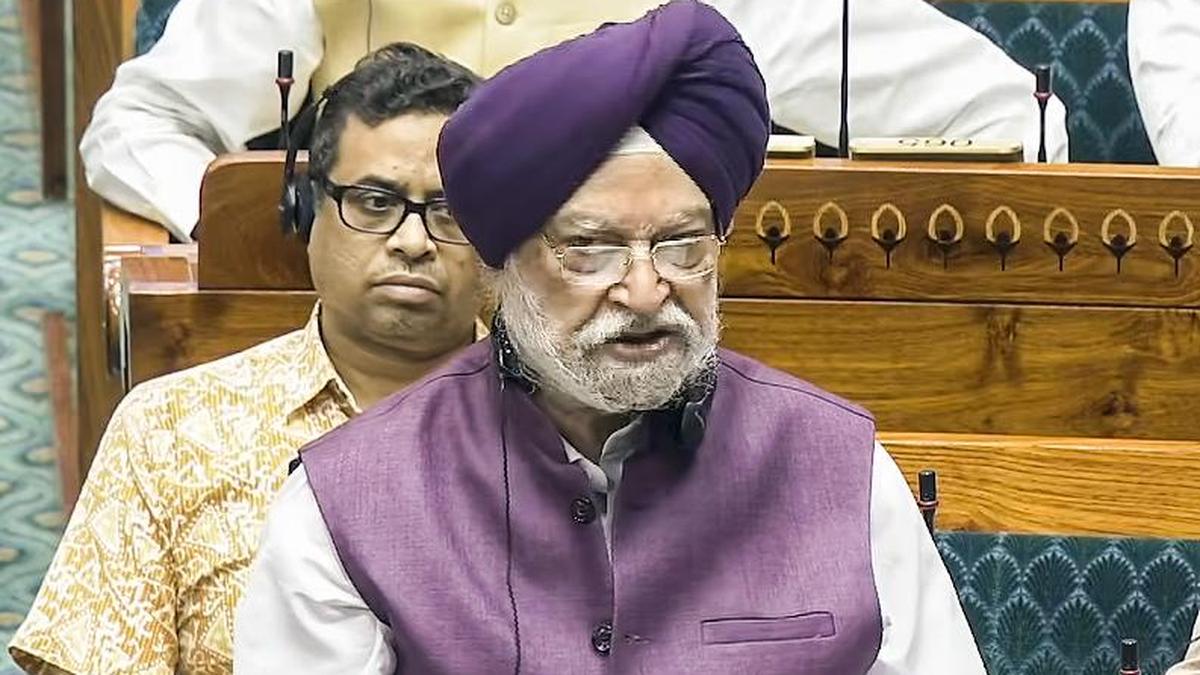
Union Petroleum Minister Hardeep Singh Puri addressed the Lok Sabha on March 12, 2026, assuring the nation that there is no shortage of petrol, diesel, kerosene, and aviation turbine fuel despite the ongoing conflict in West Asia. His statement came in response to concerns raised by Leader of Opposition Rahul Gandhi regarding a potential LPG shortage and its impact on households and businesses. The government has introduced measures to regulate commercial LPG cylinders to prevent hoarding and diversion, allocating 20% of the average monthly requirement through oil-marketing companies in coordination with State governments.
The Minister highlighted the diversification of India’s crude oil supply sources to mitigate risks associated with the closure of the Strait of Hormuz. He emphasized that India is now sourcing crude from 40 countries, compared to 27 in 2006-07, and that refineries are operating at high capacity. Despite these assurances, reports of panic buying and localized shortages persist, fueled by consumer anxiety and rumors.
Key Points:
- Union Petroleum Minister Hardeep Singh Puri assures the Lok Sabha that there is no shortage of essential fuels.
- The government is regulating commercial LPG cylinders, allocating 20% of the average monthly requirement through oil-marketing companies in coordination with State governments to prevent hoarding.
- Rahul Gandhi raised concerns about potential LPG shortages and India’s energy security, alleging undue influence from the U.S. on India’s oil procurement policies.
- India has diversified its crude oil supply sources, now sourcing from 40 countries.
- The Strait of Hormuz, a crucial passage for global energy supplies, has been closed to commercial shipping for 13 days.
- Field reports indicate panic buying and hoarding at the distributor and retail level.
Critical Analysis:
The events are unfolding due to a confluence of factors. The conflict in West Asia has disrupted global energy supply chains, leading to heightened anxiety about potential shortages. This anxiety, amplified by rumors, has triggered panic buying at the consumer level, creating localized shortages despite the government’s assurances. The opposition’s criticism suggests a political dimension, with accusations of compromised energy policy adding to the uncertainty. The closure of the Strait of Hormuz represents a significant external shock, forcing India to accelerate its diversification efforts.
Key Takeaways:
- Global geopolitical events significantly impact India’s energy security and domestic fuel availability.
- Rumor-mongering and panic buying can exacerbate perceived shortages, even when supplies are adequate.
- Diversification of energy sources is crucial for mitigating risks associated with disruptions in specific regions.
- Political discourse and opposition criticism play a role in shaping public perception of energy security.
- State government coordination is essential for effective distribution and prevention of hoarding.
Impact Analysis:
The current situation has several long-term implications for India:
- Accelerated Energy Diversification: The crisis will likely push India to further diversify its energy sources and explore alternative fuels, including renewables and nuclear energy.
- Strategic Partnerships: India may seek to strengthen its strategic partnerships with energy-producing nations to ensure a stable supply.
- Increased Domestic Production: The government may prioritize increasing domestic oil and gas production to reduce dependence on imports.
- Consumer Behavior: The experience could lead to changes in consumer behavior, with increased adoption of energy-efficient technologies and alternative cooking methods.
- Policy Adjustments: The government may need to refine its energy policies to better manage supply disruptions and prevent panic buying in the future. The regulation of commercial LPG is one such policy adjustment.
 First Piper