
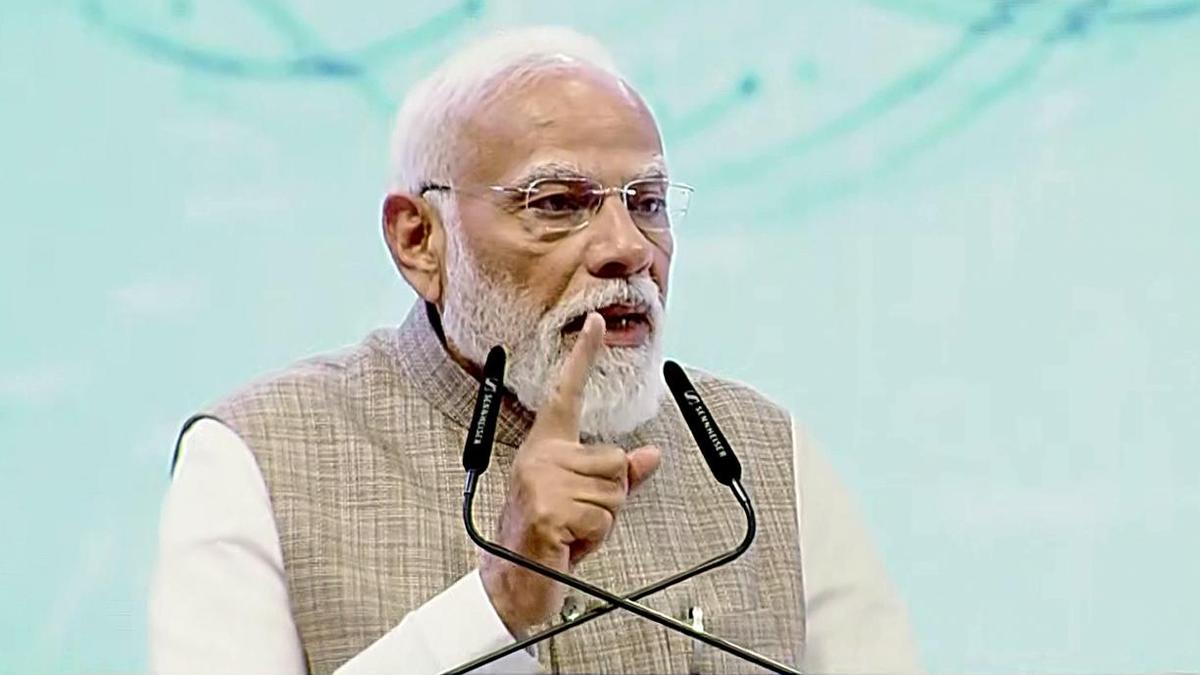
Fri Mar 13 04:53:11 UTC 2026: Headline: PM Modi Addresses Nation Amidst LPG Crisis Sparked by West Asia Conflict
The Story:
On March 12, 2026, Prime Minister Narendra Modi addressed the nation at the NXT Summit in New Delhi, tackling concerns over the LPG situation in India. His address comes amidst rising anxieties fueled by the ongoing conflict in West Asia, which has disrupted global energy supplies. Modi assured citizens that India is committed to safeguarding its energy security and is actively working to mitigate the impact of the crisis. He also cautioned against panic and black-marketing, urging state governments to enhance monitoring and take action against unscrupulous elements.
The Prime Minister emphasized India’s proactive measures in the energy sector, including increased ethanol blending and strategic petroleum reserves, to reduce dependence on imports. He reiterated the government’s commitment to protecting farmers and citizens from global challenges, while also highlighting India’s growing global influence and its role as a center of gravity for the world.
Key Points:
- PM Modi addressed the nation on March 12, 2026, regarding the LPG situation amidst the West Asia conflict.
- He criticized those spreading panic and warned against black-marketing and hoarding.
- India is committed to energy security and is actively working to overcome supply chain obstacles.
- The government has increased ethanol blending to approximately 20% and established strategic petroleum reserves exceeding 50 lakh tonnes.
- LPG connections have more than doubled since 2014, from 14 crore to 33 crore.
- Gas pipeline network has expanded from around 3,500 km in 2014 to over 10,000 km today.
- PM Modi stated that India is recognized as the fastest-growing nation for real-time digital payments.
Critical Analysis:
The Prime Minister’s address is a direct response to the escalating crisis in West Asia and its impact on India’s energy security, particularly concerning LPG supplies. The timing of the address, coinciding with the Rupee hitting a record low of 92.37 against the U.S. dollar and oil prices surging above $100 a barrel, suggests the gravity of the situation. The mention of talks with Tehran highlights the government’s diplomatic efforts to secure energy supplies. The emphasis on domestic achievements, such as increased ethanol blending and expanded LPG infrastructure, is likely aimed at reassuring the public and demonstrating the government’s preparedness in handling the crisis.
Key Takeaways:
- The West Asia conflict is significantly impacting India’s energy security, particularly LPG supplies.
- The government is actively engaged in both diplomatic and domestic efforts to mitigate the crisis.
- Public reassurance and curbing panic are key priorities for the government.
- India’s long-term strategy focuses on reducing dependence on imported fossil fuels through initiatives like ethanol blending and strategic reserves.
- The crisis underscores the interconnectedness of global events and their impact on national economies.
Impact Analysis:
The LPG crisis and the government’s response are likely to have several long-term implications. Increased investment in renewable energy sources, further expansion of strategic petroleum reserves, and diversification of energy suppliers are probable outcomes. The crisis could also accelerate the adoption of alternative fuels and energy-efficient technologies. Furthermore, the government’s handling of the crisis will likely influence public perception and political stability. The emphasis on India’s growing global influence suggests a desire to play a more prominent role in international affairs, particularly in resolving energy security issues.
 First Piper