
Fri Mar 13 01:17:15 UTC 2026: Headline: Iran Attempts to De-escalate Strait of Hormuz Tensions Amidst Regional Conflict
The Story:
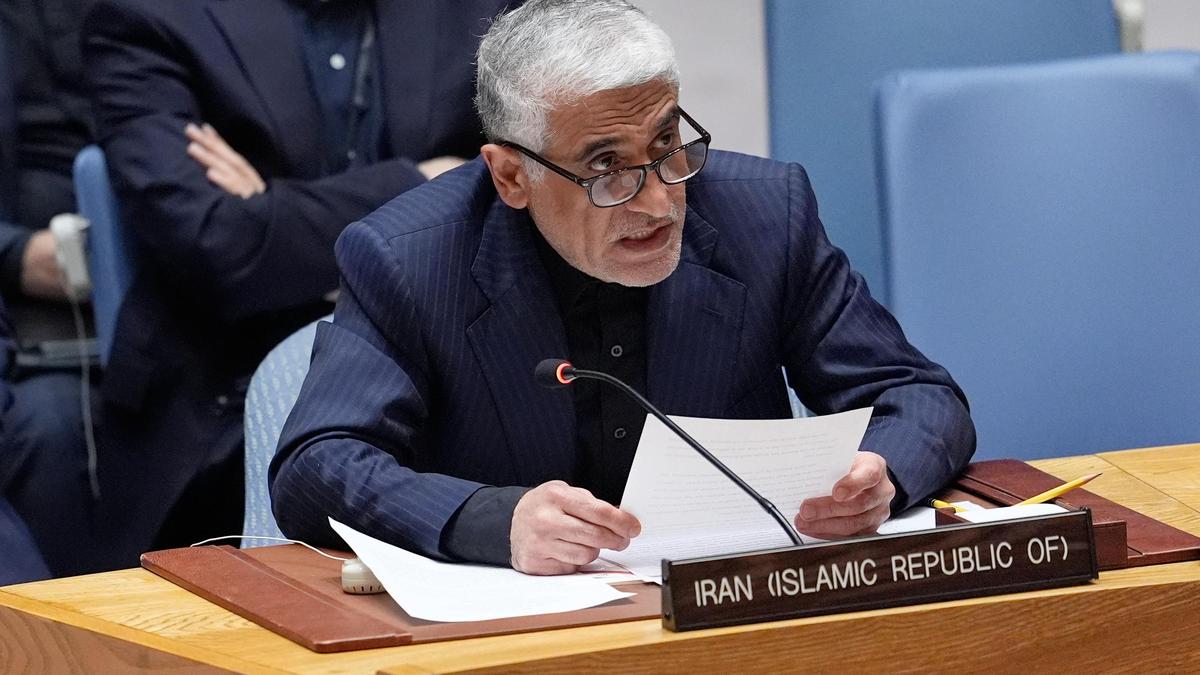
Amidst escalating tensions between Iran, Israel, and the United States, Iran’s U.N. Ambassador Amir Saeid Iravani stated on March 12, 2026, that Iran does not intend to close the Strait of Hormuz. This announcement follows comments from Iran’s new supreme leader, Mojtaba Khamenei, suggesting the potential use of the Strait as leverage. While reaffirming Iran’s commitment to freedom of navigation, Iravani attributed the regional instability to U.S. actions, asserting Iran’s right to secure the waterway. Meanwhile, the U.S. Treasury Secretary suggested a potential U.S. Navy escort for vessels through the Strait, and an Iranian foreign ministry spokesperson emphasized the need for ships to coordinate with the Iranian navy for security.
Key Points:
- Iran’s U.N. Ambassador Amir Saeid Iravani stated Iran will not close the Strait of Hormuz (March 12, 2026).
- This statement contradicts earlier remarks by Supreme Leader Mojtaba Khamenei about using the Strait as leverage.
- Iravani blames U.S. actions for regional instability.
- The U.S. is considering naval escorts for vessels passing through the Strait.
- Iran insists ships coordinate with its navy for safe passage.
- Oil prices surged above $100 a barrel due to concerns over potential disruptions to global energy supplies.
Critical Analysis:
The seemingly contradictory statements between the Iranian Ambassador and Supreme Leader suggest a potential division within the Iranian leadership regarding strategy. While the Supreme Leader’s statement could be interpreted as a hardline stance aimed at exerting pressure, the Ambassador’s statement is an attempt to de-escalate the situation and avoid further international condemnation. The US response of potentially escorting vessels through the strait of Hormuz is a signal to Iran that any disruption of international shipping will be met with an assertive response.
Key Takeaways:
- Iran is attempting to balance a show of strength with a desire to avoid further escalation of the conflict.
- The Strait of Hormuz remains a critical flashpoint in the ongoing tensions between Iran, the U.S., and Israel.
- The global energy market is highly sensitive to developments in the region.
- Conflicting statements from Iranian officials suggest internal strategic debates.
- The United States is posturing to ensure freedom of navigation in the Strait.
Impact Analysis:
The situation in the Strait of Hormuz has the potential for significant long-term impact. Any disruption to shipping could lead to:
- Increased energy prices: A closure or disruption of the Strait would severely impact global oil supplies, leading to skyrocketing prices and economic instability.
- Escalated military conflict: Any direct confrontation between Iranian and U.S. naval forces in the Strait could trigger a wider conflict.
- Geopolitical realignment: The crisis could further solidify alliances and deepen divisions between regional and global powers.
- Increased global instability: The combination of economic disruption and military conflict could have far-reaching consequences for global security and stability.
 First Piper