
Fri Mar 13 03:29:41 UTC 2026: # Karnataka Government Acknowledges Decline in Liquor Sales, Cites Excise Policy, Weather, and Cross-Border Issues
The Story:
The Karnataka government has admitted to a decline in liquor sales within the state, attributing the downturn to a combination of factors. These include the new excise policy in Andhra Pradesh, which has reduced cross-border purchases, as well as unusually heavy rainfall and colder weather conditions in some districts impacting beer consumption. The government is also combating the illegal transportation of liquor from Goa and the potential influx of arrack from Andhra Pradesh and Telangana.
Key Points:
- Excise revenue has reached ₹37,531 crore, falling short of the target by approximately ₹4,000 crore.
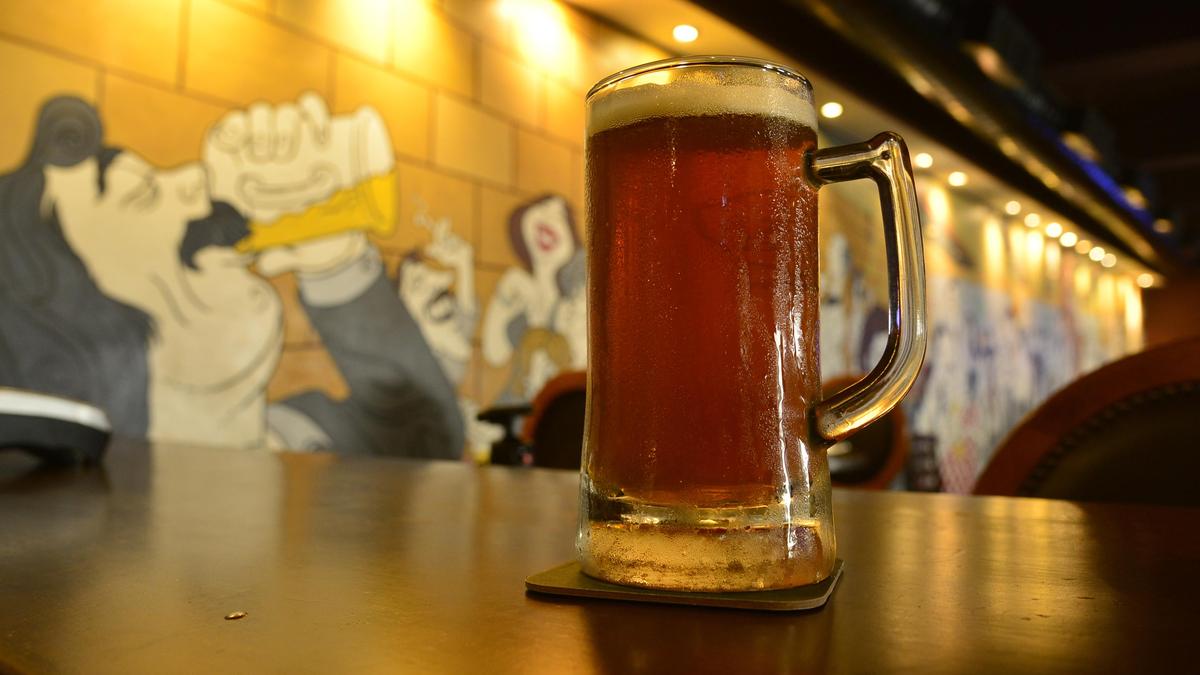
- Beer sales have declined by 14.59% as of January-end in 2025-26, compared to the previous year.
- A Resource Mobilisation Committee has been formed to analyze the tax structure and recommend revenue improvement measures.
- The new excise policy in Andhra Pradesh has impacted sales in border districts like Kolar, Chickballapur, Tumakuru, Chitradurga, Ballari, and Raichur.
- The government has established three permanent excise checkposts in border areas to curb illegal liquor transportation from Goa.
- Public awareness campaigns are being conducted to warn against the dangers of consuming arrack mixed with chloral hydrate (CH) powder.
Critical Analysis:
The decline in liquor sales reveals the interconnectedness of state economies and the impact of policy changes in neighboring regions. Andhra Pradesh’s new excise policy is directly affecting Karnataka’s revenue, highlighting the need for states to consider regional dynamics when formulating their own policies. The government’s response, including the formation of a committee and increased enforcement, suggests a proactive approach to addressing the revenue shortfall. The concern over arrack laced with chloral hydrate indicates a serious public health issue that requires immediate attention and preventive measures. The timing of this announcement, following news of railway efforts to combat liquor sales on trains, suggests a broader government focus on regulating alcohol distribution.
Key Takeaways:
- State excise policies can have significant spillover effects on neighboring states’ economies.
- Weather patterns can have a measurable impact on consumer behavior, affecting specific industries like alcohol sales.
- Cross-border illegal trade in alcohol continues to be a challenge for state governments.
- Public health concerns related to adulterated alcohol require proactive intervention and awareness campaigns.
- The Karnataka government is actively monitoring and responding to the decline in liquor sales through various measures.
 First Piper